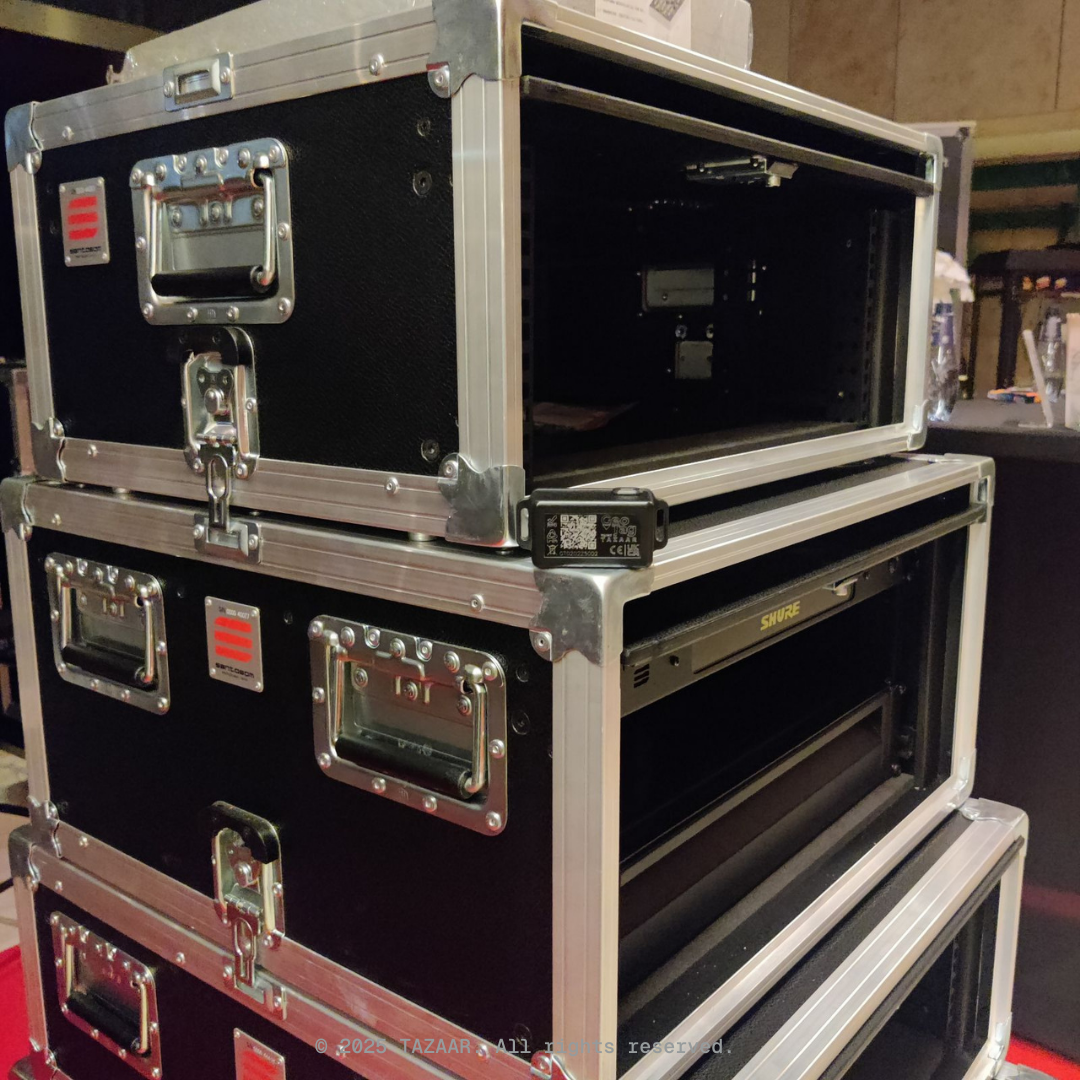

Every year, businesses in the events and production industries reportedly lose tens of thousands of pounds due to stolen, lost or misplaced equipment. Whether it’s expensive lighting rigs, high-end cameras or audio equipment, and when gear goes missing, the impact goes far beyond the price tag.
Equipment theft, delays and misplacement are said to be some of the most disruptive and costly issues. A speaker left behind in a venue or a flight case taken to the wrong location can derail entire event timelines. Beyond the direct financial impact, these losses affect reputations, client confidence and the ability to deliver on time.
“Missing equipment doesn’t just cost money, it costs trust,” says Graham Gosden, Managing Director of APT-GB, a UK-based audio manufacturer that’s integrated asset tracking into its operations. “If key gear doesn’t turn up, the event is at risk. At least with tracking, you can see where the problem is and make a plan.”
In an attempt to solve the problem, many professionals turn to consumer tech such as Apple AirTags. But while these devices are popular for tracking keys and luggage, they reportedly fall short in a professional setting.
Many of these types of consumer devices report location, meaning they're only effective where there’s dense smartphone usage. For gear stored in remote venues or transported across borders, this often leads to dead zones and unreliable updates. Worse still, some companies report spending thousands a year on consumer tracking products, managing multiple accounts with no central oversight.
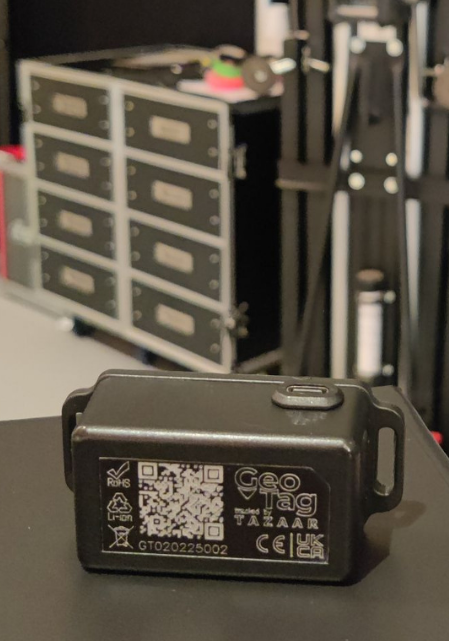
That’s why experienced live events technician Stuart Campbell describes GeoTag, TAZAAR’s new professional-grade tracker, GeoTag, as “an AirTag on steroids.”
“I’ve had kit go missing at events. GeoTag gives us what [consumer trackers] never could: proper visibility. It’s built for our world, not the consumer one,” says Stuart.