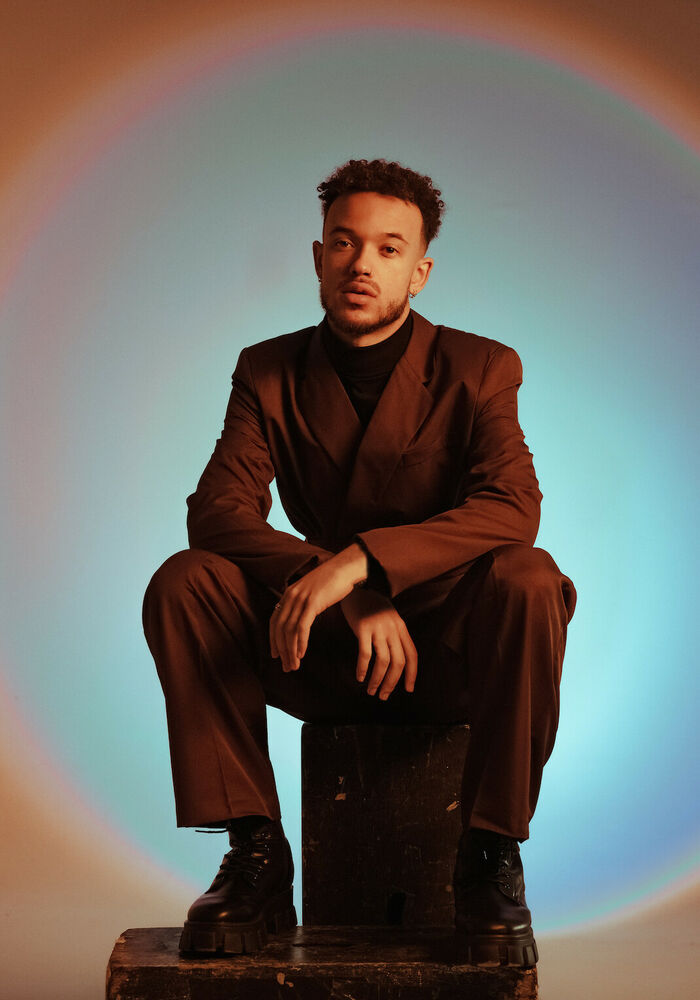
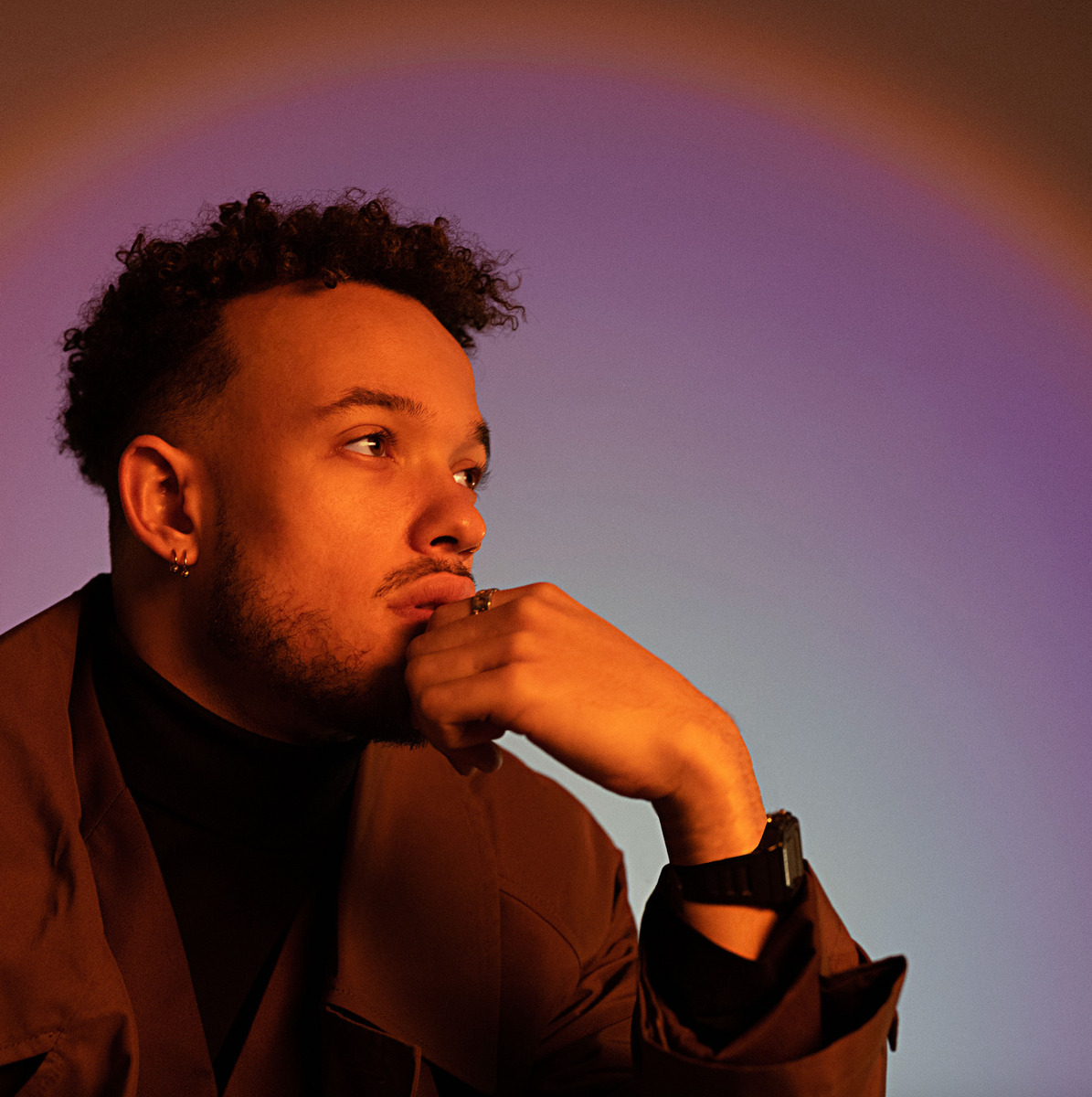
“Thank you for having me,” Darby says very politely and genuinely in an unmistakable Brummie accent. You very quickly get the sense of what an open and positive character he is. “It’s nice to be back in Birmingham after being in North America for a bit. I like the fact it never changes, it’s just always Birmingham!”
He vividly remembers his first singing experience: “We were on holiday in Tenerife and my sister was reading out the karaoke lyrics to me, and I was just singing and singing. After that, I just never stopped! Music’s always been a huge part of the weaving of my family, and I was entranced by it from a young age. When I was eight I started putting videos of me singing on YouTube, which eventually got spotted by a producer down in London, and he was the one who asked if I wanted to support Flo Rida.”
It is difficult to overstate just how important and influential the Windrush immigration has been and continues to be for UK music, an industry which brings in around four billion pounds per year to the economy. This year saw the 75th anniversary of the HMT Empire Windrush arriving in Essex in 1948, with 492 Caribbean passengers to fill much-needed post-war jobs.
As the sounds of Jamaica gradually extended beyond these new communities, it wouldn’t be long before the UK’s biggest acts like Madness, The Specials, UB40, and The Clash utilised the sounds of ska and reggae to enormous international success.
That influence is still heard in recent years: the worldwide explosion of EDM music began in the underground clubs of Croydon and Bristol, with Jamaican dub music being deeply important for the creation of dubstep, drum and bass and grime. And, of course, Caribbean roots can be heard in the modern pop-soul sound of Darby himself.
“I remember the first time I went to Jamaica when I was 16,” Darby says. “I went to a studio called Big Yard, which is where the BBC does Radio 1Xtra Jamaica. It was the first time I’d been in a proper studio, so I was just in awe of everything. I think it belonged to Shaggy at one point. Some of my team are Jamaican, and they told me if I could record there, I could record at any studio in the world — you have to be on your top game there.
"At one point I saw my manager talking to this guy dressed all in white with dreadlocks, and I thought I recognised him — then my manager walked over and asked if I wanted to take a picture with him as it turned out he was Beenie Man. It was just too crazy.”