Subscribe
Headliners

Toma Otowa on being drawn to the US by ‘E.T.’ and scoring Ghost of Yōtei

How does a young lad living in the remote, mountainous region of Aizu, Japan, end up yearning for a film composing career in Hollywood? By seeing E.T. at eight years old, that’s how. And, after a tricky period of moving between Japan and the US, struggling to find scoring work, Toma Otowa decided to settle in Los Angeles and start from scratch. After this time, which he calls his ‘dark ages’, he found work as an assistant to veteran film composer Mark Mothersbaugh, and their first project together would be the Marvel smash hit Thor: Ragnarok. After assisting on more films, including The Lego Movie 2 and Hotel Transylvania 3, Otawa is stepping out solo as the composer on the new, hotly anticipated PlayStation game, Ghost of Yōtei.

“My mum loved American Broadway musicals,” Otowa says, in his Japanese accent that has been embellished with an American twist. “So by the time I was able to walk, there were vinyl soundtrack records lying around, like The Sound of Music, My Fair Lady, and all the other American musical movies. I think she brainwashed me, since my birth, to get into the music scene. And when I was in third grade, my mum took me to a movie theatre, and we watched E.T. That movie really did something to me. I was so moved, I was so blown away. I was possessed by the whole movie, and how quirky E.T looked, the soundtrack. I really believe that was day one of me thinking, ‘Okay, I have to go to Hollywood and do this work.’”

Headliner asks about the fact that Japan has its own, very highly-regarded film industry. But Otowa explains that there was something about the scale of productions in North America, and the accompanying orchestral scores rising to meet those ambitions that drew him across the Pacific.

“I realised that the scale of the music production in the US in Hollywood was way bigger,” he says. “I was just really drawn to that big orchestral sound. It just surrounds you. I was just really overwhelmed and blown away by what an orchestra can sound like when it’s an 80-piece to 100-piece orchestra with a choir on top. 

"I wanted to write music on that scale. Being so ignorant and being just a pure-hearted kid back then, I thought, ‘Well, then I have to go to America to do that,’ not knowing anything that there are things called politics. Of course, there are certain things you have to manoeuvre to get there. It took me years to learn that, to learn how to speak English first of all, and how to talk to people and work with a team, the business side of things.”
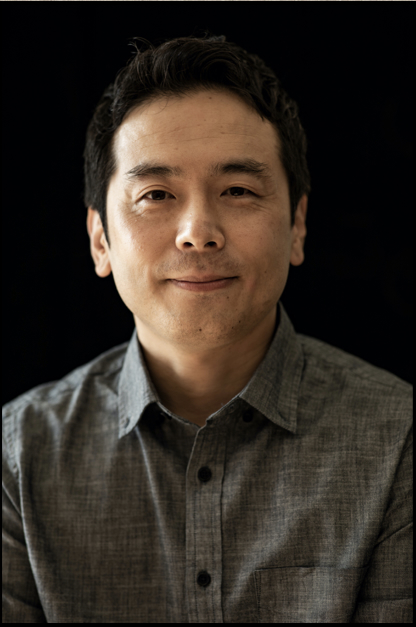
We watched E.T. That movie really did something to me. I was so moved, I was so blown away. I was possessed by the whole movie.

After a few failed attempts at settling in the US and ‘making it’ as a composer, travelling back and forth between Japan, a very important moment for Otowa and his career was meeting Mark Mothersbaugh. Originally known best as the co-founder and lead vocalist of the cult band Devo, he has also since become one of Hollywood’s most established composers. 

After 13 years as the man behind the music of Nickolodeon’s Rugrats, his film credits range from Happy Gilmore to The Lego Movie and Wes Anderson’s The Life Aquatic. When the pair met, the project in question could not have been more significant: Thor: Ragnarok. The third film in the MCU’s mega trilogy about one of the most key characters in this particular extended universe of superheroes, it certainly wasn’t a bad first assistant credit to notch up.

Looking back, Otowa says, “He heard my demos, and he said, ‘Would you like to work with me?’ At that point, I was so broken, mentally, emotionally, and financially. I had to start from scratch. Back then, I did not even have an apartment because I had just come back from Asia. I asked if he had a room that I could work in? Because I didn’t have anything. He actually provided me with a studio room in his building, and really helped me get my feet back on the ground and focus on writing music. 

"I was going over this whole experience of what it is like to be working in Hollywood, witnessing all those meetings with the directors, the studio, and the whole recording scene. We went to Abbey Road a couple of times, and we recorded in Air; it was a really amazing experience.

“There were times when I was overly stressed. I thought, ‘Oh my god, the directors don’t like this cue. What do we do?’ But I saw Mark take care of that chaotic, panicky situation. With his sense of humour, he mellowed the whole vibe in the meeting rooms. 

"Then we just revised the music, and they were happy. I learned that this is as important as knowing how to write music, because if you don’t know how to talk to people, or how to deal with the elephant in the room, it could really go south. I learned that a lot from Mark; how his sense of humour just takes everybody to a different place.”

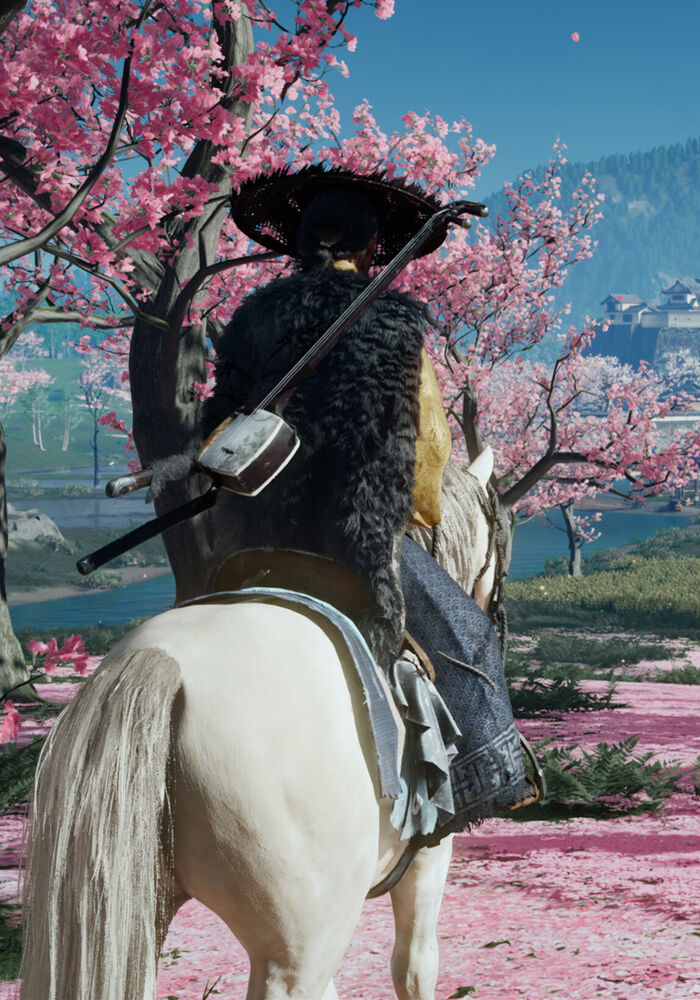
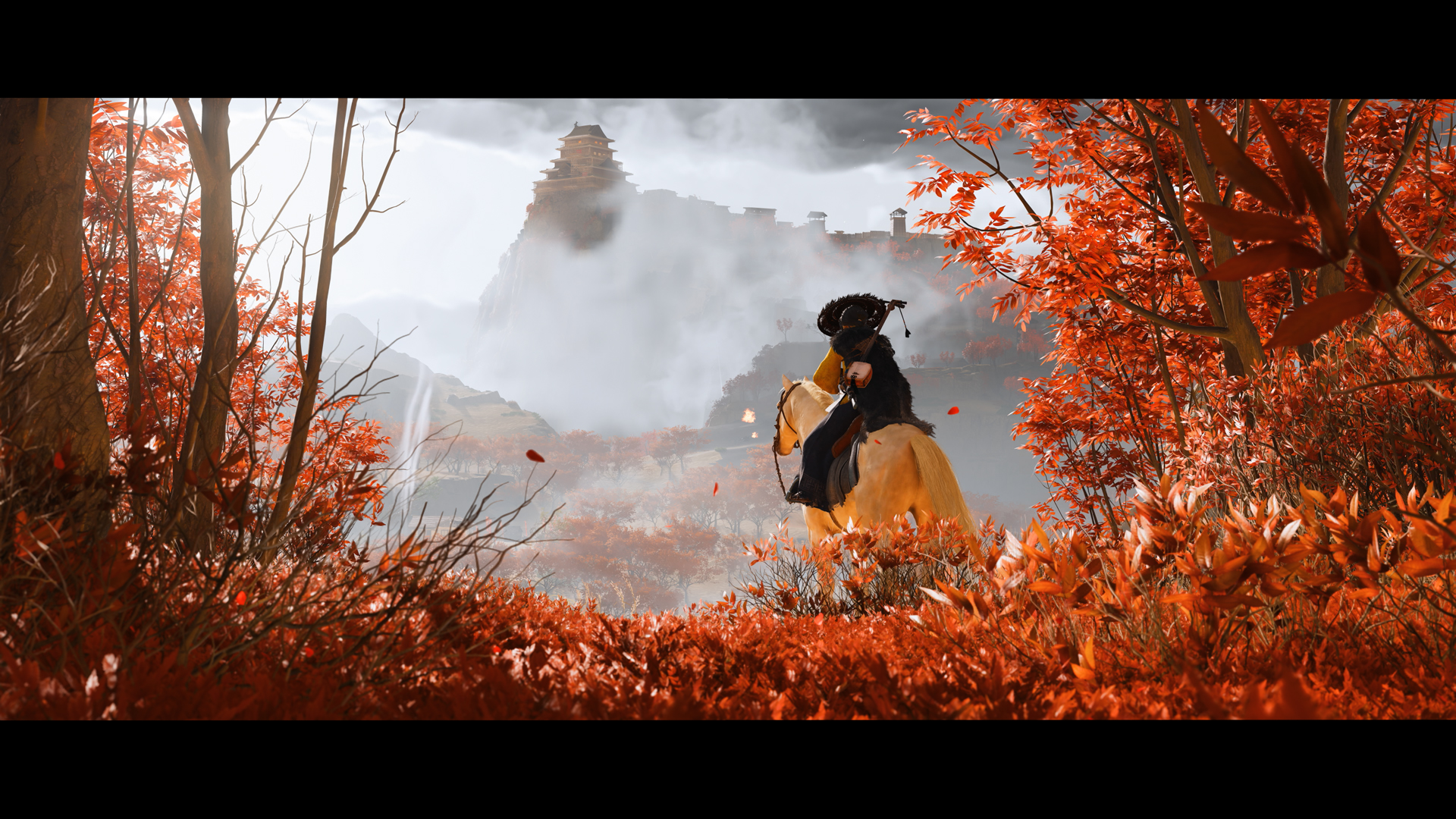
Otowa recently completed one of the biggest projects of his career, stepping out as a solo composer for the landmark PlayStation game, Ghost of Yõtei. For any gamers out there, it perhaps goes without saying that there are quite a few video games that are beautiful on the eye, but this sequel game can comfortably be added to that list. 

"Set in 1600s rural Japan, and set 300 years after the acclaimed Ghost of Tsushima, the story follows the mysterious and haunted mercenary Atsu as she quests for revenge. Considering this is a game that combines storytelling and visual elements of Samurai and Wild West legends, surely Otawa, a Japanese composer who emigrated to North America, was born to score this game?

Japanese people suppress their emotions; even when they want to cry, they express it very subtly. That is what I did with Atsu’s theme.

“I got a call and was asked if I wanted to try writing some demos for this project,” he remembers. “My first demos were the standard epic Hollywood size; if Hollywood were to express Japan, this is how it would sound — a big orchestral score with some Japanese instruments. But it wasn’t right. When I did my third demo, I wrote this very lonely folk tune, which later became Atsu’s theme. 

"That was the demo that got me this project, because they were looking for a main theme to sound like a ‘70s Japanese folk song style, like Hako Yamasaki. So I finally got into the mode of what that time in Japan felt like. I was born in 1974, so I remember a bit of the vibe of the ‘70s. I don’t remember those exact folk songs, but I remember the air and the feel of it. In the winter, it feels lonely. Japanese people suppress their emotions; even when they want to cry, they express it very subtly. That is what I did with Atsu’s theme. She does not express her tenderness or emotions too much; she holds it in to keep as part of her strength for revenge.”

Regarding blending Japanese and Wild West music, Otowa gives an interesting culinary analogy: “After that, we started exploring the instrumental version. What does ‘feudal Japan meets the Wild West’ mean? What would be the right amount of the mixture? Because with the spaghetti western, nobody puts soy sauce on spaghetti. [laughs] What we ended up doing was having these solo Japanese instruments playing, and the orchestra is accompanying them most of the time.”

A vital part of this process of Otowa was working with the right digital sample libraries of both the traditional Japanese instrumentation and the orchestra, something he has fine-tuned throughout his career.

“I have tried so many different string samples,” he says. “I bought just about every so-called really good string sample and always end up going back to Cinematic Scoring Strings. I think that sample library came out over 10 years ago, but it’s still super intuitive and sounds really great. For the Japanese instruments, I used a library called Sonica Instruments. It has all the amazing Japanese solo instruments, from koto, shakuhachi, shamisen, and other instruments. I ran into that website and knew I had to use it.

“I use Logic for my DAW and Cinematic Rooms as reverb. I have experimented with a lot of different samples and plugins but, but nowadays, I like to keep it simple and not overcomplicate it with so many plugins. I think one of the reasons why is because I am so spoiled to have amazing engineers who can do all those treatments later. 

"And, a very important thing is that we recorded everything live and replaced my mockup with live instruments, which sounds much better and more convincing. All I had to worry about in this particular project was to make it sound good enough to tell the story through the music.”

As the film industry is rife with non-disclosure agreements, Otowa dare not reveal what he’s working on next, but it will be fascinating to find out what that is after his brilliant hybrid score over on the gaming side of the spectrum. If you are partial to whittling away the hours in breathtaking 3D Japanese scenery and Samurai-style action, Ghost of Yōtei might be the game for you. But if you’re not actively gaming, his score is available to stream now. Here’s to mixing two huge musical dynasties, and perhaps even splashing a little bit of soy sauce on a spaghetti dish.

Game image credits: Ghost of Yōtei © 2025 Sony Interactive Entertainment LLC. Developed by Sucker Punch Productions LLC. Ghost of Yōtei is a trademark of Sony Interactive Entertainment LLC.