
Subscribe
Broadcast

From U.S. presidents to 9/11: How Thom Shafer records high-stakes stories

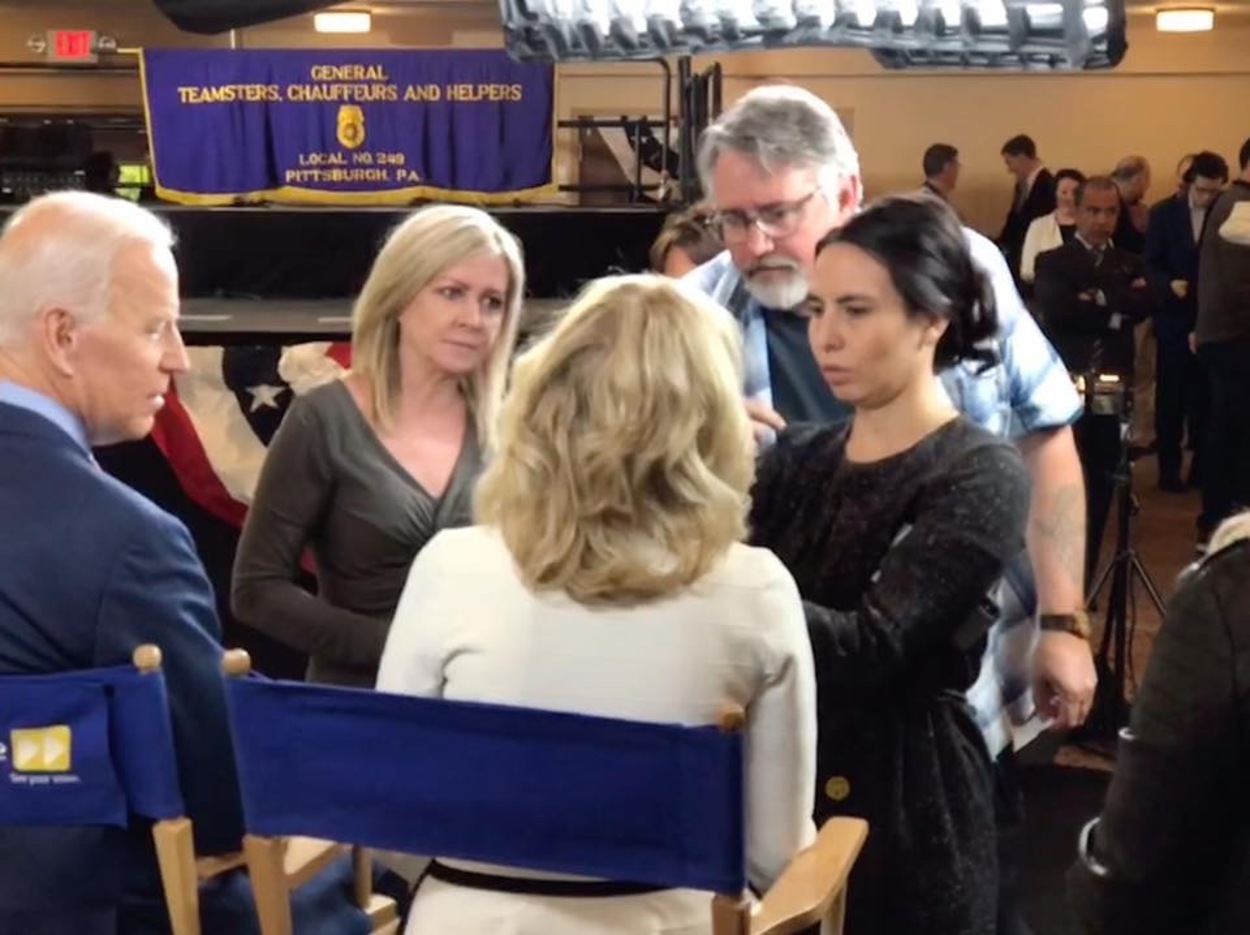
For veteran production sound mixer Thom Shafer, a career spanning nearly four decades has often meant being in the right place at the right time – frequently when history itself is unfolding. From interviewing the last seven U.S. Presidents to reporting from the front lines of Northern Ireland and documenting the aftermath of 9/11, Shafer has worked in some of the world’s most unpredictable and high-stakes environments. Headliner discovers how he captures those high-stakes moments with clarity.

For more than 34 years, Shafer has relied on Lectrosonics' wireless systems, building a toolkit designed to deliver dependable performance in even the most demanding situations. Today, his kit includes DSR4 Four Channel Digital Slot Receivers, SRC Dual Channel Slot Mount Receivers, and SRB Camera Slot UHF Receivers, alongside SMWB and SMDWB Single and Dual Battery Miniature Wideband Transmitters and SMa Super Miniature Belt-Pack Transmitters – equipment he trusts to ensure every critical word is heard.

Shafer’s journey into audio began with a literal epiphany while serving in the Navy. "I was on a submarine sitting in the torpedo room thinking about my options," he recalls. "I enjoyed being a musician, but I didn’t enjoy the lifestyle. Inspired by Alan Parsons, I realised I wanted to be on the other side of the glass as an engineer.”
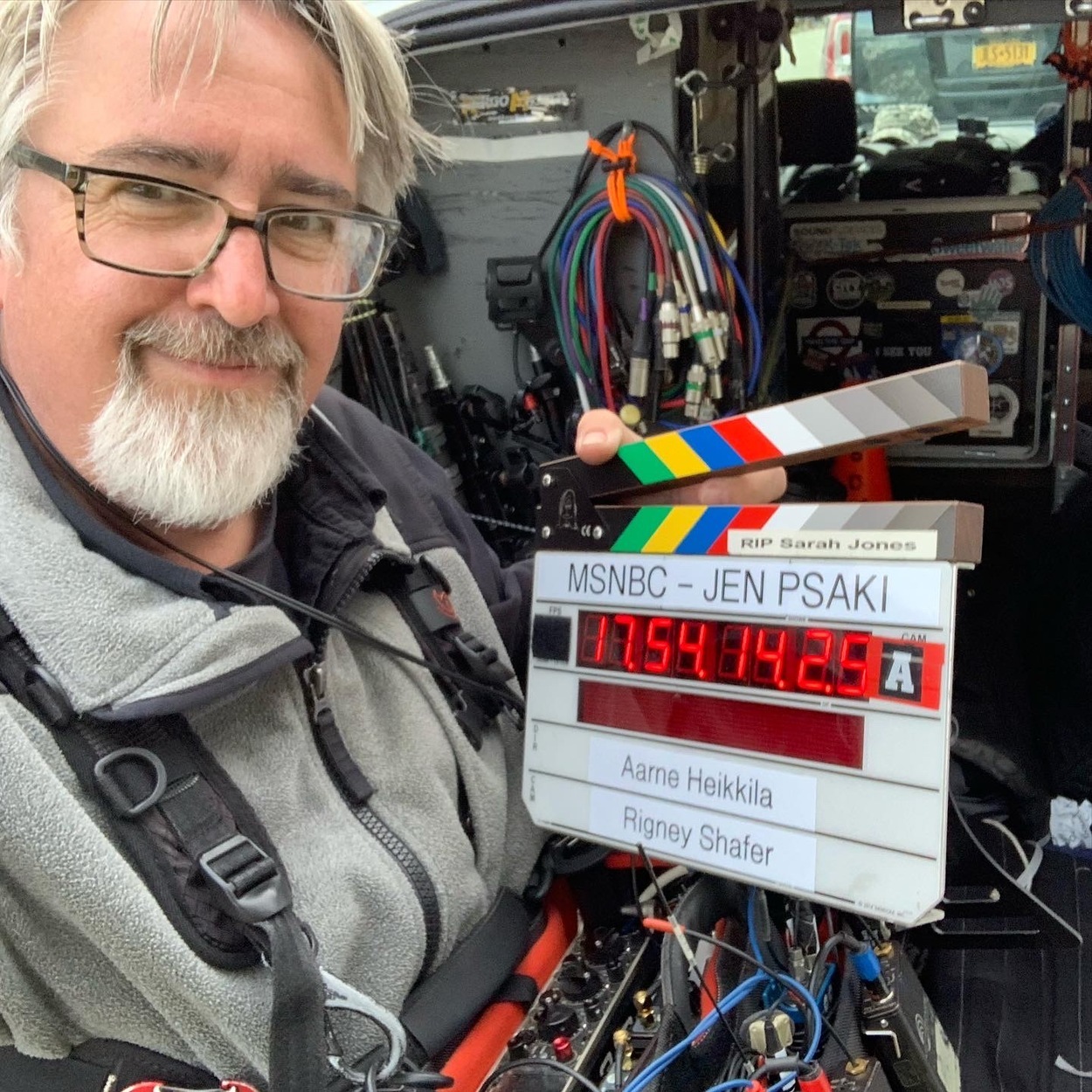
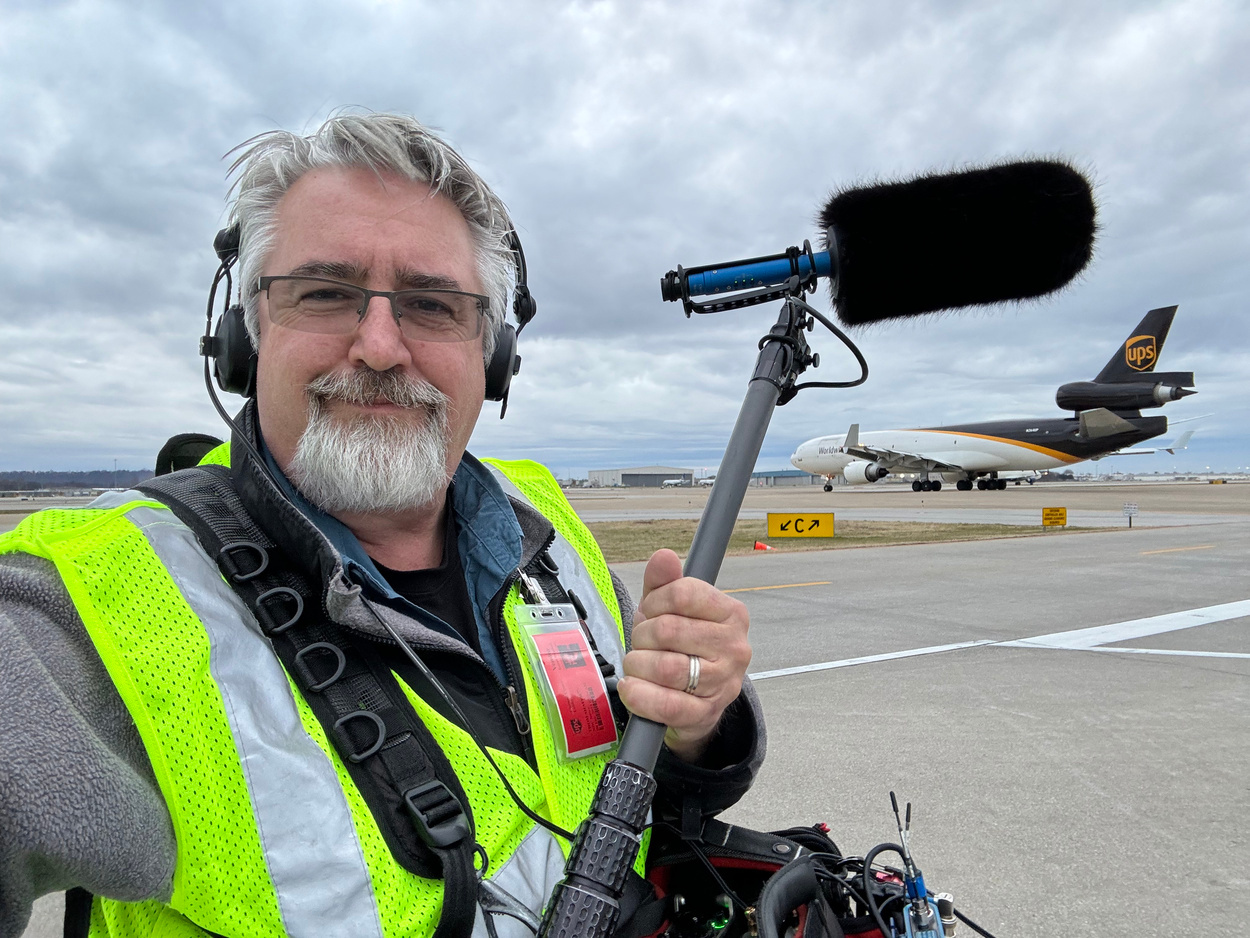
After seeing a short seminar on media production in 1987, he borrowed three thousand dollars to buy his first gear and never looked back. His introduction to Lectrosonics came shortly after with the 185 series.

"It was the most liberating thing ever to not have to worry about frequencies and to know that I could go anywhere in the country and they would work," he shares. 

Today, his comprehensive kit is a blend of legacy and cutting-edge digital technology, including the aforementioned units, plus IFBT4 Frequency Agile Compact IFB transmitters, LMa and HMa Digital Hybrid Wireless Belt Pack and Plug-On UHF Transmitters, and SNA600 and ALP 620 Antennas.

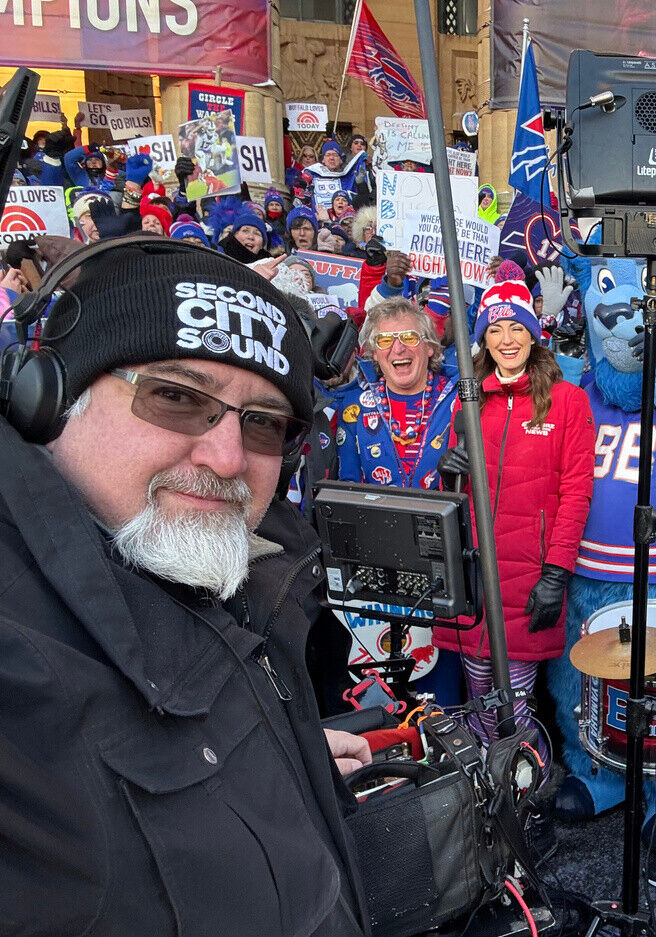
Shafer’s work is famously varied, ranging from network news like Dateline and 20/20 to major sporting events like Monday Night Football. 

During a recent wildcard game between the Steelers and Texans, he deployed a complex routed IFB system using IFBT4s and SMWBs in IFB mode to allow multiple producers to communicate with anchors individually without interruption. "I just love doing stuff like that," he grins. "Mixing a live show up; it’s a lot of fun.”

I was on a submarine sitting in the torpedo room thinking about my options. I realised I wanted to be an engineer.

But more than fun, Shafer’s career has been known to place him in situations where technical limitations collide with high drama. While filming an unreleased Wings series for the Discovery Channel in the ‘90s, Shafer found himself on the flight deck of the USS America, 20 feet away from F-14s at full thrust.

"We were actually the first to document the B1 bomber, but technology was not like it is today," Shafer explains. "I actually had to take a Lectrosonics 190 and put the mic in the ear of the jet pilot’s helmet because there were no extra plugs to get the dialogue."

In another instance, while capturing a segment for Real Sports with Bryant Gumbel – investigating the slaughtering of horses who didn’t perform on the racetrack – Shafer’s team faced immediate danger. "We were shooting in the stables when some, shall we say, unhappy ‘gangster’ types surrounded us demanding our tape," he recalls. Thinking fast, the crew swapped the footage for a blank tape. "We proceeded to record the confrontation via the correspondent's Lectrosonics wire, and it made the cut."

Beyond the adrenaline, Shafer relies on his gear to capture the gravity of historical moments. He was on the ground in New York covering the aftermath of 9/11 for ABC’s Nightline, joining stockbrokers on the ferry into lower Manhattan when Wall Street reopened.

"There were guys in suits with attaché cases and gas masks on going to work," he describes. "The smell is really difficult to describe; a combination of electrical and whatever was in those buildings, all merged together." 

Through it all, his Lectrosonics gear performed without issue, allowing him to focus on the human story rather than technical troubleshooting.

Lectrosonics is so much part of my everyday life that I don't even have to think about it.

The durability of the gear has been proven in the most extreme conditions Shafer has encountered, including hurricanes and even working 1,765 feet underground in salt mines beneath Lake Erie.

"I’m hard on equipment; I don’t baby it," Shafer admits. "I’ve had a plug-on transmitter in a hurricane with just a baggie around it, and it never failed. In 34 years of using Lectrosonics, I’ve only sent something in for repair twice, and that first time was 15 years in. It all just works.”

For Shafer, the brand represents a home base that allows him to focus on the story rather than the tech. "The greatest tools are the ones that just get out of the way," he concludes. "No matter what environment I am filming in, with Lectrosonics I know it will work, and I’ll capture the best quality audio possible. Lectrosonics is so much a part of my everyday life that I don't even have to think about it.”