Subscribe
Live

The Business of showbiz: What executives can learn from live event crews

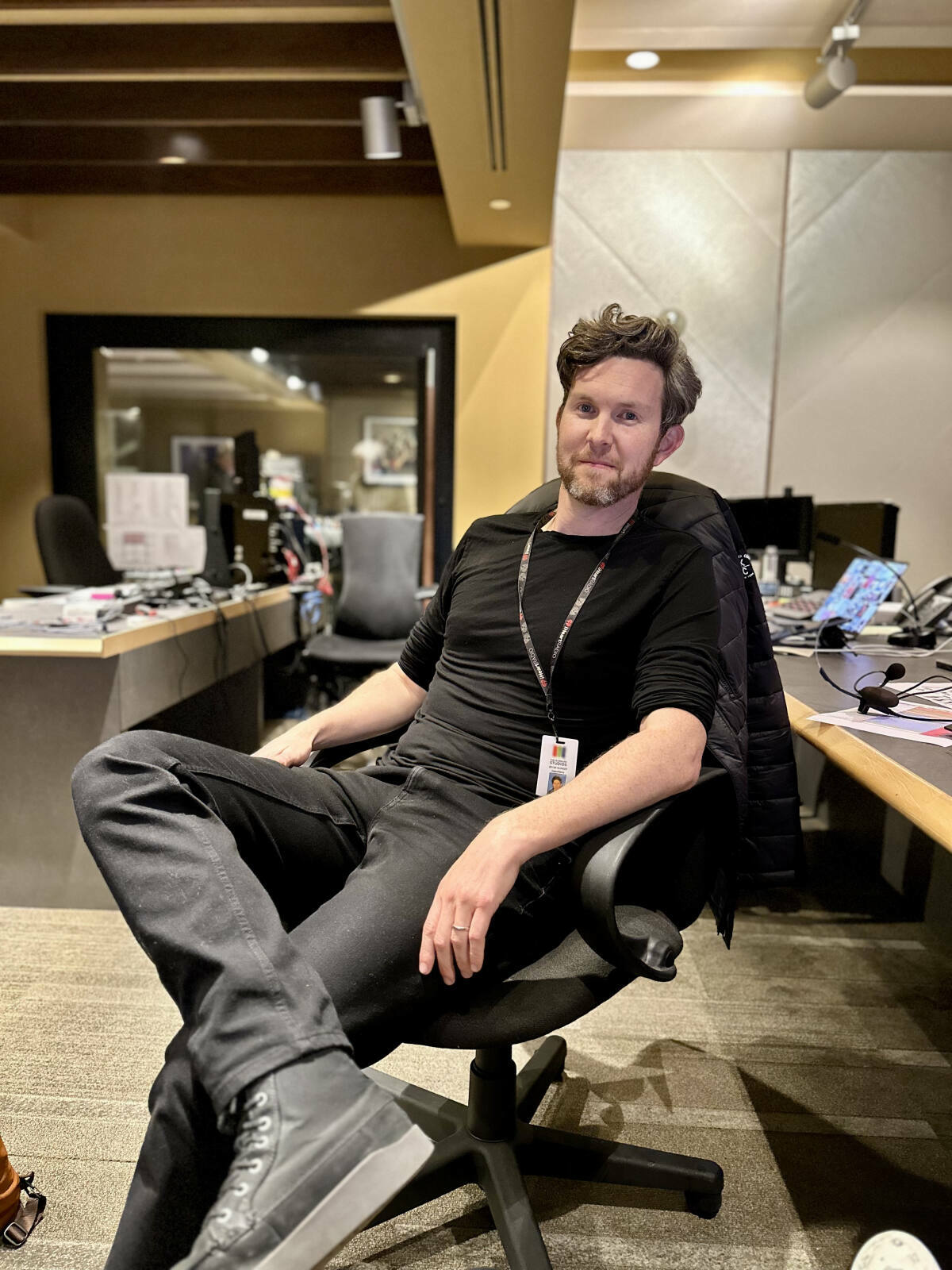
In his latest Headliner column, pro audio executive Mike Dias catches up with Bryan Olinger, an experienced director and senior-level producer with 20 years of working in the broadcast and content creation industry. He is a dynamic videographer with a professional skillset in visual storytelling, video editing, and video production logistics. Always up to date with the latest technology and video trends, Olinger specialises in live streaming solutions and multi-cam production for the concerts and live events space. Here, he shares the biggest lessons from live entertainment and why meticulous planning, clear communication, collaborative leadership, and creative risk management can significantly enhance corporate team performance and executive effectiveness under pressure.

I’ve spent the last 20 years working at the intersection of pro audio and consumer electronics. I watched global headphone sales explode while I was helping the world’s most influential artists make their in-ear monitor choices. 

And then I pivoted over to microphone sales, finding myself at the epicentre of the creator economy, where everyone and their grandma now has a podcasting setup that rivals most studio gear. I split my time working with corporate execs and sales teams on one side, and tour managers, production crews, and live engineers on the other, ensuring each had exactly what they needed to perform at their highest level. 

And throughout this entire experience, I kept having the same business revelations: tours and productions run circles around most corporations and roadies work harder and smarter than most MBA graduates.

Sometimes those big swings turn into big rewards, but those same big swings can be the dominos that topple all the others.

At first, this blew my mind because it was so contrary to everything that we’re taught in school. How could a bunch of grizzled roadies consistently outperform freshly minted MBAs? How could long hair, old jeans, and faded tattoos beat khakis and polos? This is definitely NOT the reality that my mum wanted to hear about. 

But time after time, it proved true. And the more that I watched and embraced it, the better I became at my own job. My productivity and effectiveness soared each time that I’d absorb or adopt lessons from the road. Once I uncovered this reality, I became obsessed. I became fascinated thinking about “What Entertainers Could Teach Executives” and it became my life’s mission to share what I’ve learned. 

In my own way, everything that I do — all of my talks and workshops and writings — is my way of connecting the business world to show business. And to truly highlight this and to showcase the best example that I could think of to kick off this new column series, I spoke with Bryan Olinger, ​​the Senior Director of the iHeartRadio Theater in Los Angeles. 

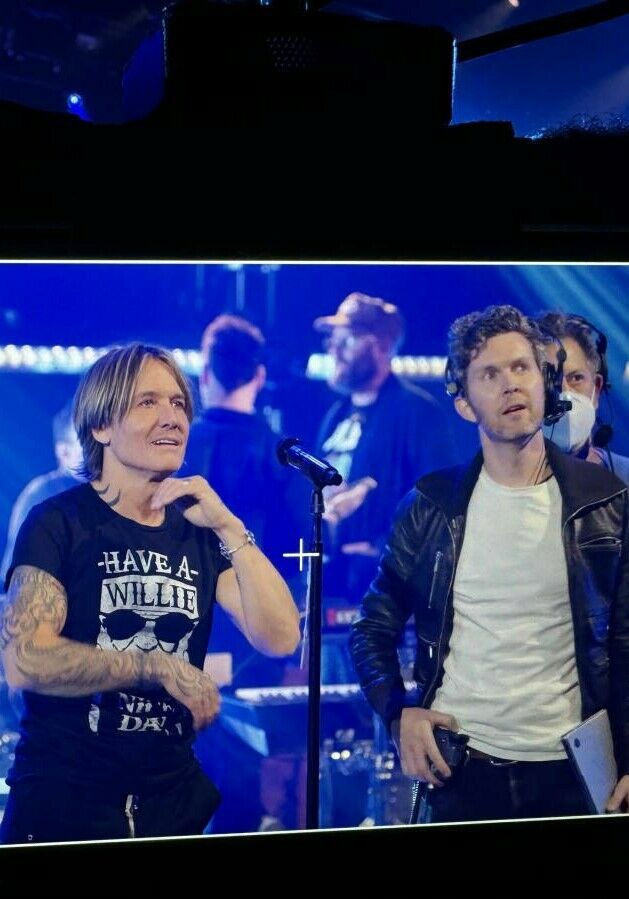
Bryan has captured amazing performances from artists from every genre — from Coldplay and The Black Keys to Blake Shelton and Alicia Keys. And with his expertise in visual storytelling and production logistics, he’s the perfect person to really solidify everything that I’m talking about by sharing his business insights on leadership, teamwork and communication. Listening to Bryan talk is like getting a backstage pass to the best leadership training no MBA ever taught.

ON DELIVERING THE DESIRED OUTCOME

So, for me to be successful — to really capture the essence of a performance — I need to understand what the artist wants to do technically and how they need to be represented brand-wise and image-wise. But I also need to understand what they are creatively trying to say to their fans and to their general audience. 

This is what I focus on and how I start every production meeting. It always starts with the how and the why. From there, we can quickly get into three territories: creative, technical, and budget. Then we play this balancing act where all of these things need to take priority, but they all have to work with each other, like every business project.

ON STORYTELLING

When we talk about a story, we are really talking about what are all the elements we need to account for so that we're not just capturing and surveilling the performance. Storytelling goes beyond simply recording. 

Storytelling is communicating the energy. If we do our jobs right, you watch a concert and it elicits something in you. You get immersed. The same way a really beautifully directed scene in a movie can bring an emotional response, we hope to capture some of that ethos with our live capture production. 

So storytelling for us is identifying those energies, "is this a sweet, slow, dramatically lit ballad-based performance that we really want to move people on a lower level? Or is this a flashing fire, red focus on electric guitars and just the most screaming close-up of vocals so we capture that raw rock and roll? The stories go on and on.

Talk to anyone in live events, and they’ll tell you the best shoots come from great planning and communication.

ON PLANNING

I don't think we ever talk enough about the planning process, the rehearsing, the planning, the scripting. It always starts with scheduling. How much time do we have to put together the stage? What stage space are we walking into from the day before? 

Then, how much time do we have to rehearse? Are these new songs? Are these classics? Is it a mix? We build it out from there. Then it comes down to appropriating the right amount of time for each part of the day for this large crew to do their job correctly. 

In these environments, there is rarely such a thing as “additional takes”, so your success will be developed in the prep. Talk to anyone in live events, and they’ll tell you the best shoots come from great planning and communication.

ON SCHEDULING & COMMUNICATION

In my world, once we've all had our meetings, we understand and have taken into account of all the elements that we will need to bring to make an entire cohesive show. Since I film live events, once the machine's on, it's running until you're at minute 60 and you're clear. There is no stop down and we don't fall off the storyline. 

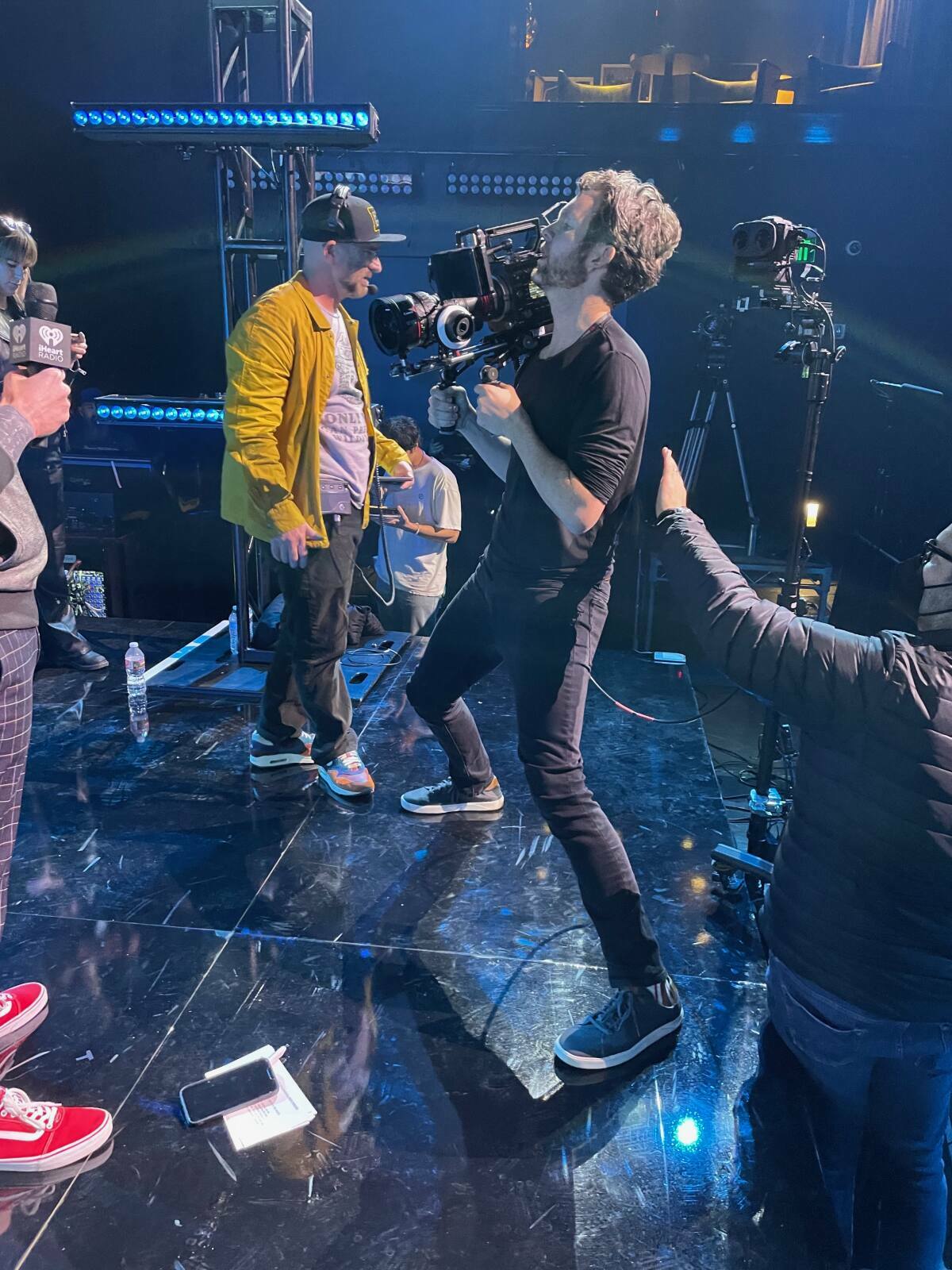
We can’t miss anything or be out of sync. So, how do you do that? How do you get 65 people all executing their jobs at the right time, staying in sync with each other, no second takes, no take twos, no missing your marks? Well, it's communication. It's scheduling and it's communication. Everybody has to collaborate and agree upon a master schedule, meaning that we are essentially building a master run of the show, something that just says, "Item number 34 starts at 7:27 PM for 30 seconds. 

We need to see cameras pointed at this person at stage left because they're speaking on this mic." It's that granular. Then once you're in the show, everybody's just following this roadmap that in a perfect world we've all properly rehearsed, and we stay in constant communication, ensuring that everything is executed as planned and that everyone is delivering on script and on cue.

tours and productions run circles around most corporations and roadies work harder and smarter than most MBA graduates. Mike Dias

ON LEADING A TEAM

There has to be a director. There has to be an appointed person who ultimately says, "This is how it's going to go." But it’s nuanced, it's not just a black and white thing. The thing I'm tasked with with every show is playing that collaborative spectrum of when to yield and recognise a good collaborative suggestion versus going, "Hey, that's a great way to approach this, but in order for all these other pieces that are outside of your department to fit, we're going to do it this way.” 

Directing and leadership is more of a conductor role. A good director, in my opinion, has a working knowledge of every department. I am not going to be able to mix a 64-input show down the two channels and sound amazing on your laptop speakers, but I can at least know that a mixer has this big board in front of them and a lot of plugins and a lot of things, and I need to be like, "Hey, I hear something in my experience that sounds louder than it should. Can you find it and address it?" 

The same point with videos. I'm not going to have the bandwidth to necessarily be making every lighting decision, but I do need to go, "Hey, lighting director for this particular scene, it does need to have reds. Can we use your tools to make sure that red comes from this location on the stage?" What I'm getting at is that leadership is a collaboration that is fine-tuned by experience. And it is led by adhering to the overarching vision.

ON WORKING WITH OTHERS

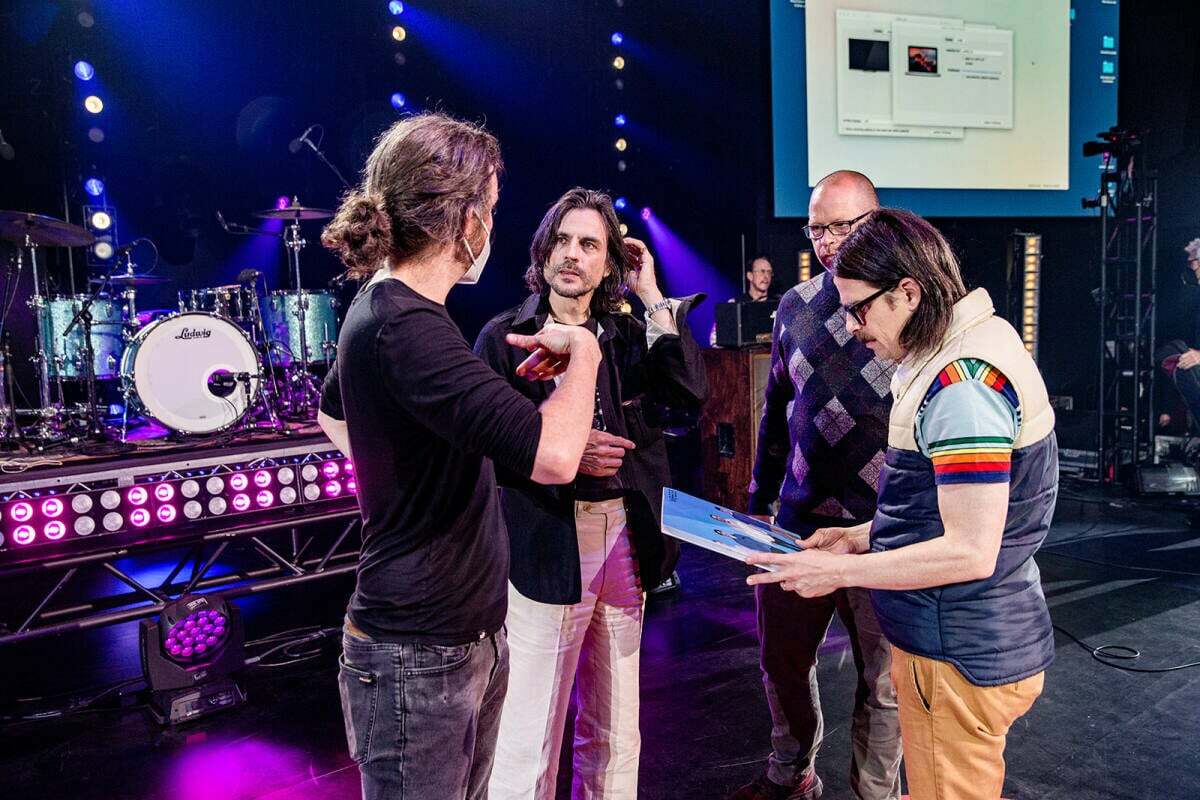
Whenever we film, it’s not just my team that I’m working with. I need to interface with the talents' team, with their management, and inevitably we have overlapping and sometimes conflicting needs and wants. That’s the nature of all work and collaborations. 

But at the end of the day, I always come back to this general rhetoric. We all want the same thing. We all want a show that's successful. We all want to look the right way, we all want to be lit the right way. Everybody wants to use the stage the right way. 

Everybody wants to sound their best. And when creative decisions must be made to help achieve the vision and put the cogs in all the right places so the machine runs as efficiently as possible, then it's imperative to have a very transparent dialogue. 

I feel like transparency is really the most effective tool when we come to this and collaborating with labels and artists. At the end of the day, I always go back to we all want the same thing. And when the decisions aren’t based around creative choices, then it becomes very factual. Technical limitations are technical limitations. They don't have opinions. They're on and off switches, they're electrical signals, and they don't care. 

Some things are simply not compatible with your production plan, and then you’re facing less of a “can we / can’t we” decision, and “is this want worth uprooting an otherwise well-laid-out plan.” Sometimes those big swings turn into big rewards, but those same big swings can be the dominoes that topple all the others. Measuring this risk /reward scenario is probably the most critical lesson and realisation when it comes to business development.

THE BIGGEST LESSON

Bryan’s takeaways aren’t isolated insights. They’re part of a larger framework I’ve been developing to help teams perform better under pressure. In this new ongoing series, I’ll show how lessons from behind the scenes in entertainment can help every executive lead with more clarity, creativity, and impact. Stay tuned for next time…

Mike Dias writes and speaks about Why Nobody Likes Networking and What Entertainers Can Teach Executives. He is one of the few global leaders in Trade Show Networking and he helps companies maximise their trade show spend by ensuring that their teams are prepared, ready, and able to create and close opportunities. This column will be an ongoing monthly feature because Mike loves talking shop and is honoured to give back to the community. If this article was helpful and useful in any way, please reach out anytime at Mike Dias Speaks and let Mike know about what you want to hear more about next time.