
Subscribe
Music News

Sanremo to Spotify: How Warner Music Italy is closing the gap with the majors

Marking its 50th anniversary with a bold new chapter, Warner Music Italy is shaking up its structure and doubling down on frontline creativity. The company recently unveiled two brand-new labels – Warner Records Italy and Atlantic Records Italy – a strategic move designed to future-proof the business in an industry that never stops shifting.

The refreshed setup gives WM Italy a pair of highly focused, fast-moving teams, each empowered to nurture homegrown stars and supercharge breakthrough talent. It’s a model built for speed, precision and personalisation – one that positions the company to spot opportunities early and turn them into success stories for both its iconic artists and the next wave of Italian acts.

Headliner visited Warner Italy’s impressive Milan HQ (all open-plan glass offices, natural light, two high-end recording studios, and walls which are adorned with Platinum records of Warner’s biggest artists) to meet the dedicated team driving the success of the company. 

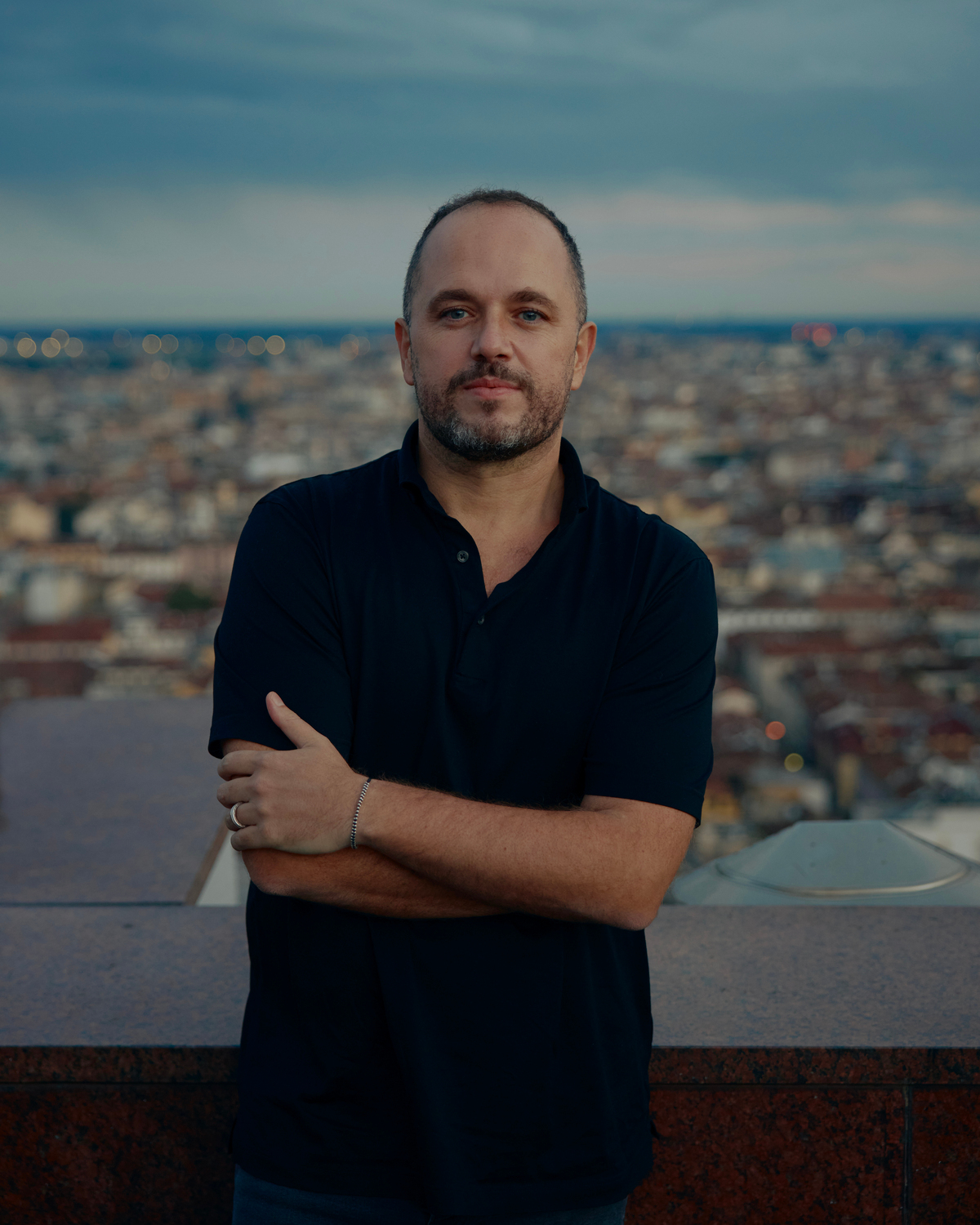
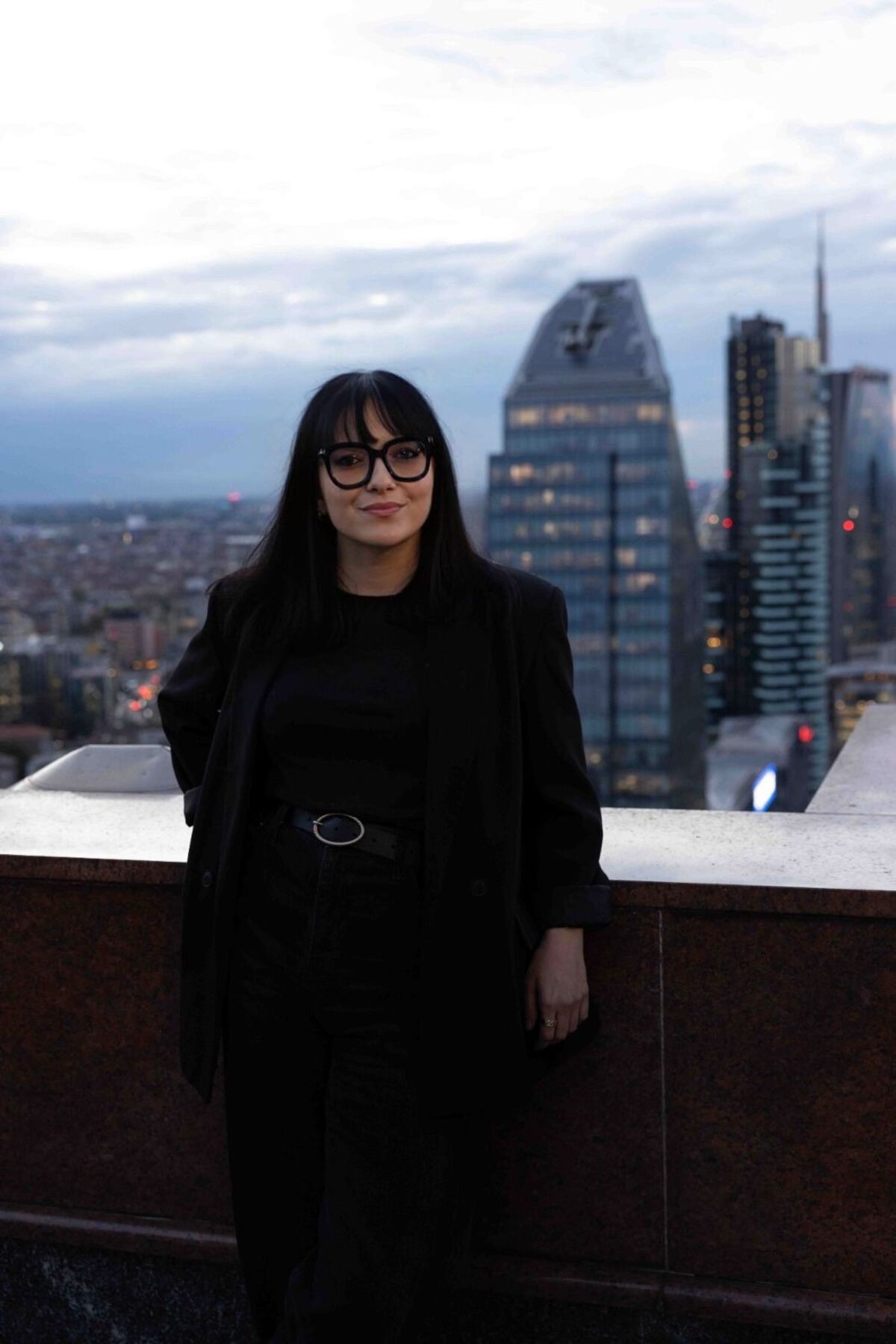
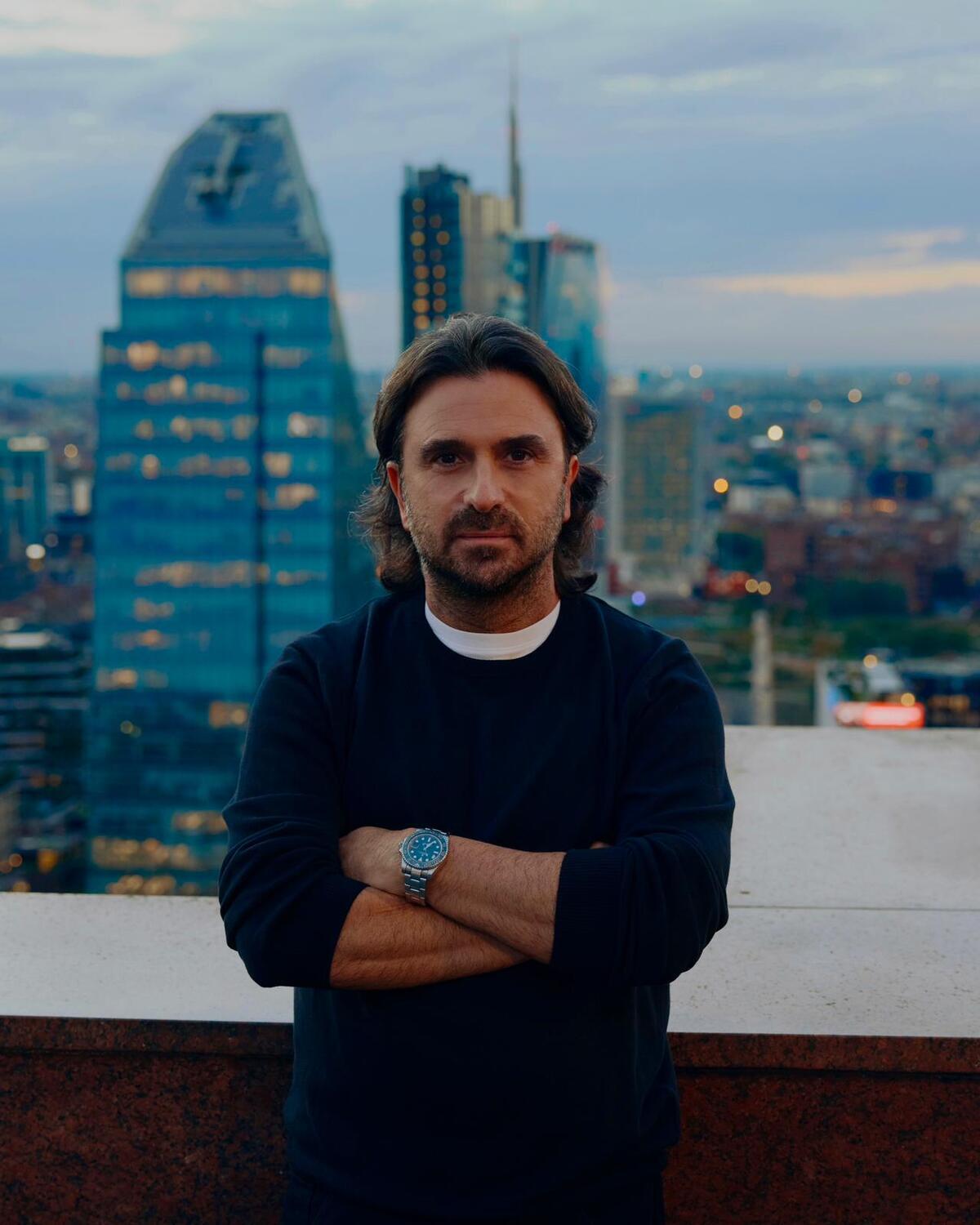
What is evident during the in-depth and unguarded conversation with Pico Cibelli (President, Warner Music Italy), Marco Masoli (Label Director, Atlantic Records Italy), Gianluca Guido (VP Frontline, WM Italy), Raffaele Razzini (VP Finance & CFO, WM Italy), and Eleonora Rubini (Label Director, Warner Records Italy), is a genuine camaraderie between colleagues, a deep passion and drive to keep growing the business at its current trajectory, and a healthy amount of friendly rivalry between the two new labels.

Out of the “big three” record labels (after Universal Music Group and Sony Music Entertainment), Warner Music is the smallest, accounting for approximately 18-19% of the market share, but, as Headliner discovers, there’s room to close that gap. 

Since being appointed as President of Warner Music Italy in 2022, Cibelli has steered the company to a growth rate of over 60% by striking up some historic partnerships with the country’s biggest music festivals and talent-seeking TV shows, strategic acquisitions, and strengthening the label’s catalogue with breaking new artists, rather than relying on its back catalogue to do the heavy lifting.

“It’s really important to show that we are here because we have a history,” begins Cibelli on Warner Music Italy's 50th year milestone. “That gives us credibility. We have a good catalogue – not amazing, but solid,” he acknowledges, “and we have an amazing team. The key is that when you have a strong story, you can build a new one for the future.”

On WM Italy’s catalogue not being as strong as perhaps he would like, Cibelli clarifies: “I’m not talking about the quality of the catalogue, because we have an amazing amount, I mean in terms of quantity.

Pico Cibelli (President, Warner Music Italy)

Pico Cibelli (President, Warner Music Italy)

I don’t like starting with a ‘bad’ label and a ‘good’ label’. We split the team exactly according to the roster, keeping a of balance.

That key amount decreased in 2013 when WMG entered into a £487 million all-cash agreement to acquire PLG from UMG. While the acquisition expanded WMG’s international catalogue, it also obligated the company to sell portions of its historical artist roster to independent labels.

“The big problem is that our competitors have historical catalogues that are huge,” admits Cibelli, seeing no reason to sugarcoat the facts. “Sony probably has the most important local catalogue in Italy. They have the historical catalogue from BMG, which includes the most important singer-songwriters from the ‘60s, ‘70s and ‘80s. And Universal also has an amazing catalogue, especially after the merger with EMI. 

"The big difference is in the numbers. Competitors get around 75 to 80% of their revenue from catalogue and 20 to 25% from new releases. Our split is exactly the opposite: we have about 70% from new releases and 30% from catalogue.”

“We depend a lot on new releases, on the success of those new releases, and on having a consistent release schedule,” Masoli clarifies.

“We’re trying to build our catalogue,” nods Cibelli. “And we’re making a lot of acquisitions. We're really focused on this part of the business. But it’s not easy, because finding the right catalogue at the right price at the moment is difficult.”

It’s been paying dividends so far, though. Cibelli has secured distribution deals for Club Dogo’s repertoire and acquired the catalogues of Neffa, Co’Sang, and Sangue Misto, as well as signing collaboration deals with The Saifam Group and the late Mauro Farina, and alongside Warner Chappell Music, added the archives of the historic DWA Records and Extravaganza. Another strong focus for WM Italy is mining out every possible opportunity in the urban market:

“We're investing a lot of money in urban catalogues, and dance,” Cibelli confirms, using the recent acquisition of historical Italo disco label Extravaganza as an example. “For instance, the catalogue now includes Corona’s The Rhythm of the Night. We're trying to make acquisitions that also have international potential. 

"While we are looking for catalogues and new talent, we are also working a lot with indie labels because they are really important in Italy and there is a strong historical tradition of indie labels shaping the mainstream pop scene,” he adds.

This strategy is working, and WM Italy has gone from strength to strength. The all-important numbers don’t lie: “We started with a completely different structure compared to our competitors,” Razzini points out. 

“At the end of 2022, we had around a 12% market share, and now we’re around 18-19%. The acquisition of catalogues is important because when we sign an artist who already has a back catalogue, we always try to buy it or close a licensing or distribution deal for their previous albums. We see this as a way to maximise the investment we’re making in new releases. 

"Working this way with artists creates a double benefit: the new release and the new album, but also growth across their back catalogue, contributing to the artist’s overall development. This increase shows a growing and stable trend, and it’s something that has allowed us to achieve this organic growth.”

Marco Masoli (Label Director, Atlantic Records Italy)

Marco Masoli (Label Director, Atlantic Records Italy)

At the end of 2022, we had around a 12% market share, and now we’re around 18-19%.

Staff responsible for an artist manage new releases and the back catalogue, meaning catalogue duties are included across both labels. Meanwhile, a production manager or A&R rep oversees all repertoire for contracted artists, while a separate catalogue team handles works from artists without active contracts.

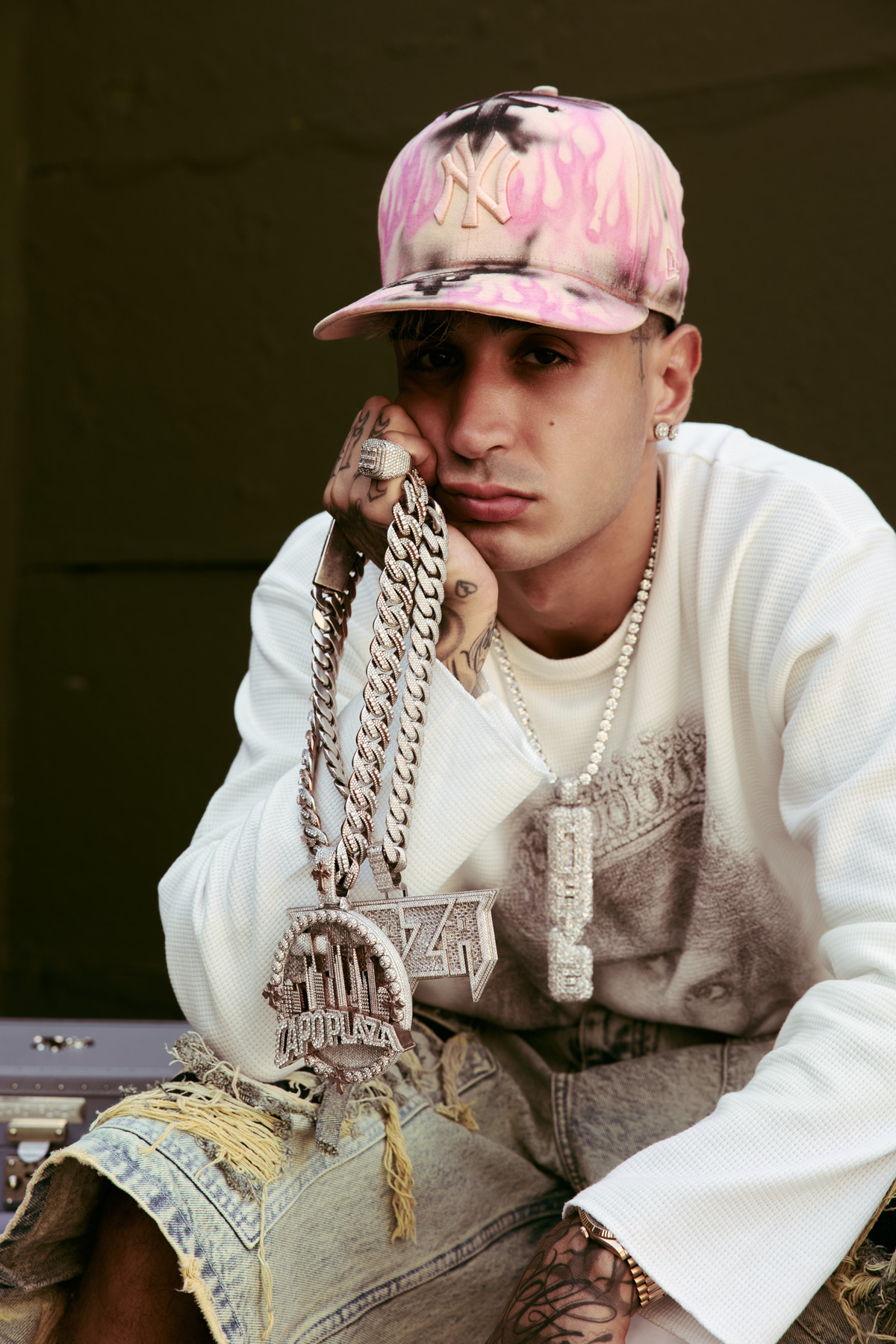
The company’s recent momentum reflects a combination of strategic signings and internal restructuring. Among the additions is Geolier, who in 2024 became the first artist in Spotify Italy’s history to secure all three top year-end distinctions: most-streamed artist (1.4 billion streams), most-streamed album, and most-streamed track.

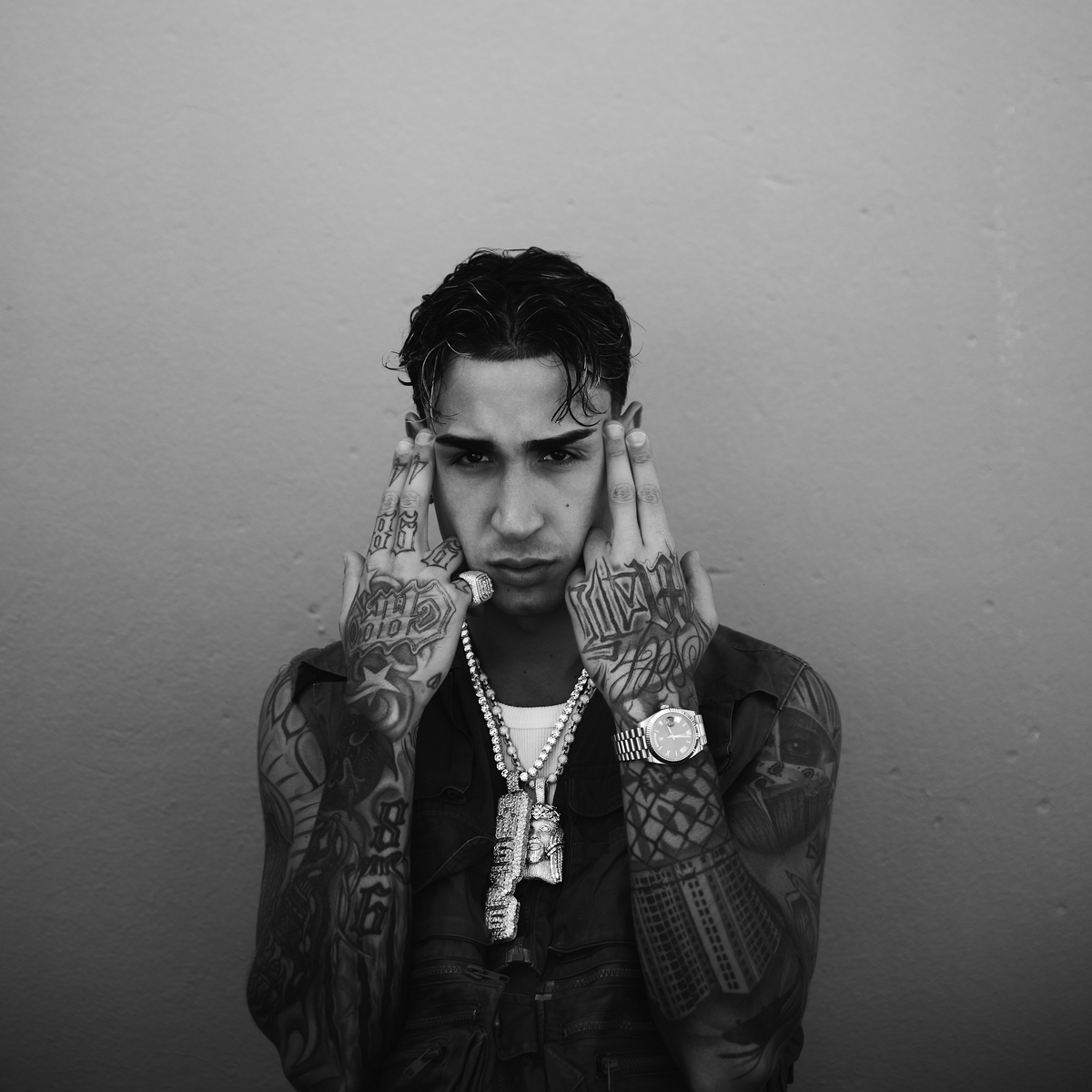
“We’ve also managed to develop a couple of artists from scratch,” Masoli points out. “When we signed Tony Boy and Artie 5ive, they were unknown, and now they’re superstars. We have two huge superstars in the urban scene who started from zero when we signed them.

“This level of growth is also the result of the attention we gave to every single revenue stream,” Razzini clarifies. “We increased not just streaming, but also physical sales – we opened the D2C shop, which wasn’t in place before – and we developed activities around brand partnerships and sync. With this type of approach, planning everything and making it systematic, you don’t miss any opportunity, whether it’s from the back catalogue, reissues, or new releases. 

"This is what enabled the revenue increase: consolidating existing streams while creating a foundation for further growth. It’s not just a random spike – it’s the result of focusing on every single revenue line.”

Eleonora Rubini (Label Director, Warner Records Italy)

Eleonora Rubini (Label Director, Warner Records Italy)

Right now, without any doubt, if you want to make a difference in our market, you need to sign urban acts.

Two labels: One vision

The two new frontline labels – Warner Records Italy and Atlantic Records Italy – were launched right at WM Italy’s 50-year mark, allowing the company to celebrate its legacy while repositioning for the future. The timing couldn’t be better. 

Italy’s recorded music market posted solid growth in the first half of 2025, according to data from the labels’ association Federazione Industria Musicale Italiana (FIMI). Turnover exceeded €208.1 million, marking a 9.7% year-on-year increase driven by revenue gains across nearly all segments. Italian repertoire continued to dominate, with domestic artists accounting for 90% of both the Top 10 albums and Top 10 singles during the period.

“The industry itself has become increasingly fragmented and fast-moving, so having two distinct labels with clearer identities enables quicker decision-making, more tailored artist development, and more precise market strategies,” Rubini explains. “This evolution strengthens WMI’s ability to support both established artists and new talent, ensuring it can capture emerging opportunities in a highly competitive landscape.”

The dual labels see the historic WM Italy roster split equally between Atlantic and Warner Records, with the idea of launching them both on equal footing – neither holds more artists of a given genre than the other. 

With urban being Italy's most popular genre at the moment, one could imagine it would be tempting to dedicate one of the labels entirely to it. Cibelli points out that this would be to the detriment of the other label. They’re both his babies, after all, so they will be given equal opportunities in which to shine.

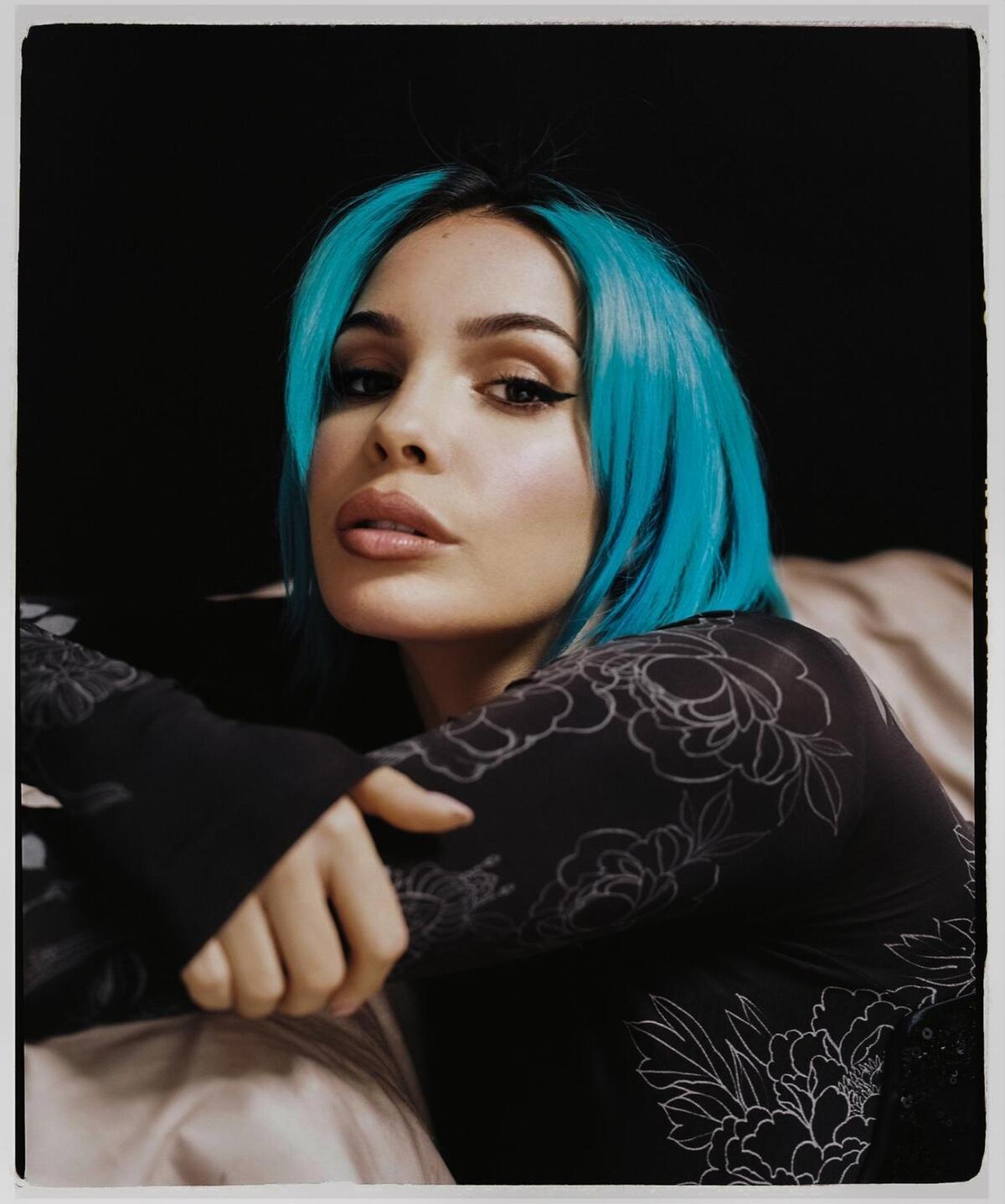
“I don’t like starting with a ‘bad’ label and a ‘good’ label,” he reasons. “We split the team exactly according to the roster, also keeping a kind of balance. So, for example, if you have an artist like Annalisa on one side, who is a big superstar, we have Rose Villain on the other side. We decided to start without focusing on the genre of the label.”

“We’ll see how it shapes up according to what we sign and the vision we want to bring to the labels,” adds Masoli. “Given that the market is 80% urban, if one label focuses only on urban, it will immediately be stronger than the other. So we wanted to start on the same level.”

That’s not to say that WM Italy won’t be investing in urban, quite the opposite. “Right now, without any doubt, if you want to make a difference in our market, you need urban artists on the label, and you need to sign urban acts,” asserts Cibelli. “Urban is the core at the moment. If you want to do the numbers, you must sign urban acts. We have urban experts in the label, and in my opinion, it’s fundamental to maintain this approach.”

Guido explains why a two-label structure was essential for the next chapter: “The market has become too diverse and fast-moving for a single label to cover every genre and artist need with the right depth,” he answers. “At the same time, our internal growth and international ambitions required clearer focus and stronger specialisation.”

Raffaele Razzini (VP Finance & CFO, WM Italy)

Raffaele Razzini (VP Finance & CFO, WM Italy)

Italy has historically struggled with exporting music due to the language barrier, but that seems to be slowly changing.

By launching two labels, Warner strengthens its A&R focus, accelerates decision-making, and aligns more closely with the wider Warner Music Group. As Italy’s music scene grows more diverse, modern, and outward-looking, each repertoire now benefits from a more specialised approach. 

The new labels will distinguish themselves through clear identities, bold A&R direction, and tightly focused teams. Culturally, the vision is to remain collaborative, forward-thinking, and committed to quality.

“We needed an evolution, not just for artists, but for our teams," Guido adds. “Each label has the autonomy to shape its own culture, sound, and way of working. I step in only to make sure we’re not duplicating efforts, missing opportunities, or drifting away from the bigger direction,” he adds. “In short, we agree on where we’re going, and each label is free to decide how to get there.”

The creation of the new labels aligns with WM Italy’s mission to give the company a more defined and strategic framework for the next phase of its development. “It also increases agility in A&R and marketing, enabling faster, more specialised responses to a rapidly evolving market,” adds Rubini. 

“At the same time, it reinforces WM Italy’s ambition to elevate Italian talent on the global stage, creating a structure better suited to developing projects with international potential. We’re not working with rigid genre rules. Right now, the division is equal, not genre-based, and mainly reflects the A&Rs who were already following each project, so artists land where they have the strongest existing support.”

The distinction between the labels will come from having a powerful marketing and promotions engine, paired with balanced, thoughtful A&R scouting across both pop and urban.

“This combination allows both teams to build solid, strategic rollouts while developing artists with a long-term vision, regardless of genre,” she explains. “Emerging talent requires discovery and foundation-building, while established names require refinement, amplification, and long-term strategy – but both demand listening, trust, and a clear creative direction.”

It’s not all about pop and urban, though. Although it’s not hugely popular at the moment, Cibelli has his eye on rock. “Rock is out of the game at the moment, but it’s still important to understand what the rock community is doing,” he says. 

“It’s worth investing a bit in rock bands, because it can change very quickly, as Mexican music did in the US two years ago. It's important to have an open approach to everything and all channels. But obviously, at this moment in Italy, you’d be crazy not to sign urban acts.”

“Beyond the two new labels, we can’t forget to mention ADA, which continues to play a crucial role in our distribution ecosystem,” furthers Masoli. “In the new organisational structure, ADA now falls under the Atlantic umbrella, led by its new director, Renato Tanchis, who reports directly to me. Through ADA, we distribute artists from several major independent labels, including NAR, Honiro, and Marta Donà’s LaTarma Records, home to Angelina Mango, winner of the 2024 Sanremo Festival. 

"In addition to its label-management work, ADA also serves as a sort of ‘talent academy’ for Atlantic — a place where we can sign the most promising emerging artists and keep a close eye on their development, evaluating potential opportunities for growth and for future licensing or roster inclusion within Atlantic.”

Gianluca Guido (VP Frontline, WM Italy)

Gianluca Guido (VP Frontline, WM Italy)

We’ve developed a couple of artists from scratch. When we signed them, they were unknown, and now they’re superstars.

Release Strategy

To keep WM Italy’s trajectory going strong, the team shares that they stick religiously to a regular, consistent release schedule.

“Thanks to the new roster, we have increased our release flow,” says Cibelli. “We have an important release every week, and one very important album every month. This strategy helped us build our numbers in market share on Spotify, but also in the wider market, on other digital providers, and on the physical side as well.

Masoli shares that a pop act typically releases a small number of singles over the year, followed by an album. In the urban genre, however, it is common for them to issue a higher volume of singles, allowing for more frequent releases, particularly in periods of the year not addressed by the company’s summer strategy or the Sanremo Festival. These intervals are filled with urban projects.

Since we don’t have a big catalogue compared to the other two companies, we depend a lot on new releases,” he says. “So we need to be consistent and to have plenty of new releases performing well to give us stability. Otherwise, the ups and downs in market share are huge, because we don’t have the passive market share that comes from the catalogue.”

This growth is not just a random spike – it’s the result of focusing on every single revenue line.

Sanremo season

The Sanremo Music Festival and the summer season are WM Italy’s two catalysts when it comes to success due to mass exposure, and artists making it onto the main streaming platform’s all-important summer playlists. 

Although it used to be considered uncool, due to the inclusion of mainstream superstars, Sanremo has become the most popular Italian song contest and awards ceremony. It is the longest-running annual TV music competition in the world on a national level, and the Sanremo Festival winner goes straight through to the Eurovision Song Contest.

The two crucial periods are managed with different strategies for WM Italy: Sanremo involves detailed, long-term planning, while the summer season focuses on speed, timing, and impact. Each label selects projects appropriate for each window, and coordination ensures that activities are aligned and do not overlap.

“Sanremo is something very unique,” says Cibelli. “I don’t think there are any festivals like it left in the world. In terms of impact, it’s huge, and the interesting thing is that Sanremo is a festival featuring only new songs. It's really important, when planning for a pop or urban act, to understand whether Sanremo could be the first step or the culmination of an artist’s strategy.

The impact on the charts and playlists is amazing; the push you get that week is incredible, because the show runs every night for five nights with 15 million people watching it. If you listen to the radio during those days or watch television, everyone is talking about Sanremo. It’s like the Super Bowl! The game-changer has been the involvement of digital partners in Sanremo, which have the important playlists.”

We want to develop and break an international act. That is our mission.

Securing a spot on one of these playlists makes the difference between breaking a new song or artist or getting lost in a sea of digital releases. “The playlists have ranked between number one and number three globally over the last six years,” Masoli points out. 

“During that specific week, it’s the most-streamed in the world. Yes, it’s an Italian playlist,” he acknowledges, “but it has become the most-streamed globally because of the sheer number of listeners. During that specific week, you can have songs in the top 50 globally on the day of release. The impact is huge. In terms of revenue, it has contributed around 3-4% over the last few years.”

“We look at Sanremo and Eurovision as an important opportunity for global visibility,” adds Guido. “Our job is to make sure the artists who step into that space are ready with a clear identity, strong songs, and an international strategy already in motion.”

“We’re not thinking in terms of ‘taking as many slots as possible,’ but rather asking: which artists have the right creative moment, the right song, and the right long-term vision to make Sanremo a meaningful step in their career?” furthers Rubini. 

“Our approach will be selective, strategic, and centred on sustainable career growth rather than chasing visibility for its own sake.”

Razzini shares that WM Italy’s revenue saw a huge growth in correlation with Sanremo in 2024. “It was a real peak when we had the winner and all of the top five finalists being signed to WM Italy, from which we then started to build growth across everything,” he explains.

We can now go to Annalisa with an AI demo and the guide vocal.

The X Factor-Sanremo-Eurovision connection

Måneskin is a perfect example of the power Sanremo holds. The rock band came in second in the Italian version of X Factor in 2017, won Sanremo in 2021, and then won the Eurovision Song Contest. 

The rest is history: Måneskin have sold an estimated 40 million copies worldwide and garnered four billion streams across all streaming platforms, holds six diamond, 133 platinum, and 34 gold certifications, and received a Grammy nomination in the Best New Artist category in 2023.

Historically, Italy has struggled with exporting music due to the language barrier, but that seems to be slowly changing. 

“I think it’s more about what we see changing,” Masoli considers, “not the language, but the sound and the flavour of music coming from Italy. It's coming back in terms of being exportable as it happened with dance music in the past”

“We’re also trying to work on the dance repertoire, which could be a genre with strong export potential,” Cibelli jumps in. 

“The Italian market was huge in the past for dance music, with many tracks from Italian indie labels – Corona’s The Rhythm of the Night, Benny Benassi’s Satisfaction, Eiffel 65’s Blue (Da Ba Dee) – and many more from Italian producers. Dance could be another way to build a new story and export music worldwide. Dance isn’t central to the market at the moment, but who knows – it could become relevant again.”

Everyone is talking about Sanremo. It’s like the Super Bowl!

The rise of physical sales

Streaming continues to grow, but vinyl, CDs and even cassettes are rising too, particularly with Gen Z, who are seeking out tactile options.

“Physical sales now make up 20% of the market,” says Cibelli. “We're doing a great job on the physical side, because we’re creating special packaging for some versions. When you make something really beautiful and high-quality, the impact on the market is strong, because people want something unique – they want something collectable to have on their shelf. 

"I know that people don’t always listen to vinyl, but they want the special edition. With one of our artists, we did six different packaging versions for her new release.”

“We approach the two trends pragmatically,” adds Guido. “Streaming drives frequency and visibility, so we plan flexible, data-driven releases. Physical formats drive value and fan loyalty, so we focus on quality and clear propositions. Both labels use this balance to maximise reach and build solid, long-term consumption.”

Rival Universal raised eyebrows this year by releasing 34 versions of Taylor Swift’s latest album, The Life of a Showgirl, securing her a no.1 record and becoming the fastest-selling album in history. 

The strategy worked, moving over 4 million album-equivalent units in its first week, including 3.4 million pure sales. Impressive? Certainly, but it left even the most diehard Swifties questioning why loyalty comes at such a high price. Would Warner ever adopt such a strategy?

“If you’re doing 30 or 35 versions, it’s because you’re giving something to the fans,” reasons Cibelli. “The key is to let people choose what they want. Our job is to give them the opportunity to choose and to feel involved in the artist’s vision. Having different creative options and activities around the graphics is really important.”

“In the case of Taylor Swift, you can double down on album sales because she has plenty of superfans who will buy multiple versions of an album,” agrees Masoli. “A single superfan might buy four different versions, so it makes sense to release more versions, as each fan multiplies the sales. It works very well.”

Streaming drives frequency and visibility, so we plan flexible, data-driven releases. Physical formats drive value and fan loyalty.

AI: Problem or opportunity?

In 2023, Warner Music signed a record deal with Noonoouri, a computer game-esque-looking AI virtual pop singer. Meanwhile, Timbaland has launched an AI artist, and recently, a realistic AI-generated artist persona signed a multimillion-dollar record deal after a bidding war among labels. 

The online response to realistic AI artists has not been favourable, as fans and artists have expressed concerns about ethical violations, copyright issues, loss of human authenticity, and human artists being replaced.

It’s timely then, that en-route to the WM Italy offices, Warner Warner Music Group announces a collaboration with Stability AI to advance the use of responsible AI in music creation, and the following week, Warner Music announces it has partnered with Suno, a leader in AI music, to open new frontiers in music creation, interaction, and discovery, while promising to compensate and protect artists, songwriters, and the wider creative community.

Clearly a topic on the company’s mind, Robert Kyncl, the CEO of Warner Music Group, quickly followed up with a statement emphasising the need to shape the future of music through legislation, litigation, and licensing to protect and benefit artists and songwriters. He also highlighted the importance of early action in fast-changing areas like AI, while noting past lessons from digital transitions, to ensure the industry drives value, rather than follows.

Emerging talent requires discovery and foundation-building, while established names require refinement, amplification, and long-term strategy.

Cibelli is in agreement: “We can’t compete with innovation. We must protect our artists and our repertoire. In my opinion, AI is a tool that artists should use if they want, but at the same time, it’s really important to set the right rules to maintain control. 

"We work with some songwriters and receive demos with different voices to propose to our artists. We can now go to Annalisa, for example, with the demo and the guide vocal and say, ‘Listen to this track.’ And sometimes she responds, ‘I don’t remember singing this track!’ We’re talking about innovation; we can’t fight against it, but we have the responsibility to control it and set the right rules.”

Would WM Italy sign a human-like AI artist in future? If there’s talent, why not?” Cibelli answers without hesitation. 

“We can discuss it. I personally don’t like it when people make music like machines – just putting out tracks to do business. That’s not the right way. But if it’s about supporting these artists with a team, a strategy, a vision, an artistic direction, or a composer, then why not?”

We need to be consistent and to have plenty of new releases performing well to give us stability.

Next stop: Taking an Italian artist international

In terms of measuring the success of Warner Records Italy and Atlantic Records Italy over the next few years, the team shares that they are all in it together to see the new structure succeed.

“If we don’t increase Warner’s overall success, it means the label structure doesn’t make sense, and it worked better before,” says Masoli. “It’s not a matter of Atlantic or Warner Records being better than the other. Of course, there will be – and it’s useful – a bit of competition to push both labels to perform better,” he says, glancing at Rubini.

“Masoli and I work together with a very open, constant line of communication,” Rubini nods. “Even though the labels have distinct identities and teams, we’re aligned on the bigger vision for WM Italy, so we make sure our decisions move in the same direction. 

"We share information early, coordinate on overlapping priorities, and keep our A&R and marketing strategies transparent so nothing happens in isolation. It’s a mix of clarity, collaboration, and trust: two independent structures that stay tightly connected so the whole machine runs smoothly.”

“We need to find the right balance and support each other,” nods Masoli. “For example, if Warner Records has a few months with fewer album releases, we can balance it by having more on our side. It’s about having processes in place and communicating a lot with each other. Even with signings, we already have processes to ensure we don’t conflict. Of course, both of us are very competitive people,” he grins.

“When I decided to build two labels, it was also to create a bit of competition within the team and the company,” admits Cibelli, “But it’s really important to remember that we receive our funding from one company.”

Before, we were out of the picture, but now the major labels know we’re at the same table.

And if one label should do better than the other? “The challenge is that we’re building two labels while also developing the team,” Cibelli answers. 

“It will probably take one or two years to see the real impact and to understand the new balance and structure. We're also exploring other areas of revenue. We’re looking at merchandising and live events, trying to expand our business beyond the core music business. 

"Of course, the core is streaming and developing our artists’ careers, but at the same time, we’re exploring opportunities outside our comfort zone because the live side and additional revenue from other businesses will probably be key to growth. The next big leap will likely come from adding different revenue streams from other areas.”

And that’s not all. Cibelli has one main goal: he wants to break an international artist. He may have captured lightning in a bottle with Måneskin, but taking a new Italian artist global is another challenge entirely.

“I think it’s possible because the company worldwide is very open to breaking hits from everywhere,” he states. “We have strong connections across all territories, with Simon Robson (EMEA President) and the European team, and an incredible connection with Alejandro Duque, President, Warner Music Latin America. 

"We want to use these connections to develop and break an international act. That is our mission for the next two to three years. I want to add that we are crazy,” he laughs. “We love our job. We are completely addicted.”

The competition is surely watching this space, as WM Italy has already proved that the appetite for their new signings is there. Everyone loves an underdog, after all.

“Our competitors have a big roster that they have built over the years, and we're trying to create an advantage from being as strong as possible on the A&R side by signing the next potential superstars before the others,” says Masoli.

“We’re talking about two really big companies, and we respect them a lot,” says Cibelli about Universal and Sony. 

“Universal is the biggest in Italy, but they know we’re now active in the market and present. Sony also sees us really close behind, but they know we’re very strong and recognise the value of our people. Before, we were out of the picture, but now they know we’re at the same table,” he smiles.