


UK music licensing company PPL has reported that is has collected £225.7 million for performers and recording rightsholders in 2020, marking a decrease of £46.1 million (17%) from 2019.
The figure does, however, represent PPL’s third highest annual collections total, despite lockdown restrictions impacting revenue from many of its public performance and commercial radio licensees.
International collections remained strong with £85.9 million collected, a 0.9% downturn from 2019. Broadcast and online income also held strong, dipping by only 3.8% to £82.3 million. Income from public performance and dubbing was the most heavily hit by COVID-19. £57.5 million was collected in 2020, down 42.2% from 2019.
PPL’s international collections totalled £85.9 million last year. This is PPL’s second highest annual international total since international collections began in 2006, down 0.9% on the record £86.7 million registered in 2019. The strength of PPL’s international revenue reflects the technological and operational investments made by PPL and the neighbouring rights industry over the past 10 years. This has driven significant UK and worldwide growth of neighbouring rights revenue, ensuring PPL has delivered a robust annual total despite the pandemic. The number of agreements PPL has with international music licensing companies also surpassed 100 during 2020 - it now has 105 agreements around the world.
Broadcast and online licensing collections fell by 3.8% in 2020 to £82.3 million. PPL’s television broadcast revenue grew throughout the year due to existing multi-year deals with broadcasters such as the BBC, Sky, and ITV. PPL’s commercial radio income fell across 2020 as the fees it receives are based on a percentage of each station’s advertising revenue, which were impacted by COVID-19.
Meanwhile, public performance and dubbing income decreased by 42.2% to £57.5 million (from £99.6 million in 2019) as a direct result of the pandemic. PPL and PPL PRS Ltd worked with licensees and their trade bodies to help those facing financial difficulties. Support included not charging fees for periods when premises were closed, temporarily changing payment policies to allow for deferred payments, and suspending late payment charges.
Furthermore, PPL also distributed a record £260.2 million in 2020 (up by 15.2% from £225.8 million in 2019), with more than 135,000 performers and recording rightsholders, either as members of PPL, VPL or another music licensing company, receiving at least one payment – another record amount and a 13% increase on 2019’s figure of 119,000.
To further support the industry, PPL contributed £1.4 million to a number of hardship funds in 2020. These included those run by AIM, BPI, Help Musicians, the Music Managers Forum, the Musicians’ Union and Stagehand. This continued into 2021, when PPL provided further support to the Music Managers Forum and Stagehand hardship funds.
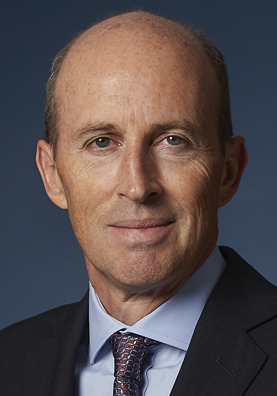
Peter Leathem, PPL CEO, said: “The past year was one of the most challenging in PPL’s history with COVID-19 having a significant impact on our income. Despite these difficulties, I am proud of how the company rallied to support performers and recording rightsholders, as well as the wider music industry. It is a sign of the underlying strength of PPL and its staff that our business operated as near to normal during this time, paying out over £260 million to over 135,000 performers and recording rightsholders, collecting the third highest annual total ever, and contributing £1.4 million to industry hardship funds.
“In the short-term, as COVID-19 restrictions further ease in the UK, we expect our domestic revenues will begin to recover this year, although we are not yet expecting a return to pre-COVID levels. Our international revenues may be impacted over a longer period of time because of the pandemic, although to what extent will vary from territory to territory. Over the longer term, we remain very positive about this sector’s growth prospects and the income it will create for our members. Between 2009 and 2019, PPL’s annual revenue more than doubled, from £129.6 million to £271.8 million, and we are confident the sector will continue to grow strongly once we have moved beyond the impact of COVID-19.”