

Subscribe
Music News

Lords Committee warns UK government to protect £124bn creative industries from AI ‘copyright grab’

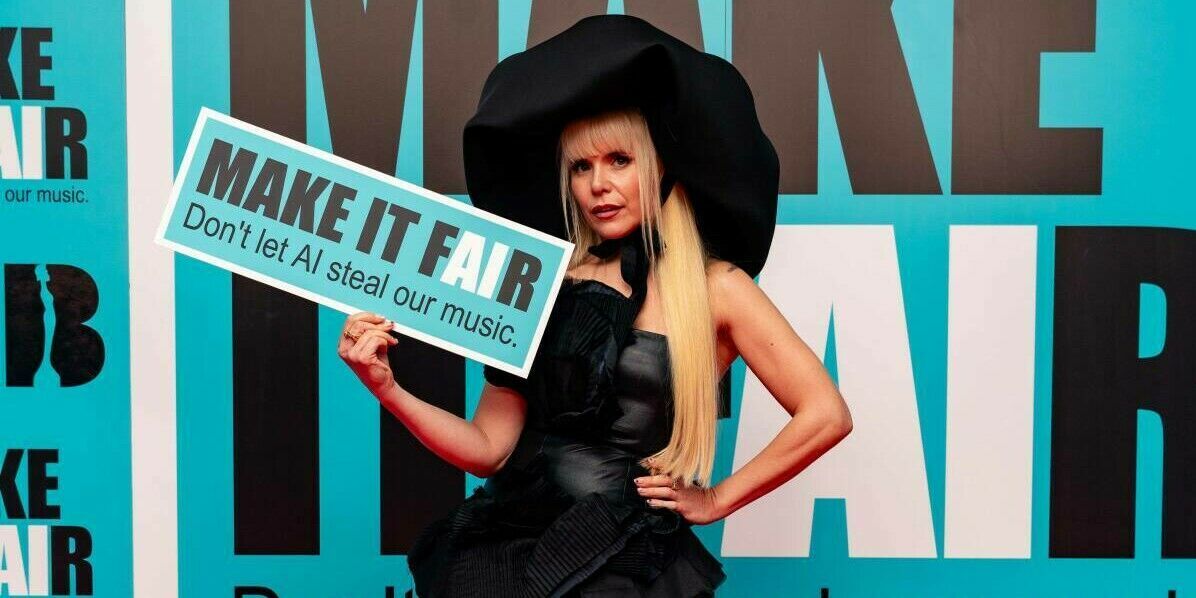
In a new report on AI and copyright, the House of Lords Communications and Digital Committee has said that the Government must choose between two AI futures.

The report outlines that either the UK can become a “world-leading home for responsible, licensing-based artificial intelligence development,” or drift towards acceptance of large-scale use of unlicensed creative content by opaque US-based AI models, allowing damage to our creative industries to go unchecked. Only the first path is in the UK’s interests, warns the report.

The Committee says it would be a very ‘poor bet’ for the Government to allow changes to copyright that could undermine the UK’s creative industries, calling the sector an “economic powerhouse”.

The report highlights that the creative industries – underpinned by the UK’s ‘gold-standard’ copyright regime – contributed £124bn to the UK economy in 2023 and employed 2.4 million people. The AI sector contributed just £12bn in 2024 and employed 86,000 people.

The report is sceptical about tech industry claims that introducing a new commercial text and data mining (TDM) exception for AI training would significantly expand our AI sector. It is clear, however, that weakening the UK’s copyright law in this way would exacerbate existing harms to rightsholders and stall the emerging licensing market.

The Committee calls on the Government to develop a licensing-first regime, underpinned by robust transparency, that safeguards creators’ livelihoods while supporting sustainable AI growth.
Watering down the protections in our existing copyright regime to lure the biggest US tech companies is a race to the bottom that does not serve UK interests. committee chair baroness Keeley

The Committee sets out a range of recommendations to ensure the UK chooses the right path on AI and copyright. These include:

  • Rule out a new commercial text and data (TDM) exception with an opt-out model for AI training. The Government was right to abandon its previous support for a new commercial TDM exception and should now confirm that this will not be introduced. The EU’s ‘opt-out’ approach does not provide a workable model for the UK to follow. Australia’s decision to rule out a TDM exception shows a possible alternative way forward.

  • Strengthen creators’ rights by introducing protections against unauthorised digital replicas and ‘in the style of’ AI outputs. These should give creators and performers clear control over commercial exploitation of their identity.

  • Make transparency about AI training data a statutory obligation. The Government should establish a clear mandatory transparency framework for UK AI developers, as well as consider how public procurement and regulatory tools could promote compliance with UK transparency requirements by international developers.

  • Create the conditions for a fair and inclusive UK licensing market. A market for licensing content for AI use is already emerging, given its wealth of creative content, the UK is well placed to benefit. The Government should support this market to grow in a way that works for AI developers and rightsholders of different sizes, rather than relying on a single initiative such as the Creative Content Exchange.

  • Prioritise the development and adoption of sovereign AI models. Domestically governed AI systems can offer an alternative to an overreliance on opaquely trained US-based models. The Government’s sovereign AI efforts should prioritise the creation of models that deliver enhanced transparency and respect for copyright as a default.

musicians are seeing their work fed into AI models, which then produce imitations that take employment and earning opportunities from the original creators.

“Our creative industries face a clear and present danger from uncredited and unremunerated use of copyrighted material to train AI models,” says committee chair Baroness Keeley. “Photographers, musicians, authors and publishers are seeing their work fed into AI models, which then produce imitations that take employment and earning opportunities from the original creators.

“AI may contribute to our future economic growth, but the UK creative industries create jobs and economic value now. In 2023, the creative industries delivered £124bn of economic value to the UK and this is set to grow to £141bn by 2030. Watering down the protections in our existing copyright regime to lure the biggest US tech companies is a race to the bottom that does not serve UK interests. We should not sacrifice our creative industries for AI jam tomorrow.

“The Government should now make clear it will not pursue a new text and data mining exception with an opt-out mechanism for training commercial AI models,” she continued. “Instead, it should focus on strengthening UK protections for creators, including against unauthorised digital replicas and ‘in the style of’ uses of creators’ work and identity. 

"The Government’s task should be to create the conditions that will allow a licensing-first approach to AI training to flourish, backed by effective transparency requirements and technical standards for data provenance and labelling, so that rightsholders and developers can participate confidently in this emerging market.

“The future for AI in the UK should be based on transparent and responsible use of training data. We are calling on the Government to embrace the opportunities this presents, and to demonstrate its commitment to the UK’s gold-standard copyright regime and our outstanding creative industries in its forthcoming economic assessment and update on AI and copyright.”

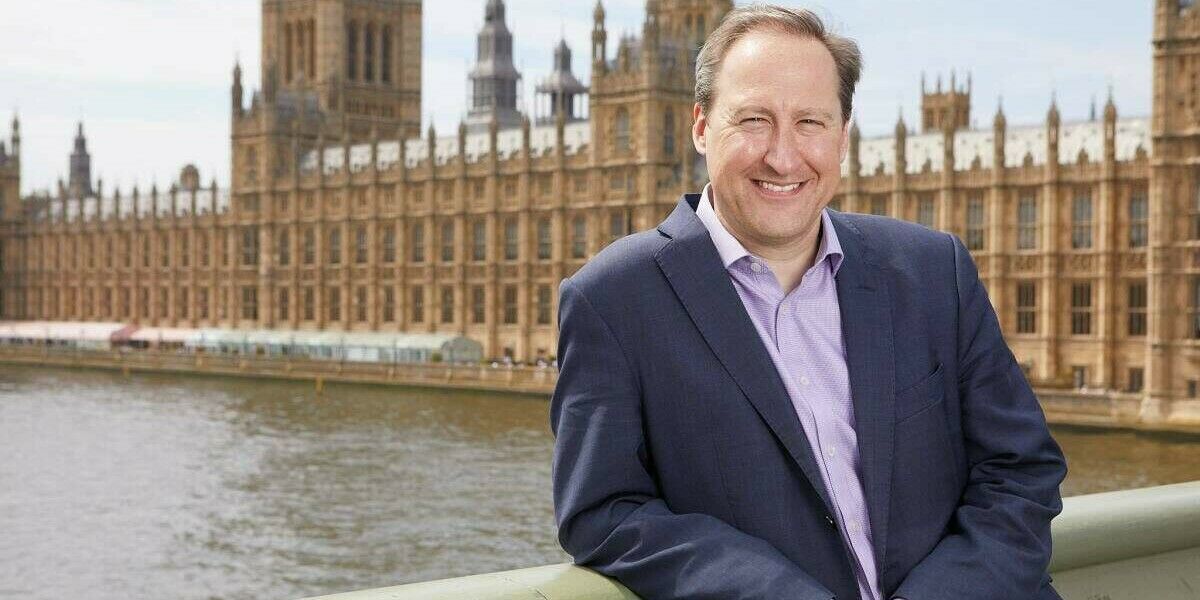
The Committee's findings clearly recognise the existential threat generative AI poses to our world-leading industry. Tom Kiehl

"The UK is at a crossroads, and the Government has a choice to make - either become a global leader in ethical and transparent AI innovation, or sell our incredible cultural and creative sectors down the river to unscrupulous big tech firms," commented UK Music chief executive Tom Kiehl.

"UK Music welcomes the work of the House of Lords Communications and Digital Committee and its crucial report into AI, copyright and the creative industries.

"When giving evidence before this Committee as part of this inquiry, I warned that weakening gold standard copyright laws would compromise the £8 billion music contributes to the UK economy, along with the 220,000 jobs it creates. It's great to see the Committee stand by these existing laws and strongly urge government to reject recommendations for an impractical and unethical 'opt-out' model and text and data mining exception.

"The Committee's findings clearly recognise the existential threat generative AI poses to our world-leading industry and the need for strong support from the Government to ensure the music industry continues to thrive for generations to come."

Paloma Faith image credit: BRIT Awards