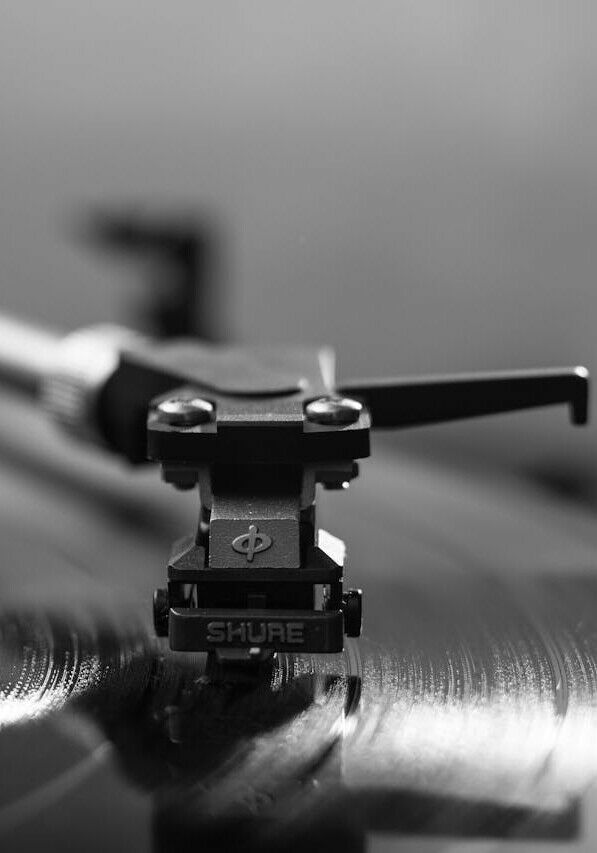



So you want to learn how to make lo-fi music but don’t know where to start? About a decade ago, at the height of EDM and the pop music of the time, huge, clean-sounding production seemed to be a must. But for several years now, the sounds of lo-fi analogue imperfections such as vinyl crackle, the hiss of an old compressor, old jazz record samples, and more have been en vogue. And the good news is that it’s not difficult to use a few lo-fi production principles in your own music.
The term ‘lo-fi music’ will mean different things to different people. Some will describe albums from The Beach Boys from the ‘60s as lo-fi because they were recorded in a makeshift home studio, with a general garage rock vibe. Others will immediately think of early hip-hop and the pioneering use of samples, providing one of the origins of delightful vinyl sounds being heard in songs (quite simply because the samples were being taken from vinyl records).
Whatever it means to you, the reason lo-fi music is so much in the musical public consciousness in recent years is due to contemporary lo-fi hip-hop becoming the genre of choice for many YouTube streamers. I’m sure by now you will have seen the looping ‘lo-fi beats to study/relax to’ YouTube video in which a girl in headphones is writing, and her cat is sitting by the windowsill. In fact, that video has been streaming lo-fi music nonstop since July 2022 with millions of listeners. This quick Headliner guide will show you the five top lo-fi production tips you can bring to your own music. So grab your favourite pair of headphones, a cat is optional.
Saturation, distortion, and vinyl sound effects
Two effects you’ll really want to get acquainted with in your lo-fi music production are saturation and distortion. If you’re working with digital VST instruments, these effects will bring that lo-fi warmth and character that would otherwise be lacking. Distortion doesn’t only apply to guitar pedals for metal music. Distortion is also used to mimic the effects of older music gear, where the produced audio is sometimes overdriven and clips. That slight edge has become a hallmark of the modern lo-fi hip-hop genre.
Saturation is essentially a distortion of a different flavour, by amplifying a signal beyond its dynamic range. It will help you get that lo-fi music warmth and charm with the harmonic distortion added to the instrument or sample in question.
Another option is to go to the analogue source itself. Many of the contemporary lo-fi producers are achieving their sound using the same effects plugins and VST instruments as each other. A great way to bypass this is to use instruments that naturally have elements of distortion and saturation, such as analogue synths and drum machines. Recording an old upright piano lends itself perfectly to lo-fi, also.
Don’t worry about spending a fortune — a really fun approach is creating a hybrid of digital DAW production with one or two analogue instruments. For example, just one synth can bring amazing results and make your sound truly unique. You could summarise modern lo-fi music as producers recreating old analogue styles digitally, and sometimes the real thing is the right tool for the job!
Also, another vital tool in your arsenal is adding vinyl sound effects — the crackling, warm sounds of an old record are a big hallmark of the lo-fi hip-hop genre. Izotope’s free vinyl plugin is a great option, or you can download a sample. freesound.org is a great place for free bits of audio.