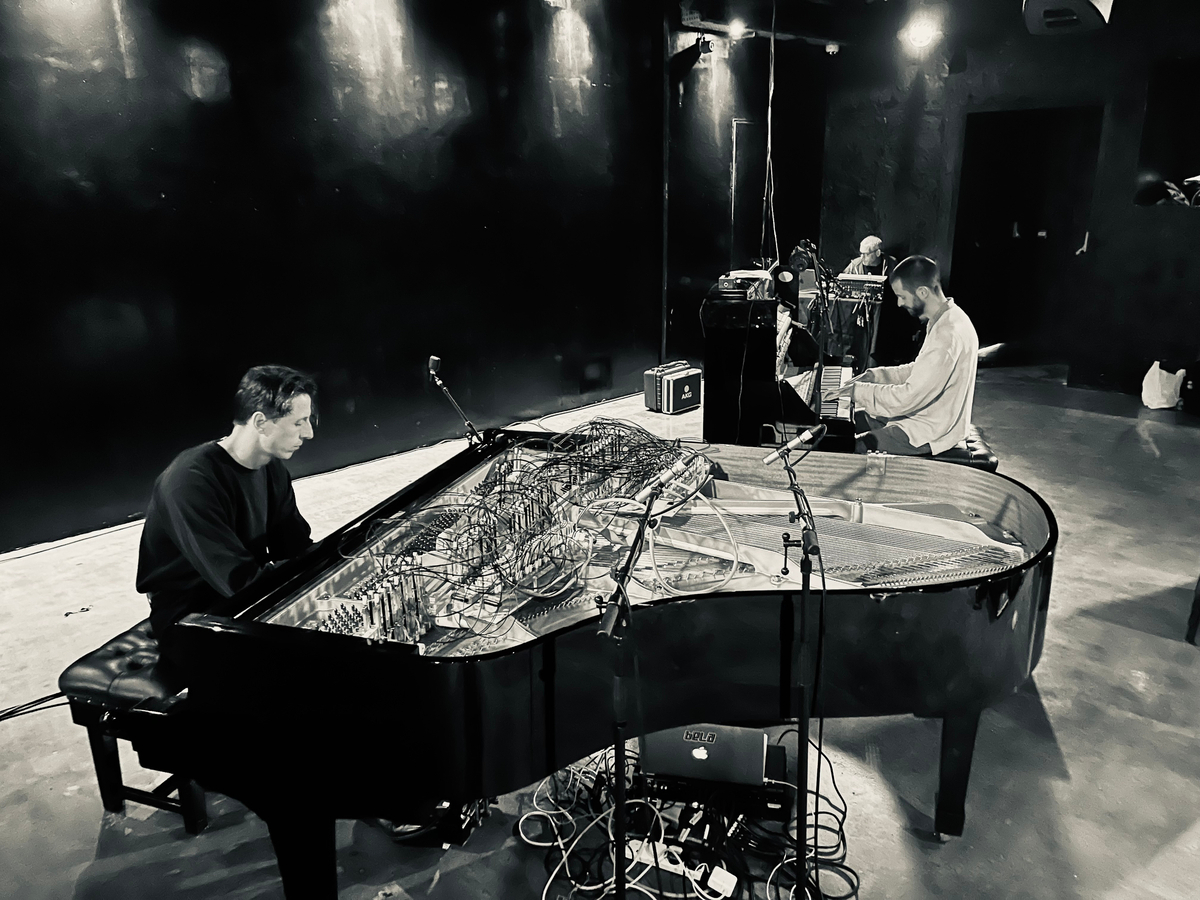

After a strong start in gaming and VR, object-based audio is making inroads into live sound. The terms ‘spatial’ and ‘immersive’ are used a lot to describe this new technique, and are perhaps in danger of diluting its importance. But they are useful. This is not merely surround sound; it has many applications that, quite seriously, could reinvent the wheel of professional audio in the way that stereo, 5.1 and even line array have done in the past. But what if there was a third way between studio and stage? What if there was a way of presenting music that was so realistic, so engaging, that the blurred lines between live and playback disappeared? To do this would bring economies of scale that would tick the sustainability box, give venues and promoters much easier access to the material of busy or remote artists and create a new event ethos. It would also require a sound reinforcement system that melted into the music.
If all this sounds a little far-fetched, it’s time to meet Loss><Gain. Not a band; not an end-of-year financial adjustment buzzword; not the switch that fell off Nigel Tufnel’s Marshall stack.
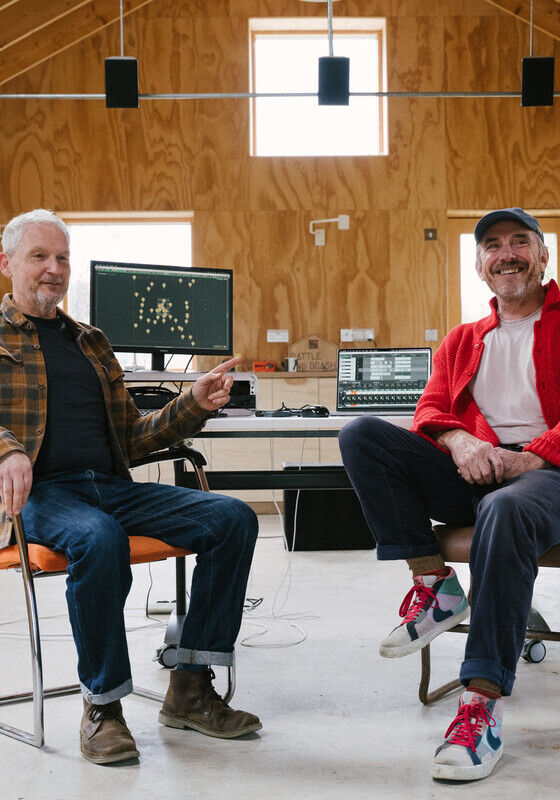
Loss><Gain is described by its founders as an“immersive experience partnership”, and they are sound designer David Sheppard and erstwhile Sigur Rós manager John Best.
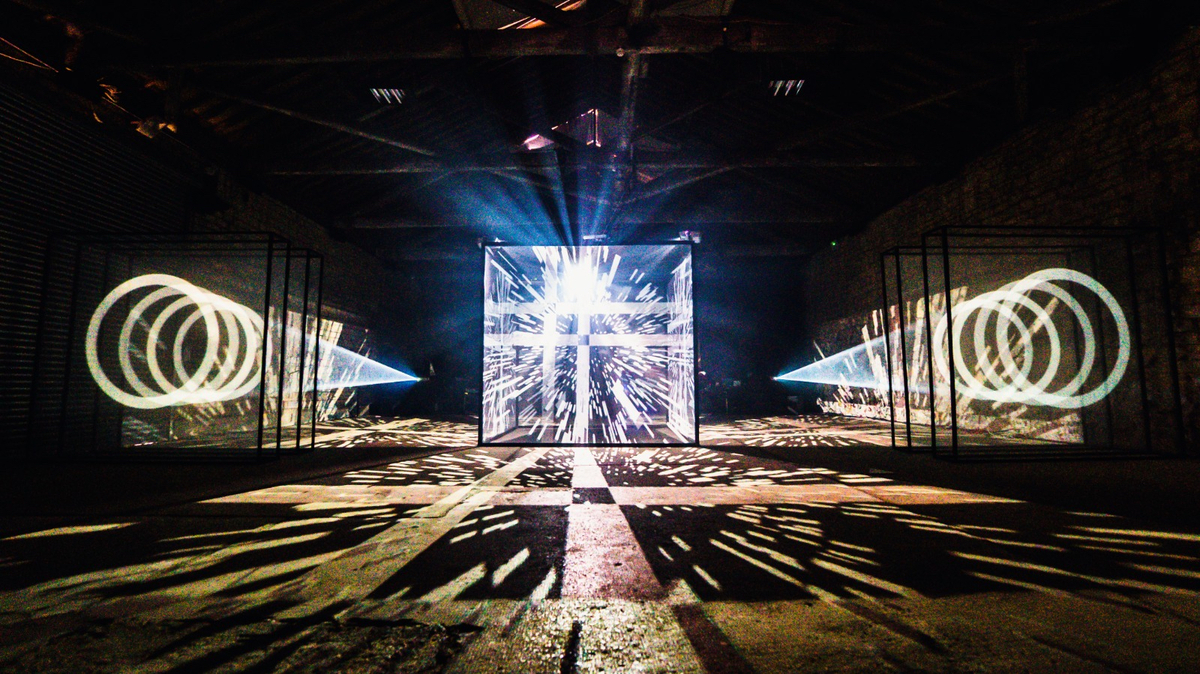
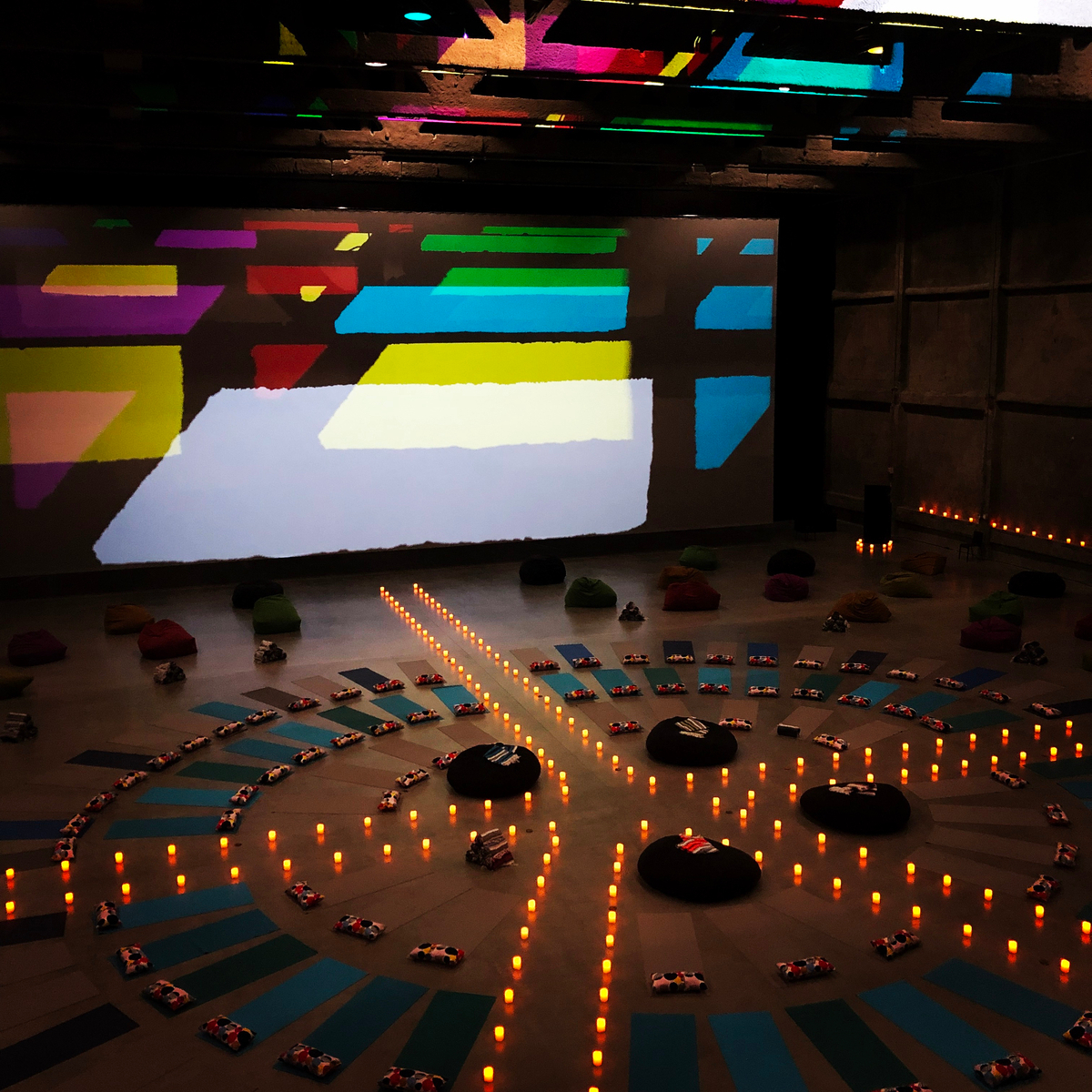
They steer a collaborative network of visual designers, lighting engineers, producers and creative consultants who enable them to ‘stage’ – not really the right word – events in which specific music is played to audiences welcomed into a venue transformed by their work. There may have been a time, long ago, when this sort of thing was called psychedelic. Today, we’re going to have to come up with something better than that.