
Subscribe
Installations

Harman’s Phillip Scobee on best practices and challenges facing the install market

Director of global product management for installed audio at Harman International, Phillip Scobee, speaks to Headliner about his professional background as a live sound engineer, key topics and trends in product development, and reflects on some best practices and challenges currently facing the installed audio market.

Could you start by telling us a bit about your background working in live sound?

I’m very fortunate to have worked with many, many great artists over the years. One that really set me a sail for the future was when I ended up working with a country music band out of Nashville called Alabama. They started in early ‘79; I joined them later in life and was fortunate enough to run with their career all the way through to the end of their season. They're back now, but we officially retired from that run around ‘06 or ‘07. It was a privilege and an honour to work with them for so many years, and I’ve also worked with other big country artists including Tim McGraw and Kenny Chesney.

When did you make the initial move over to product development?

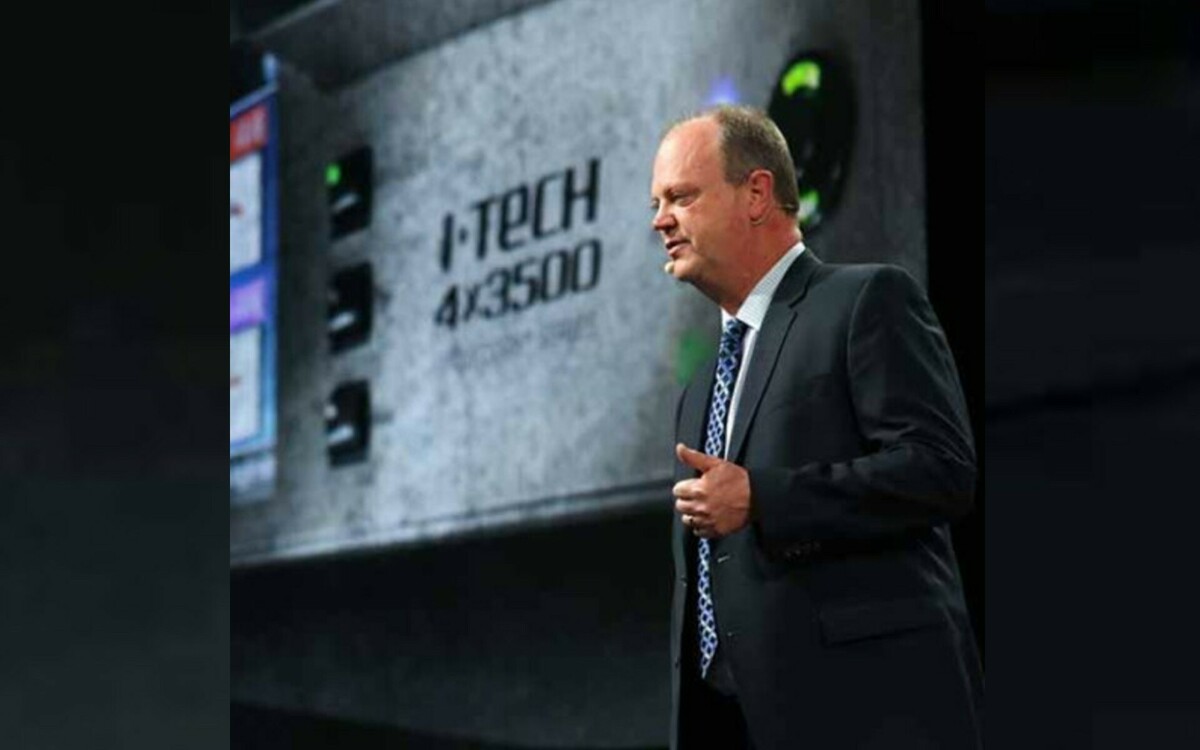
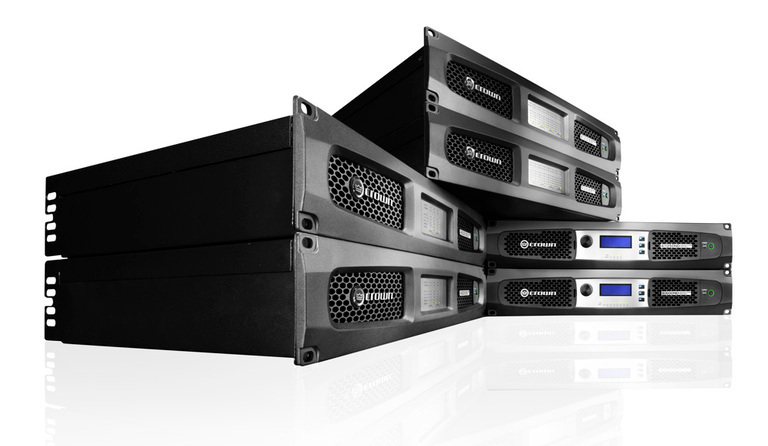
I worked a lot with Crown over the years, developing tours and building a lot of artists; I ended up buying a lot of gear and formed a really good relationship with the people at Harman, so I was working at Crown managing touring amplifiers at the time. Through the nature of Harman being a multi-brand corporation, they needed me to come to California and work in the install and tour groups before they were made separate. I’ve been at Harman for around 10 years now. I manage a team of 10 who are scattered around the globe; everything from a small microphone or ceiling speaker all the way up to the largest PA box and DSP or amplifier – any product used in the install realm falls under my team.
Can you describe a typical day in the life of a product development team leader?

My first order of business is checking email. Because my team is global, I might have had something happen overnight that they need help with – I really quickly scour through that and segue what I need to prioritise. Then I’ll check in on and dive into all my projects that we have at any given time. So I'll have a bunch of meetings about product development timelines and phases to keep everything on track. I often do presentations for our engineering teams or for potential customers or users of the product, so we do lots of travelling and WebEx presentations in conjunction with the sales teams to make sure we're targeting the right market at the right price. I might also spend some part of my day taking care of an older product and phasing it out, or checking on a supply chain issue. Lastly, I’ll check in with my team and see if they need anything, offering moral support or everyday advice to see how I can help them move forward.

What we try to do with product development today is look at it from the end result backwards.

Could you share some best practices and challenges currently facing the install market?

What we try to do with product development today is look at it from the end result backwards. So, what problem am I trying to solve for my customer? And then we work backwards to establish what we really need from a product. There are always many great ideas, but I think we just need to be more focused and more specific on what we're trying to accomplish.

A few years ago, technology was all different and more siloed, but now you have integrated products that have everything combined: It’s a speaker, amplifier and DSP all in one. We've done a lot of work here at Harman to do what I call platforming. For example with an amplifier, we learned how to scale it and turn it from a small powered loudspeaker-sized amplifier into a large amplifier that can handle many speakers. We essentially learn how to take those platforms and scale them according to the product, and we do the same with DSP and with loudspeakers. We've been able to merge all those into products that we can go to market with, and this helps the end user too in that we keep costs down because we're not specifically redesigning every product from scratch. Scalability, knowing your product and knowing your target market are the keys to real world product development today.

Another important thing is just trying to figure out and understand the lifecycle of a product. Install products tend to have a really long lifecycle, and so it can be challenging to develop something that may last 15 years and be able to plan out how we’re going to have service parts available for that product’s entire lifecycle. We try to engineer products to be more flexible in that regard.

Where do you see the market heading in the near future?

When I was first trying to get into audio, I went to my guidance counsellor and said I want to be a live sound engineer. He literally looked across the table at me in the ‘80s and said, ‘I don't have a clue what that is’. I guess one fundamental thing I try to teach my kids and that I would tell other people trying to get into the industry, is just that the audio community now is much larger than when I was there. Use the resources, ask people questions, find a mentor, and figure out a way to actually get a proper education in audio. Things are very different now, but it’s a very creative world and it's growing daily, so my advice to people would be never take no for an answer. Believe what you believe. Learn from people. It's the most generous community I've ever experienced, and I've never had anybody in the pro audio world not be able to answer my question. I hope that we all do that today for the next generation, and I think Harman does a good job at mentoring people in the industry to get into our field. AI is going to be really popular in surround sound and immersive audio, and it’s looking like the next big wave when it comes to multi-channel formats. Whatever happens, it's going to be really exciting to see what we come up with.

Listen to the full interview with Phillip Scobee on Headliner Radio, here: