Subscribe
Live

FOH engineer Ken “Pooch” Van Druten: how most execs miss the lessons world-class mixers have already mastered

In live sound, the real product isn’t the PA or the console, it’s the moment the show you imagined becomes the show you actually feel. That transformation depends on a simple architecture: trust is the condition, translation is the act, experience is the outcome. In his latest Headliner column, pro audio executive Mike Dias profiles front of house engineer Ken “Pooch” Van Druten about how he operates inside that equation every night, taking an artist’s intent and converting it into an experience tens of thousands instantly recognise as “right.” Most leaders never operate under expectations this unforgiving, but the principles that make his world function apply everywhere.

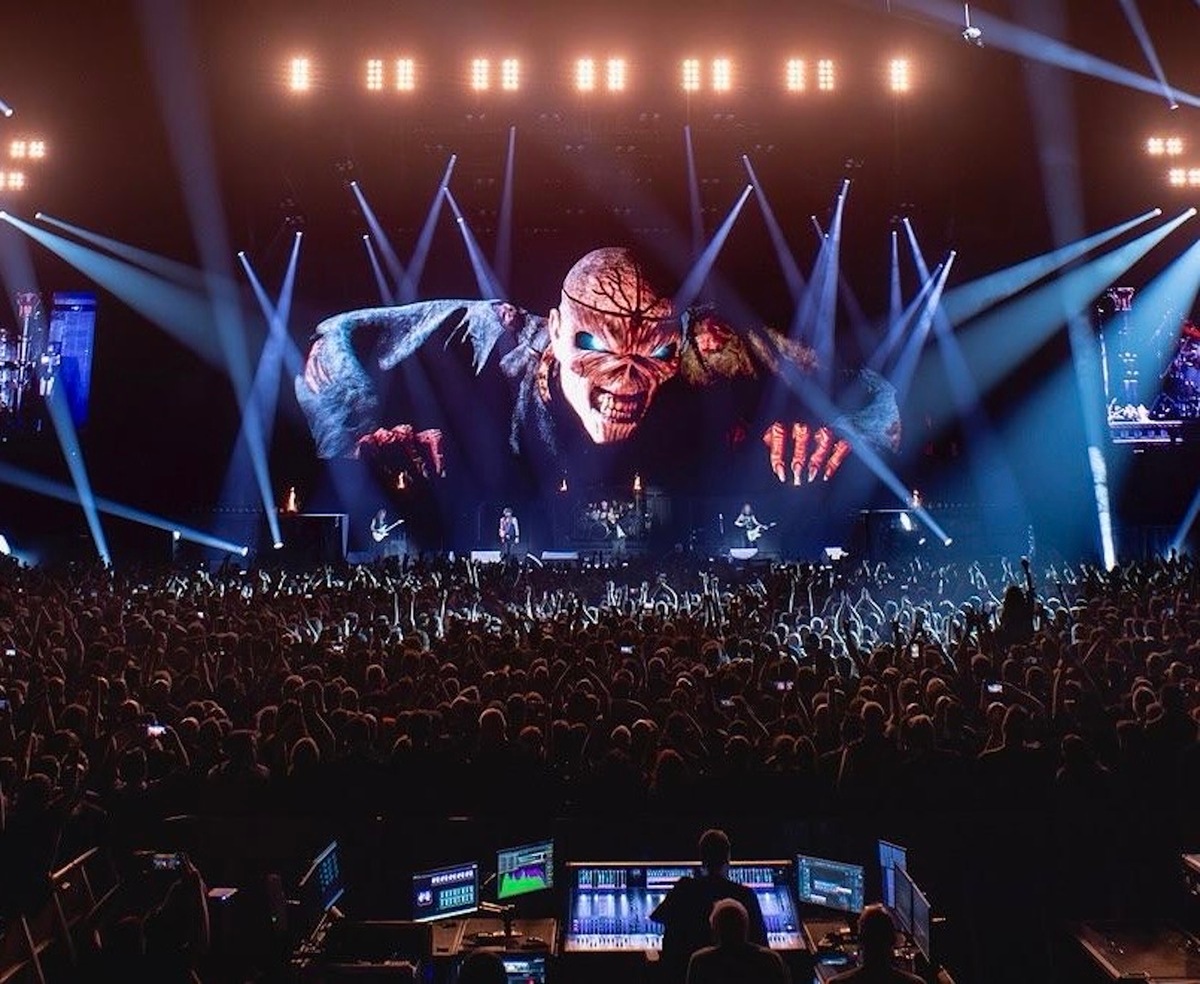
When you walk into an arena, you think you’re buying a ticket to a show. You’re not. You’re buying a promise – that for two hours your nervous system will fire the way you imagined it would when you first fell in love with that artist. The people at front of house don’t just mix. They’re responsible for making that promise real, under conditions where failure is public and unforgiving.

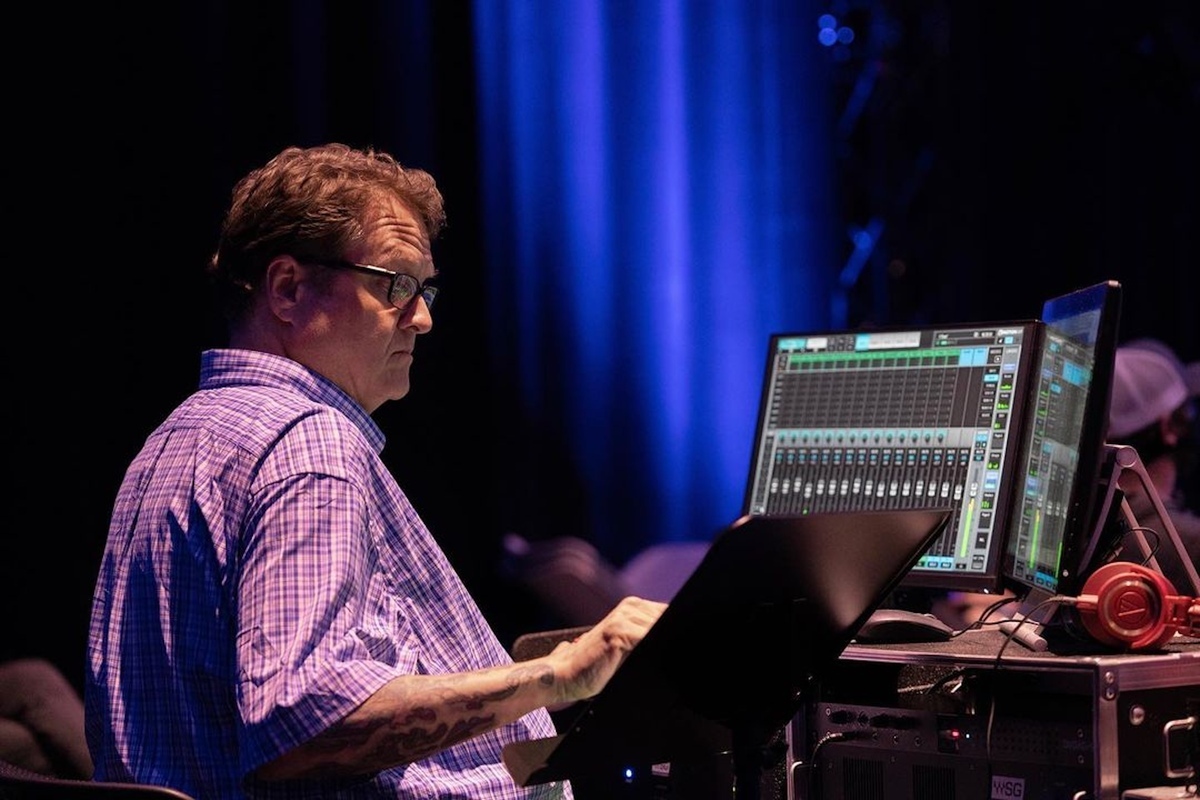
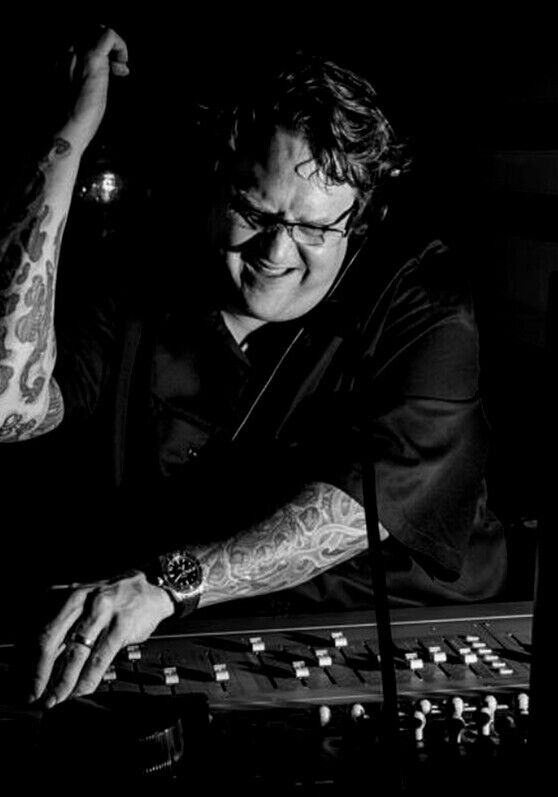
Ken “Pooch” Van Druten has built a career in that environment. He doesn’t think of himself as “the sound guy.” He thinks of himself as the last link in a chain of trust between the artist and 20,000 people who showed up with expectations. “Ticket prices are ridiculous these days,” he shares. “If the audience doesn’t feel what they came to feel, I failed 20,000 people at once.”

That’s not drama. That’s his job description. Executives may never touch a console. But they already live under a version of this pressure. The difference is that in Pooch’s world, the feedback loop is instant.
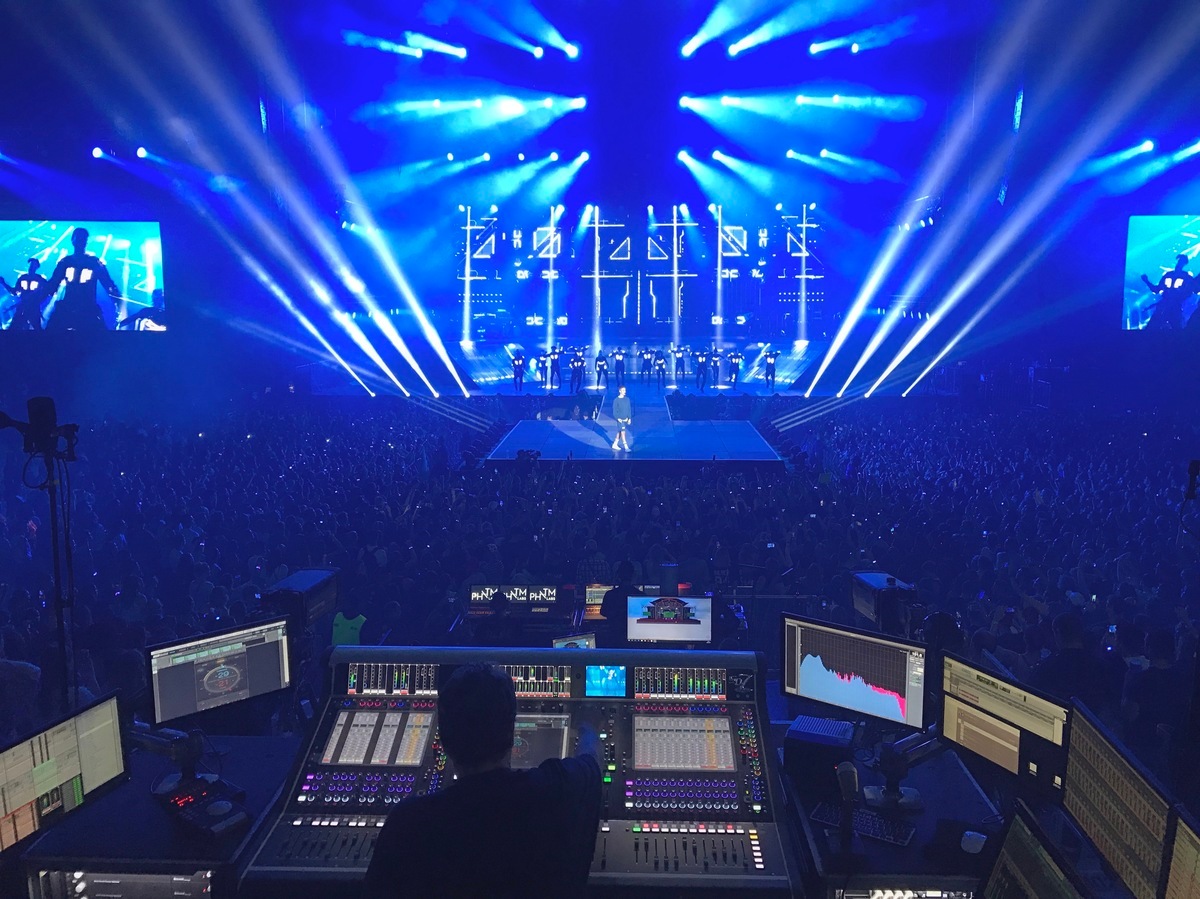
Ticket prices are ridiculous these days. If the audience doesn’t feel what they came to feel, I failed 20,000 people at once.

The Real Product Is Trust, Not Gear


Pooch’s résumé is a tour of expectation management at the highest level: Iron Maiden, Linkin Park, Justin Bieber, Jay-Z, KISS. Manufacturers often assume that if they build great gear, the rest takes care of itself. Pooch’s reality is harsher.

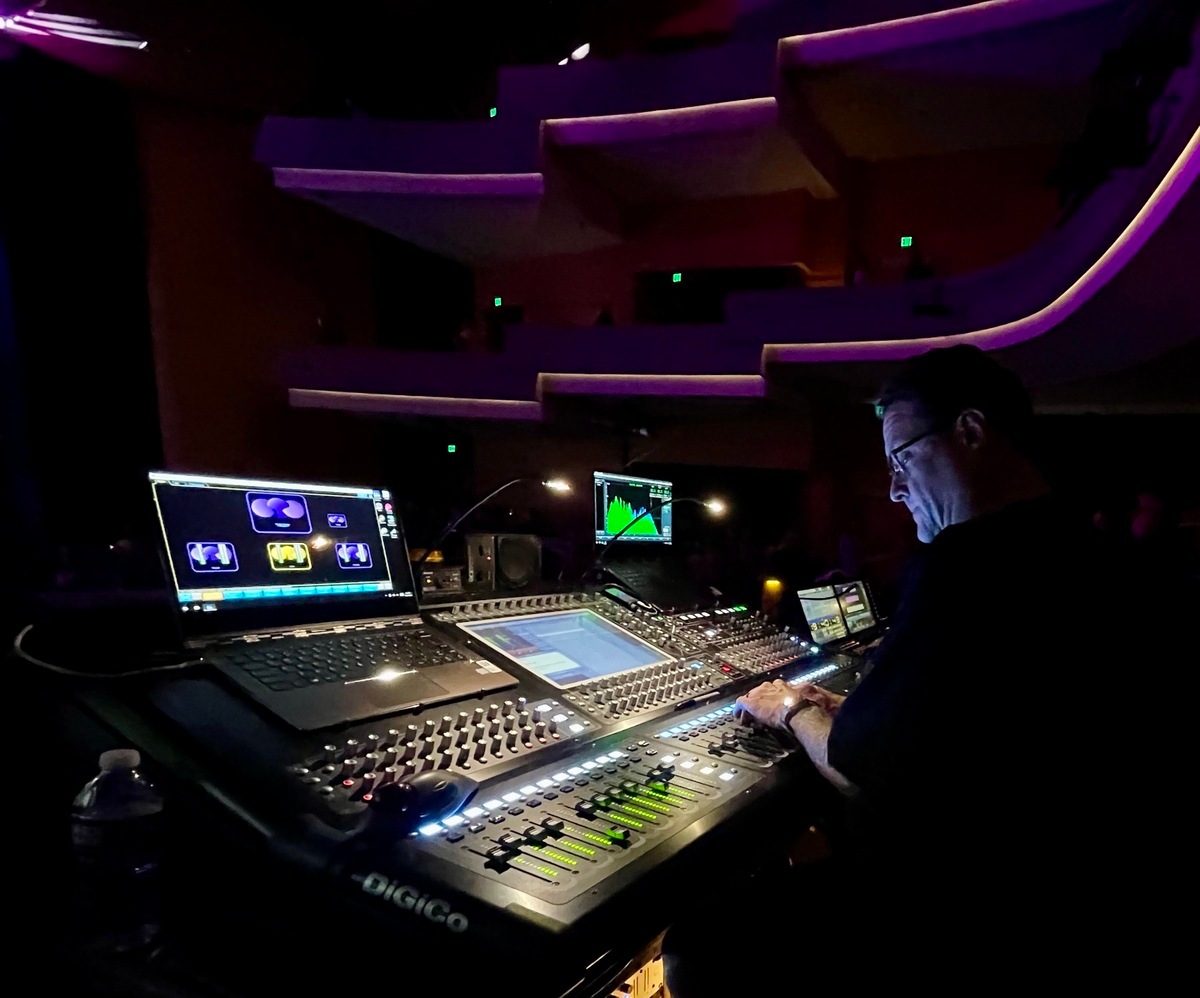
“Yes, the gear matters,” he acknowledges. “But what matters way more is knowing I can call you at two in the morning and you’ll answer.” He uses DiGiCo as an example: “I know I can call James Gordon at 2 a.m. and he’ll pick up. That matters more to me than the fact that his gear is fantastic.”

When he chooses a console or microphone, he’s not making a neutral technical choice. He’s putting his name – and his relationships – on the line: in front of the artist, in front of the crew, in front of management, and in front of a paying audience who will blame the show, not the signal chain. 

If that gear fails publicly, the failure attaches to him. That’s the part most manufacturers and executives miss: what looks like “an endorsement” is actually a shared-risk contract.

You can translate this directly to any business: Your product is the baseline; your response is the differentiator; the real loyalty is to the person who answers the phone at 2 a.m. when everything breaks. If your customers don’t know who that person is in your organisation, that’s your first problem.

The Concert Is a Promise, Not a Show

Ask Pooch what a concert actually is, and he doesn’t start with SPL charts or coverage maps. He starts with expectations. “People show up with a fully formed idea of who that artist is and how it should feel,” he said. “My job is to translate that into reality. If they don’t get what they expected, we failed.”

That word – translate – is where the leadership lesson lives. Everything about a modern tour is complex: the artist’s intent, the crew’s execution, venue constraints, gear limitations, budget and time pressure, and the emotional weather of the day.

You can have world-class components and still deliver a night that feels off. What separates a competent show from a great one is the translation layer – someone who can collect all of those inputs and turn them into a coherent experience that matches what the audience thought they were buying.

That’s not far from what a great product leader or general manager is supposed to do: translate vision into reality; match experience to expectation; keep every team aligned on the same outcome. The difference is that in an arena, you find out if you got it right in about three seconds.

I know I can call James Gordon at 2 a.m. and he’ll pick up. That matters more to me than the fact that his gear is fantastic.

Collaboration vs the Vacuum

Pooch has mixed for artists who treat the show as a shared project and for artists who never say more than two words to him. The contrast is sharp. Working with Linkin Park, he described a deeply collaborative environment: “A lot of discussion about what the final product should be, how they want it represented, how the show should feel. It felt like a true team effort.”

Everyone knew what they were building. They shared a language about the show. They could adjust together when things changed. On another tour with a global pop superstar, the experience was almost the opposite. “I mixed that tour for three years,” he said. “I think we said two words to each other the entire time.”

No real direction. No explicit vision. The crew still delivered – their standards wouldn’t allow anything less—but they were building towards a picture the artist never articulated. Both structures can work in the short term if the crew is strong.

The difference is in how resilient the show is under stress, how calm or chaotic the backstage environment feels and how aligned or improvised the decisions become night to night.

You can map that directly to corporate life: With clear, collaborative leadership, people become stewards of the vision, and with absent or opaque leadership, teams quietly invent their own version of “what good looks like” and hope it matches.

If you don’t explicitly define the experience you’re trying to create, your team will improvise one. Sometimes they’ll get close. Most of the time, they’ll diverge in slow, invisible ways. You can’t stay hands-off and then judge people against a standard you never bothered to state.

People show up with a fully formed idea of who that artist is and how it should feel. My job is to translate that into reality. If they don’t get what they expected, we failed.

The 20-Boss Problem

Ask Pooch who his boss is, and he doesn’t give you a name. He gives you a map. He gets hired through vendors who recommend him, production managers building a trusted team, artist management and word of mouth. 

Once he’s on the tour, “the boss” might be: The artist, the production manager, the tour manager, the vendor who put their reputation on the line, management, the label, or someone in the artist’s inner circle who carries real influence.

Add the VIPs and friends standing at the front of house with direct access to the artist’s ear. A single offhand comment from any of them can affect his future. “In reality, there’s not one boss,” he said. “There are like 10 or 20 people in the soup of who’s in charge. Part of why I’ve had a long career is that I’m good at navigating that.”

Executives talk about “managing up and down.” Pooch is managing in all directions: protecting the artist’s intent, respecting the production manager’s constraints, honouring the vendor who recommended him, reading the emotional undercurrents backstage, and still delivering a consistent experience to the audience. His job is technical. His career is political and psychological. That’s not a bug in the system. That is the system.

The difference between a really great mixer and a world-class one is psychology. Knowing what to say, when to say it, and how to actually deliver what people ask of you.

Why He’s Actually Great

At some point, I asked him the most direct question I could: “What makes you so damn good?” He didn’t answer with gear, plugins, or workflow tricks. He split it into two halves. First, there is talent – the part he describes as unearned, innate, or god-given – the way some legendary players are simply born with a different level of musical instinct.

Then there is the part he’s worked for: “The difference between a really great mixer and a world-class one is psychology. Knowing what to say, when to say it, and how to actually deliver what people ask of you.”

He talks about walking into a room, quickly reading a band, management, and crew, and understanding what each person needs from him, not to placate them, but to actually deliver on what they’re asking. Talent got him into the room. Emotional intelligence kept him there. Consistency under pressure earned trust over time.


What This Means Outside the Concert World

Strip away the PA, the buses, and the artist names, and what’s left is a leadership model that every MBA graduate recognises: You’re operating under pressure, whether you name it or not.

Your product is the experience, not the slide deck or feature list. Trust outruns technology – people remember who showed up when it mattered. Collaborative clarity beats charismatic improvisation over the long run. You don’t have one boss; you’re navigating a shifting constellation of stakeholders. Your real advantage isn’t technical skill—it’s how well you read rooms and align agendas in real time.

Pooch may never sit in your boardroom, but your boardroom is already playing by the same rules that govern his mix position. The only real question is whether you hold yourself to the level of clarity, responsibility, and ownership that he brings to every show.

Mike Dias writes and speaks about pressure, performance, and the Relationship Economy — translating the hidden operating systems of world-class entertainers into leadership frameworks that actually work. His lens makes one thing clear: trust is the condition, translation is the act, and experience is the outcome.