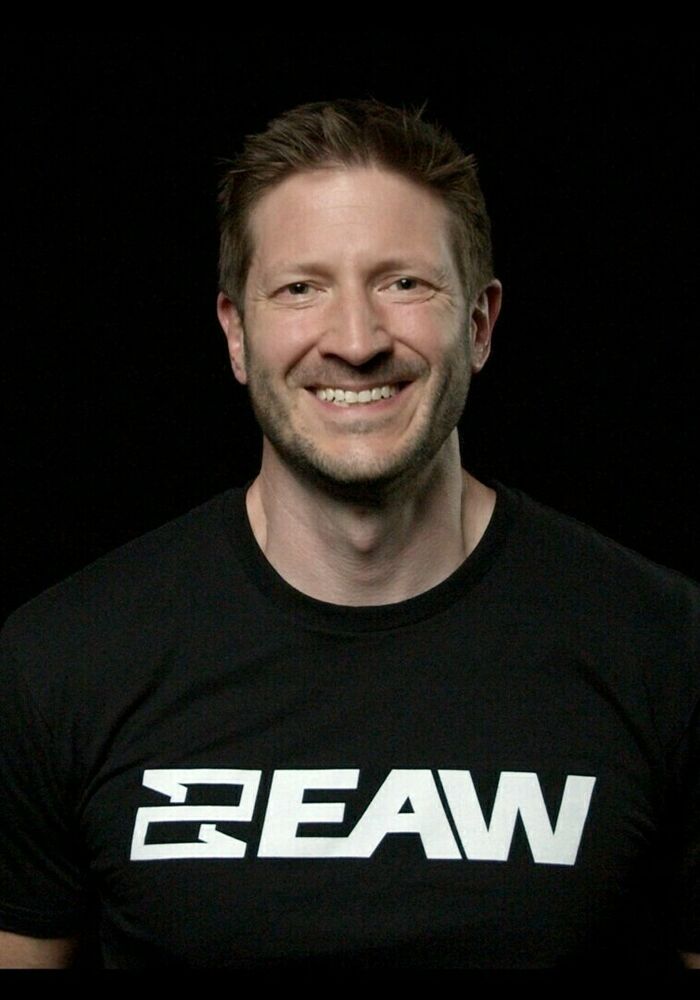



EAW (Eastern Acoustic Works) president TJ Smith joins Headliner for a frank and insightful chat about revitalizing the US loudspeaker giant, shifting perceptions of the brand, and what the future holds.
EAW was founded in 1978 by Kenneth Berger and Kenton Forsythe, and the Boston-based company quickly established itself as one of the biggest global players in sound reinforcement, earning a stellar reputation for both its products and services. However, at the turn of the millennium, the company merged with Mackie Designs and later became known as LOUD Technologies (later renamed LOUD Audio following acquisition by Transom Capital Group).
This marked a period of great challenges for EAW, with the company speaking candidly today about the changes to various aspects of the organisation during this time. These largely seemed to be based around cost-cutting measures that compromised service and quality in the eyes of customers. As such, its standing in the pro audio market took a tumble.
However, in 2018, Italian pro audio outfit RCF Group, headed up by industry veteran Arturo Vicari, purchased EAW and quickly set about restoring the values the company was initially built on. Aspects of the organisation that had previously been outsourced in the name of saving money were brought back in-house, while a renewed focus on product quality and integrity was implemented.
Today, the company is building a path back towards its pre-millennium status, seeking to become, as Smith puts it, “the No.1 North American loudspeaker brand.”
But how is EAW going to achieve that bold vision? Headliner sat down with Smith to find out…
Let’s start at the beginning. Talk us through the history of EAW. It’s a company with an eventful past. How has it arrived to where it is today?
EAW is a 45-year-old company. It was founded here in Boston and from then to the 2000s is what we call the Founders Era. The founders started the company out of a passion for live music and loudspeakers, and they developed great technology and products. They grew that up to the point where EAW was everywhere and probably the biggest professional loudspeaker brand in the world. But around 2000 is when the Founders Era comes to an end; that’s when the investment bankers show up and they take over the company.
That brings us to what we call the Investment Banker Era, and they did exactly what you expect investors to do. They weren’t from the industry and they didn’t really understand how it operates - they were just working on a thesis of getting paid back for their investment, and they typically do that through consolidation. So, they take different parts of the company, bring them together, and save money. We saw our services become consolidated, and the same with warehousing and logistics. I should stress, these weren’t bad things, they just aren’t brand building tactics. They weaken the brand and that’s what we saw. I would talk to people, and they felt very disappointed by EAW.
My story intersects EAW in 2016. EAW was founded in 1978, I was founded in 1977, so I literally grew up with the brand as a pre-teen. I was really into sound and always standing behind a mixing console when anybody would let me. I was aware of EAW; I had an EAW sticker on one of my school text books. All my friends made fun of me because they were like, what is EAW? But I knew I was cool even if they didn’t understand! I got myself an engineering degree, I spent some time at Harman as a design engineer and with some business leadership positions.
In 2016, the CEO of LOUD had come from Harman so we knew each other. He called me to say LOUD is done with EAW, they want to sell it, and did I want to come and help sell the company. I laughed and said, “what makes you think I’m the person to sell companies?” But I said I’d love to come and be a part of EAW even for a little while. The thesis was that in two years, the new owners will come in , they’ll have their own team, and then I’ll move on. So, two years later there was a new owner, except it wasn’t the owner we expected, it was another founder.