
Subscribe
Buyer's Guides

The 7 best metronomes: from pocket digital to heirloom mechanical

Ah, the metronome: for some, it’s a device that helps you master playing in time, for others, a source of PTSD that reminds them of their very strict piano teacher when they were younger. Either way, the humble ‘nome should not be overlooked. If you are planning to play with other musicians in a band, orchestra, or otherwise, being able to play in time should not be underestimated as an important skill. You don’t want to be the latest in line of musicians who cause a rehearsal drama because you were dragging or playing too fast.

Metronomes have been around for quite a while, with some claiming that they first appeared in the ninth century. Today, however, it’s tricky to choose the best metronome for your own purposes when there are loads of options at different budgets, and you will have to tackle whether to go for a digital metronome or one in the original mechanical style. And yes, to tackle the smartphone-shaped elephant in the room, you can just download a free app on your phone, but this article is for those who want a great product that won’t distract you with emails, news headlines, and social media notifications.

To help you make your decision so you can keep your life ticking over, we’ve whittled the best metronome quest down to seven excellent options, covering all budget options, digital, all-in-one tuners and time keepers, and the premium mechanical ‘nomes which double up as a beautiful mahogany heirloom on top of your piano or elsewhere. So, start that tick-tock, and let’s explore. Stick around for the FAQ at the end, where we’ll address whether you’re a digital or a mechanical metronome person.
Korg MA-2 Pocket Metronome

  • Pro: Incredible battery life; compact enough to live in any gig bag.

  • Con: Only offers a beep tone, which can be piercing.

That’s right, Korg don’t just make synthesisers worth hundreds and even thousands of pounds, but a budget metronome that can cost you as little as £/$15. And, as the name suggests, it fits right in your pocket! The MA-2 is the new and improved version of the Pocket Metronome, with a louder beep tone ensuring it can be heard, and a much larger and clearer swing display. The 400-hour battery life is a great insurance policy. If you need an ultra-affordable and portable mini option, then this is a solid choice.

VIEW PRODUCT


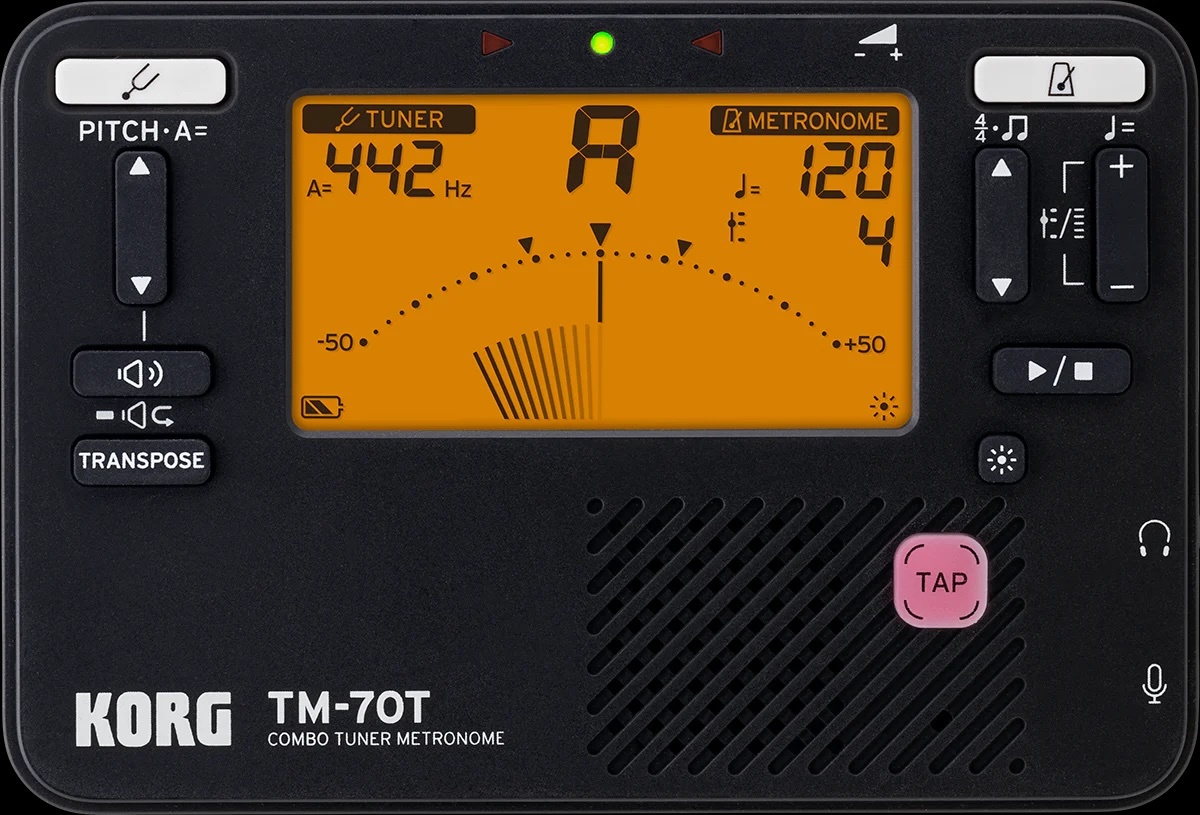
Korg TM-70T Tuner & Metronome

  • Pro: Two essential tools in one; allows simultaneous tuner and metronome use.

  • Con: Internal speaker can struggle to be heard over loud instruments.

Let’s give one more shout to Korg with not only one of the best metronomes, but one of the best tuners, all-in-one. This is one for the guitarists and instrumentalists that can’t resist the temptation of a portable companion that ticks lots of boxes and only costs approximately £/$40. The TM-70T has a perfectly visible and clear LCD needle meter on its screen display, and its detection range makes it suitable for all kinds of orchestral and contemporary instruments. An ideal rehearsal friend to have with you.

VIEW PRODUCT


Peterson BodyBeat Pulse Solo

  • Pro: Silent haptic feedback; works with any metronome app or device.

  • Con: Requires being tethered to a source via a 3.5mm jack.

We know that ‘wearable tech’ can sound like unbearable LinkedIn bro spiel, but hear us out on this one. Peterson’s BodyBeat Pulse Solo, another fantastic budget, sub-£/$40 metronome, is a clip-on device that gets your body pulsing. Not in an untoward way; once clipped up, you set the BPM on a connecting app (Peterson has their own, for example), and you’ll receive the tempo via physical vibrations. Peterson goes by the bold motto that ‘tempo should be felt, not heard’, and this is certainly true for those who want to ensure they’re playing in time in a live performance, and don’t want the audience to hear the ‘tick tock’ you’re relying on.

VIEW PRODUCT


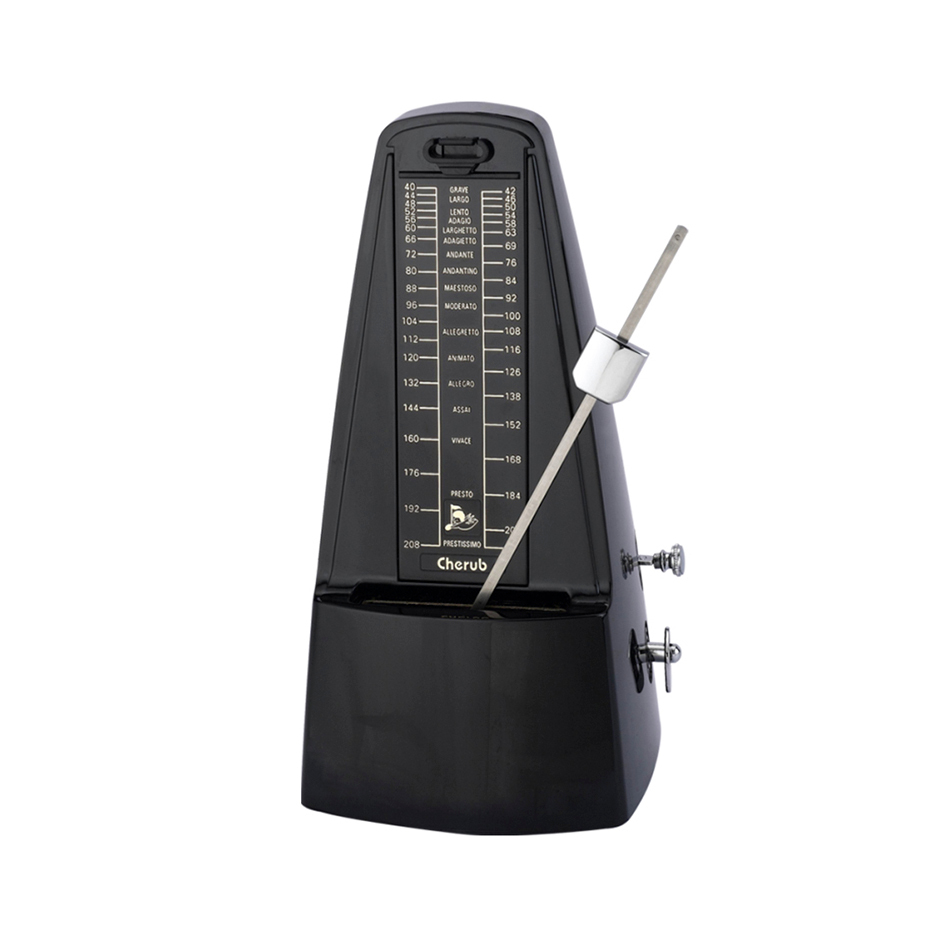
Cherub WSM-330 Mechanical Metronome

  • Pro: Authentic wind-up mechanism; includes a bell to mark the downbeat.

  • Con: Plastic outer casing doesn't feel as premium as solid wood alternatives.

Do you want the charm and delight of a mechanical metronome without the mega price tag? While the head honcho in the mechanical game, Wittner, does offer more budget-friendly metronomes, they are still more pricey and have fewer features than this lil Cherub. Costing only around £/$35-40, the key thing to note is that this one offers the classic bell and tock sound, which is very helpful for differentiating the first beat of a bar from the others. The Wittner Piccolo, for example, doesn’t have the downbeat bell. It also has that traditional swinging pendulum, which helps you visualise playing in time, also. The five-position bell that can be adjusted to accent the downbeat of various time signatures is a feature usually found on more expensive heirloom units. And while affordable, not needing batteries or electricity means it will outlast many of the digital items on this list.

VIEW PRODUCT


Walrus Audio Canvas Rehearsal

  • Pro: Pedalboard-ready; allows you to blend Bluetooth audio with your click.

  • Con: High price point for a utility that does not produce its own sound.

Here’s a metronome destined for the guitarist’s pedalboard. Effects pedal geniuses Walrus Audio are here to rev up your rehearsal, with a unit that’s packed with features. Rather than just hearing the click of your desired BPM, this metro-pedal also lets you hear all of the sound sources going on in your rehearsal when you connect via headphones, and it’s also a mini mixer, as you can adjust all the levels of yourself and others to your liking. The MIDI in and Thru allows you to integrate the metronome with any backing tracks or synths you might be playing along with, also.

VIEW PRODUCT


Boss DB-90 Dr Beat

  • Pro: Human Voice count; MIDI input for syncing with digital rigs.

  • Con: Large, heavy, and relies on batteries or an external power adapter.

The doctor will see you now. And if the traditional ticks of an old-school mechanical metronome sounds too square for you, then how about this metronome-meets-drum machine from Boss? The DB-90 has a massive array of high-quality drum patterns and rhythmic training functions. It includes a Note Mixing function for creating custom beats and a Rhythm Coach feature with a built-in microphone for tracking your accuracy. It’s also a good friend to external sequencers, syncing up via MIDI, so this is another ‘nome that is brilliant for both rehearsing and going out on stage.

VIEW PRODUCT


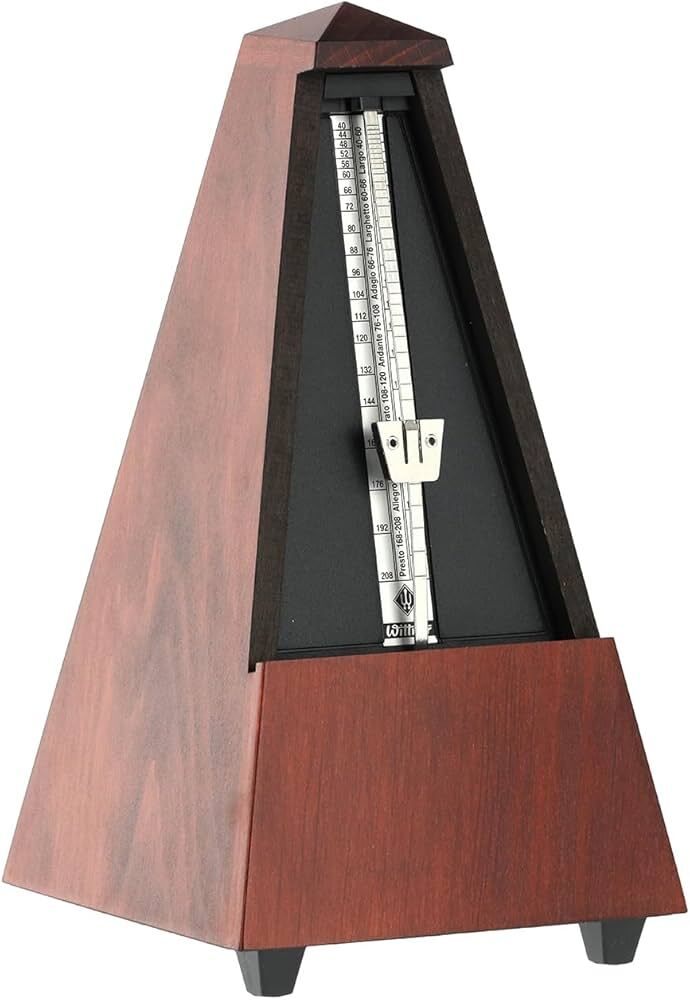
Wittner 811M Pyramid Metronome

  • Pro: Stunning solid mahogany finish; heirloom-quality mechanical "thwack."

  • Con: Not portable; requires a perfectly level surface to function correctly.

Our seventh and final wonder of the metronome world comes from Wittner. Some might call this the definitive metronome, and it really isn’t over the top to call this a truly stunning piece of German workmanship. £/$200 isn’t likely to be anyone’s idea of an affordable metronome, but with Wittner’s marvellous mahogany wood-crafted finish, you’re also getting a conversation piece heirloom that looks particularly wonderful atop a piano. Wittner do have more budget-friendly versions, like the Piccollo, but it’s important to note that one doesn’t have the trustworthy ‘bell-tick’ that the Pyramid does, hence why we opted for the Cherub earlier. You’re not paying for a feature-packed device, but aesthetics aside, the bell can be set to 2/4, 3/4, 4/4, or 6/8 time, chiming on the start of each bar. If you’d rather just have the ticks and no bell, you can disable it. Another reason to make the investment is its longevity — this is the Swiss watch of the metronome world, with no battery or electrical parts that will eventually die. It’s built to last, just like those pointy things in Egypt it’s named after.

VIEW PRODUCT


Should I buy a digital or mechanical metronome?

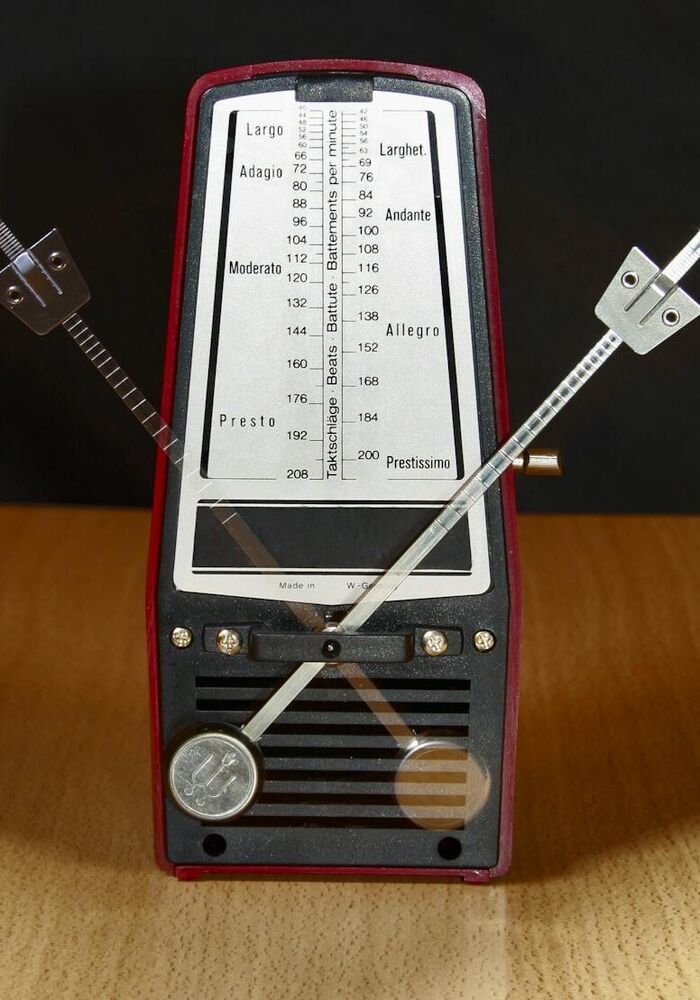
There’s no easy answer here, as both have a list of pros and cons. Most digital metronomes tend to sit more in the affordable spectrum of pricing. The digitals tend to have more features, especially as you spend a bit more, often doubling up as tuners and mixers also. That said, mechanical metronomes, like those from Wittner, could not do the job of helping you keep time more perfectly. The stereotype is that classical-type musicians will probably gravitate more towards mechanical, while guitarists and electronic musicians often prefer the digital.

Another consideration is longevity — take it from someone who recently switched to an old-fashioned safety razor for shaving after having yet another electric shaver stop working, and is unlikely to go back. The batteries and innards, even from the most expensive digital metronomes, will likely eventually give up, and sometimes the price of repair is more than buying a new unit. Mechanical ones like the Wittner Pyramid are not tethered to any electronics and are built for a very long lifespan.