Subscribe
Buyer's Guides

The best field recorders 2026: the best portable recorders for music, sound design, foley, and more

If you’re looking to record sounds and audio outside the safe confines of your home or a recording studio, it’s time to make one of the best field recorders your best friend. But if your first thought is: ‘But doesn’t my phone do that?’ — yes, it does, but you can also expect to pick up all the noise from wind hitting the mic, and that dreaded phone demo sound. While the mics on smartphones have improved, you can’t really rely on them to get professional recordings out and about.

That’s where a dedicated handheld recorder for musicians comes in. They have so many use cases: Foley art for film and television, compiling sounds for your music out in the city or in nature, journalists use them to record interviews, and lots more.

The best field recorders are even of sufficient quality for recording music in certain situations — say if you’re recording a bit of guitar or piano while out on location. Not to say you can entirely replace a recording or home studio with professional mics with them, but it’s great to know you can record pro audio in non-studio scenarios. And when you hear artists who use a lot of source sounds for their samples and experimental elements of their music, you can bet it was done with one of the below handheld recorders.

Best of all, the competitive field recorder market means there’s a great one with your budget’s name on it. We’ll start with the most reasonably priced and work up to the most premium recorders. Let’s play the field!
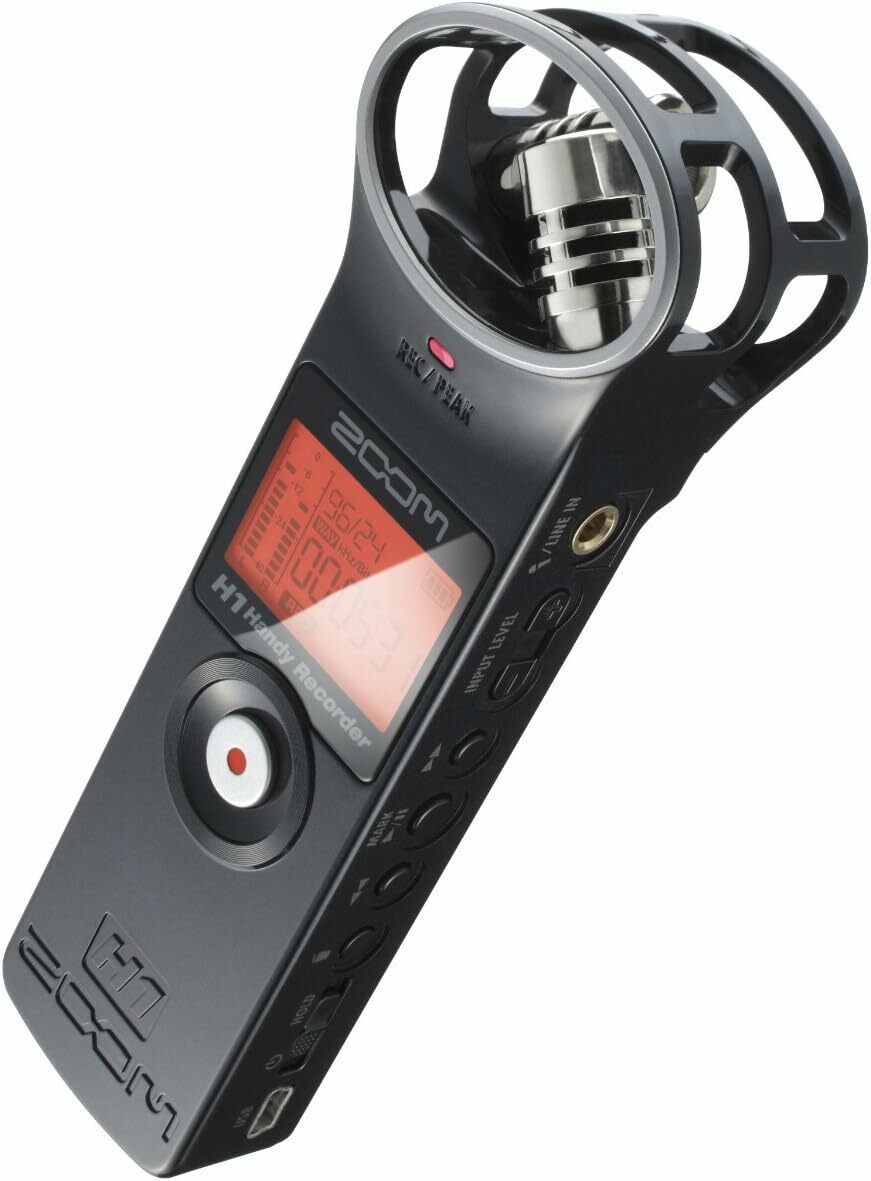
Zoom H1 Essential

Pro: Incredibly compact, 32-bit float recording (Virtually impossible to clip).

Con: Less robust built-in mics; no external XLR inputs.

If you’ve ever given even a moment’s thought to what the best field recorders might be, I’d wager a decent sum of cash that the word Zoom came up for you. No, we’re not talking about the software that lets you have a meeting with Simon from finance when you’re working from home. Zoom is truly one of the leading brands for field recorders, and they offer a very broad range at different prices, with the H1 Essential being available for less than £/$100.

You couldn’t ask for a better entry point for field recording — it’s as compact as they come, very user-friendly, and recently added 32-bit float recording. If that means nothing to you, it basically means the dynamic range is much wider making gain control less critical. In post production, this is huge as very loud sounds are much less likely to be distorted, and quiet sounds can be increased in volume later without adding noise. The USB not only enables transferring your audio files onto your computer, but also to use the H1 as a USB microphone, which is pretty neat.

VIEW PRODUCT


Tascam DR-05X

Pro: Affordable, user-friendly, solid stereo mics for the price.

Con: Plastic build feels less durable; no XLR inputs.

Another recognised brand name in the best field recorder arena is Tascam, and the DR-05X could be the doctor that heals all your outdoor recording issues. Another brilliant sub-£/$100 option, it’s a huge upgrade on the microphone found at the bottom of your smartphone. The DR-05X offers high-quality stereo condenser mics while keeping everything as user-friendly as possible. This journeyman is perfect for recording music rehearsals and demos, interviews, or capturing the sounds of the world around you without breaking the bank.

VIEW PRODUCT


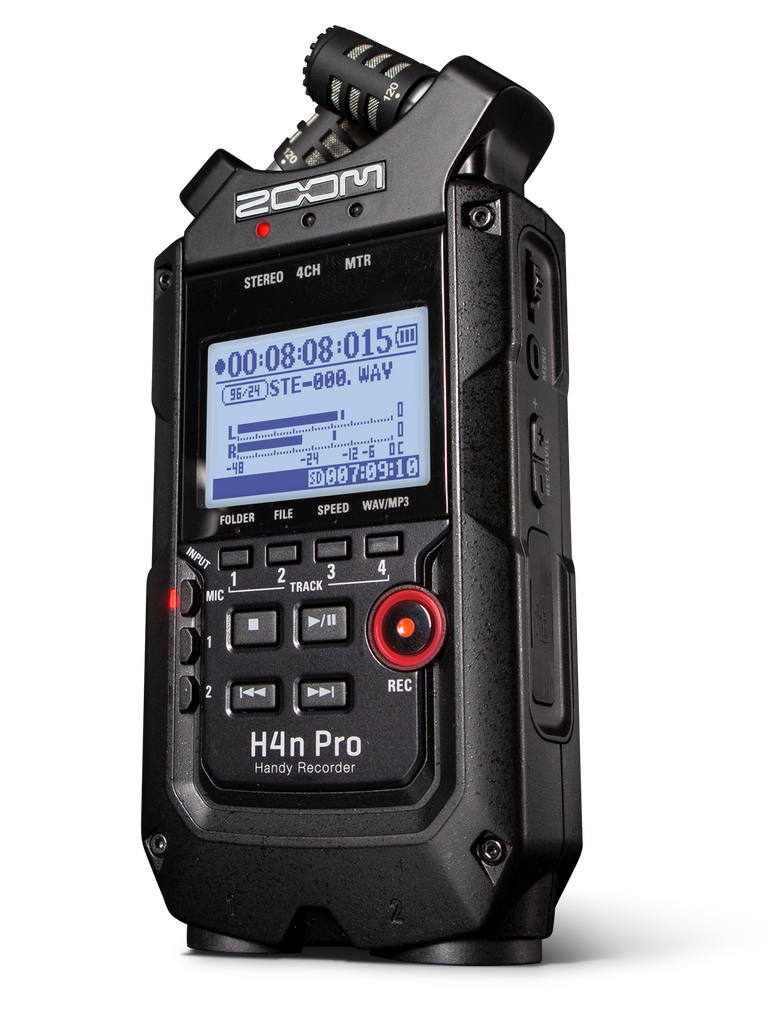
Zoom H4n Pro

Pro: Versatile with two XLR inputs; adjustable stereo mics (90°/120°).

Con: Dated user interface; short battery life with phantom power.

Be warned that Zoom will come up a number of times in this best field recorder list, and with very good reason. While only being a relatively small jump in price from the H1 Essential, the H4n Pro delivers two XLR inputs with phantom power, allowing you to connect external microphones. The built-in X/Y stereo mics can be adjusted between 90 and 120 degrees, so it’s a very versatile device for wide-field or more tight-focussed field recordings.

VIEW PRODUCT


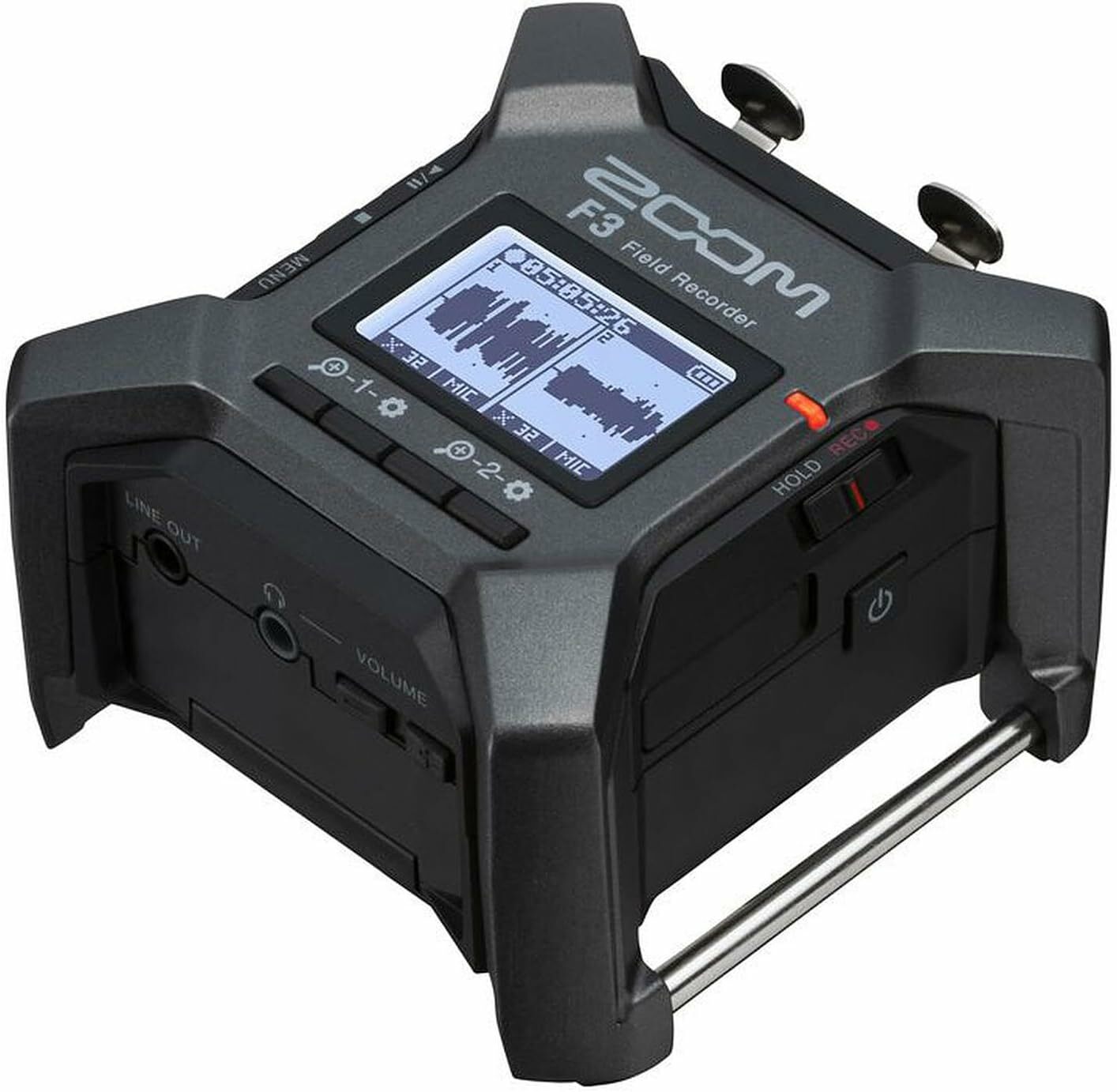
Zoom F3

Pro: Professional 32-bit float in a tiny, rugged body; no gain worries.

Con: No built-in mics; requires an external microphone setup.

As Zoom put it beautifully themselves, the F3 “Effortlessly captures the quietest raindrops and the loudest explosions.” In typical style from the company, it’s far too portable for a device that captures audio so brilliantly. And, again, there’s no need to worry about fumbling around with unnecessary features; it does its two-channel device job with aplomb and not overcomplicating matters. The 32-bit float recording means you can confidently go after both the quietest sounds, ranging up to the loudest bangs — just remember to stand at a safe distance if it’s a real explosion.

VIEW PRODUCT


Tascam Portacapture X8

Pro: Large touchscreen; easy-to-use presets for different situations.

Con: Quite bulky; less convenient for on-the-fly portability.

The earlier second entry from Tascam wasn’t the last word from the field recording company — here is the Portacapture X8, one of Tascam’s most premium field recorders. The large colour touch screen ensures a stunning experience as you head outdoors to record, and helps you quickly select the optimal settings and presets for your recording job. That said, the manual version of its app means you can get as ‘under the hood’ as you wish with all the settings.

VIEW PRODUCT


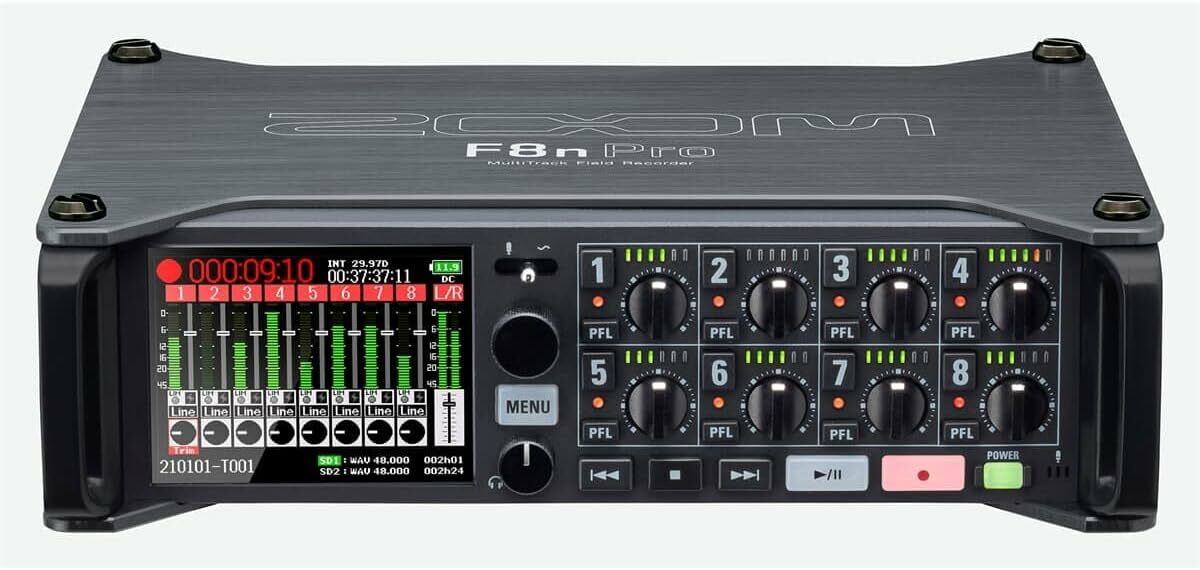
Zoom F8n Pro

Pro: Eight XLR inputs; 32-bit float recording for multi-channel pro use.

Con: Complex and expensive for beginners.

One last shout from Zoom, and as you can see, this is a pretty serious piece of kit. So far, we’ve mainly looked at the best portable and handheld recorders for musicians. But Zoom’s F8n Pro is a heftier field recorder for the serious sound designers out there. In fact, if you’re tasked with capturing cutting-edge sounds for the film and television industry, then you can absolutely count on the ‘Pro’ in the title. This recorder offers 8 inputs and 10 tracks, and the 32-bit float technology is able to capture even the most complex sounds you encounter on your travels. It also boasts excellent preamps and a WAV format up to 192kHz.

VIEW PRODUCT


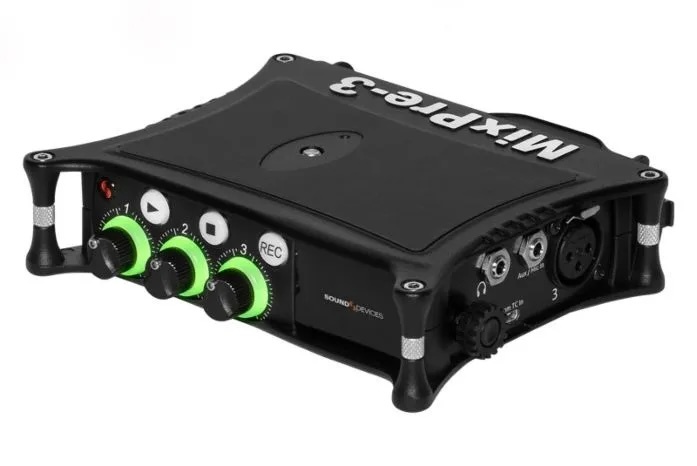
Sound Devices MixPre-3 II

Pro: Professional-grade Kashmir preamps; 32-bit float; very durable.

Con: Higher price point; limited to three channels.

It’s time for a new kid on the block, so let’s welcome Sound Devices to this best field recorder compendium. It’s another name trusted by countless sound professionals the world over. The MixPre-3 II is known for its pristine audio thanks to high-quality Kashmir preamps and that vital 32-bit float recording. Comfortably one of the best recorders for music, but also for indie filmmakers and sound designers.

VIEW PRODUCT

WINNER: The Sound Devices MixPre-3 II. This compact field recorder uses high-grade Kashmir microphone preamps and 32-bit float recording, ensuring pristine sound quality even in demanding environments. With multiple inputs, intuitive controls and professional build quality, it’s a versatile choice for sound designers and filmmakers. - Headliner Awards


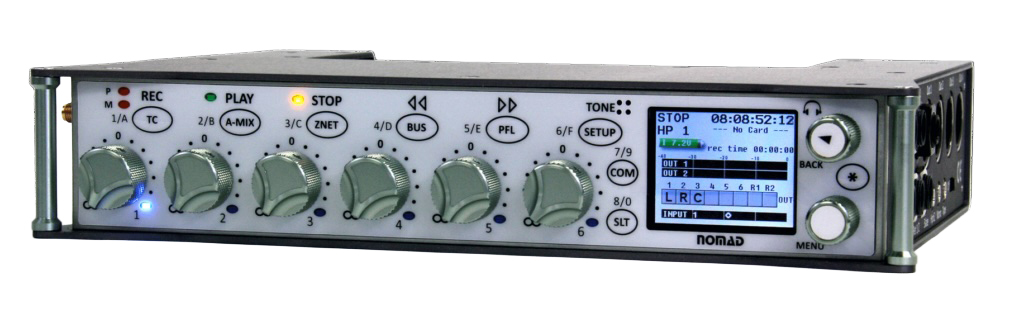
Zaxcom Nomad

Pro: All-in-one professional multi-channel mixer/recorder; wireless options.

Con: Expensive; steep learning curve for non-professionals.

If you’re happy to splash over a grand on one of the best field recorders out there, then here is an exceptional option for those of us who are nomadic when it comes to getting out and recording sound. Zaxcom’s Nomad comes with a brilliant digital mixing engine, meaning you can count on no noise or distortion on your field recordings. It can also work with a greater dynamic range than field recorders using analogue mixing (not a problem if an analogue recording sound is your preference, of course). Another handy feature is that the mixing functions are automatically cross-faded, which eliminates those common pops and clicks in recording.

VIEW PRODUCT


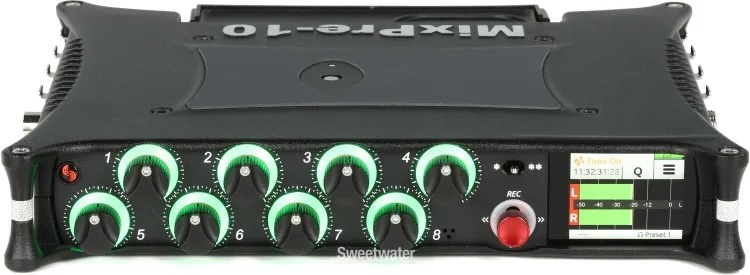
Sound Devices MixPre-10 II

Pro: Eight stellar Kashmir preamps; professional features like timecode.

Con: Very high cost; advanced features are overkill for most users.

Another great option for the field recording musicians and sound designers out there who don’t bat an eyelid at dropping at least a cool grand on their portable recorder. We close this list with one more device, the MixPre-10 II from Sound Devices. This fella brings not one, but eight ultra-low-noise Kashmir microphone preamps, plus adjustable limiters to help capture the highest-possible audio on set or in your favourite field. It has a 10 x 4 portable mixer, and the power to record up to 12 tracks saved to an SD card, and a USB thumb drive connectivity. Like the Nomad above, it ain’t cheap, but when the quality is this absurdly high, it’s to be expected.

VIEW PRODUCT


What to use field recorders for

The beautiful thing about the best field recorders is the multiple purposes they can serve and how multifaceted they are. For musicians, the first thoughts might be going out into the city or nature to capture sounds for samples and sound design. People in the film and TV industries might be thinking of recording actors’ takes on set. This also leads to the area of Foley sound effects for film, TV, and video games — whether that be a creaking door, footsteps, or more creative uses. For example, the unmistakable roar of Chewbacca of Star Wars fame was created by splicing recordings of four bears, a badger, a lion, a seal, and a walrus.

They are also invaluable for journalists and podcasters recording their conversations and interviews out and about. There’s the practice of bioacoustics, in which scientists study sounds made by animals for research. And going back to music, they are excellent for demos, or even recording music on occasions where it would be tricky to bring a full recording setup — the field recorders above are up to the task.