
Subscribe
Music News

ADE 2025: How AlphaTheta is championing women, LGBTQIA+ and POC DJs with Boudica, Homecoming & Future Female Sounds

For five years, Start From Scratch has been quietly reshaping who gets to step behind the decks. What began in 2020 as AlphaTheta’s initiative to widen access to DJ culture has grown into one of the most impactful grassroots education programmes in electronic music – offering free, community-led workshops to women, LGBTQIA+ creatives, people of colour, and anyone historically pushed to the margins of the scene.

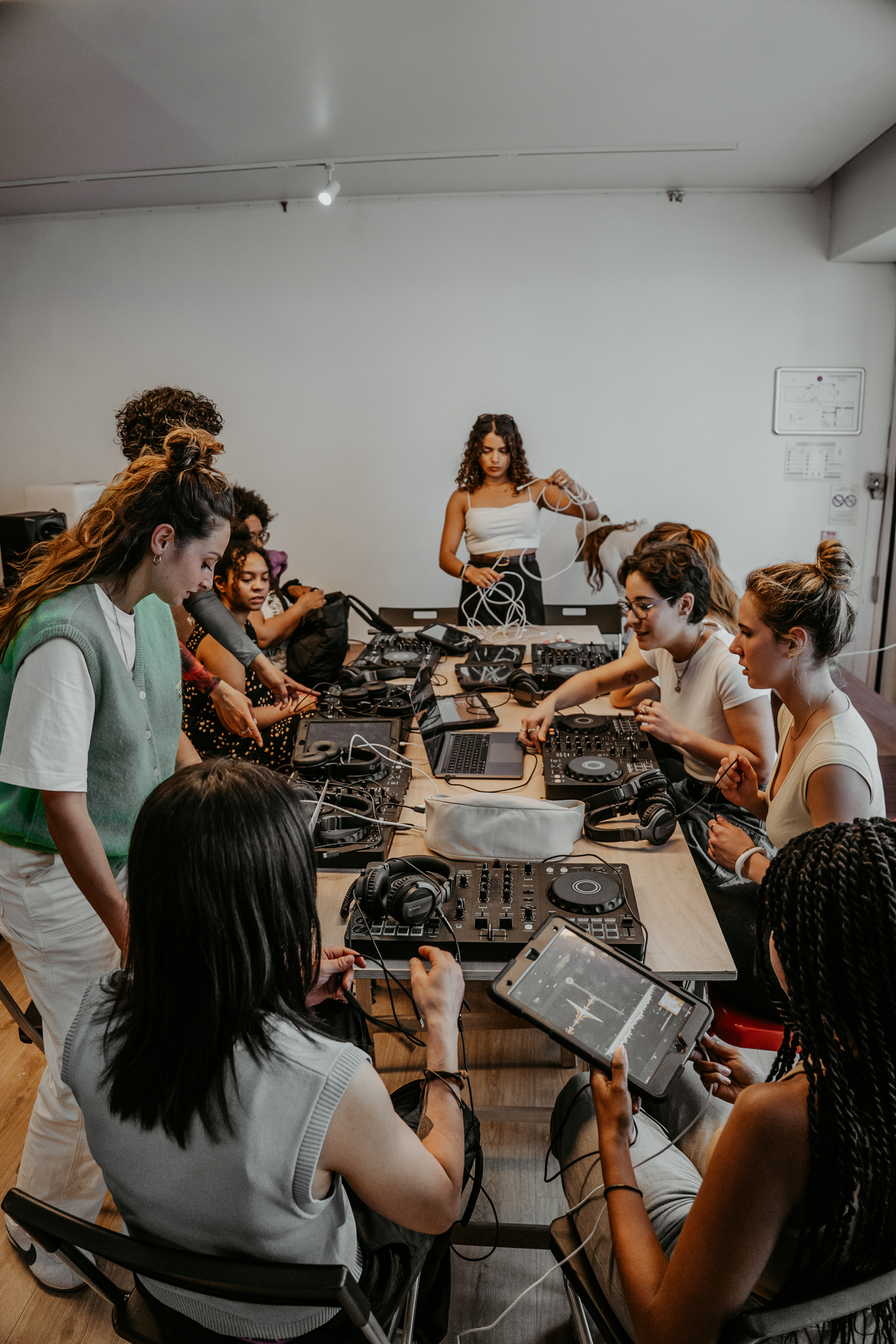
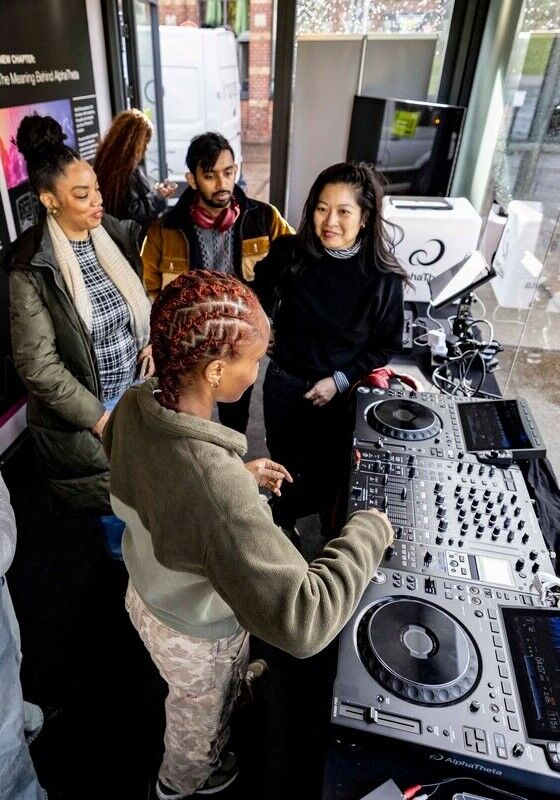
This year, that mission was amplified on its biggest stage yet. At ADE – where half a million people gather to define the future of electronic music – AlphaTheta celebrated the programme’s anniversary by bringing all three of its community partners together for the first time. Future Female Sounds, Boudica, and Homecoming – each a vital force within their own ecosystems – united to deliver a full day of workshops built on visibility, accessibility, and the simple belief that anyone should be able to start their DJ journey with nothing but curiosity.

It marks a new chapter for Start From Scratch: a streamlined, community-first model where each workshop is led by collectives who live and breathe the cultures they represent. From women and gender-diverse talent, to LGBTQIA+ communities, to Black and POC creatives, these organisations have spent years building safer spaces, shifting narratives, and dismantling barriers across Europe and beyond.

At the world’s most influential electronic music gathering, they took that work to a global audience, proving that the future of DJing – and the future of club culture – is being shaped not behind closed doors, but in accessible spaces where new voices are finally being heard.
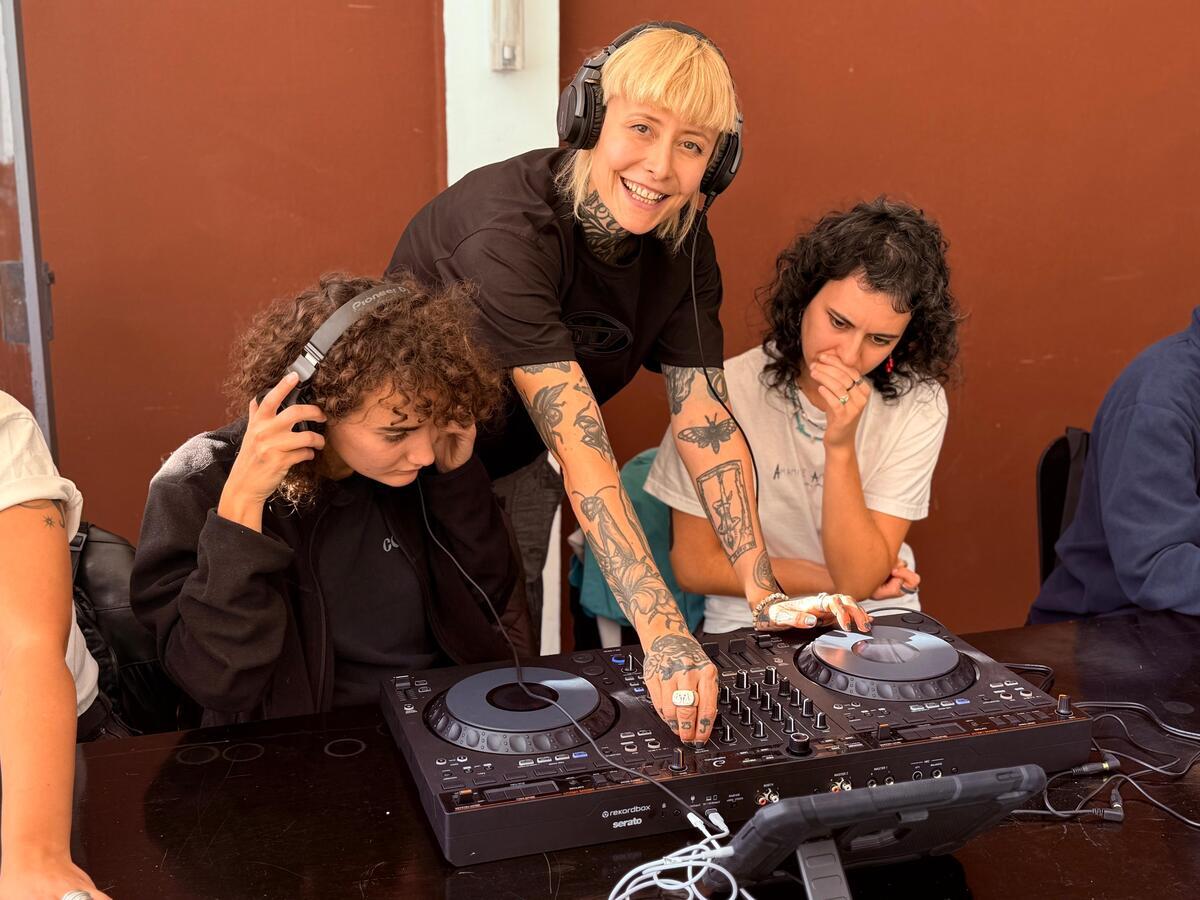
AlphaTheta doesn’t just talk about supporting diversity; they put their resources and energy into it.

Boudica: Empowering FLINTA+ and LGBTQIA+

Boudica, founded in 2019, is an organisation that empowers FLINTA+ and LGBTQIA+ communities through a platform spanning a record label, a series of international events, and educational initiatives, including the annual Boudica Music Conference. Boudica’s founder, Samantha Togni, shares why she founded a platform giving visibility to women, trans+, and non-binary people in music.

This year, Boudica led the Start From Scratch workshops for the LGBTQIA+ community at ADE. How did it feel to bring this initiative to one of the world’s most important electronic music events?

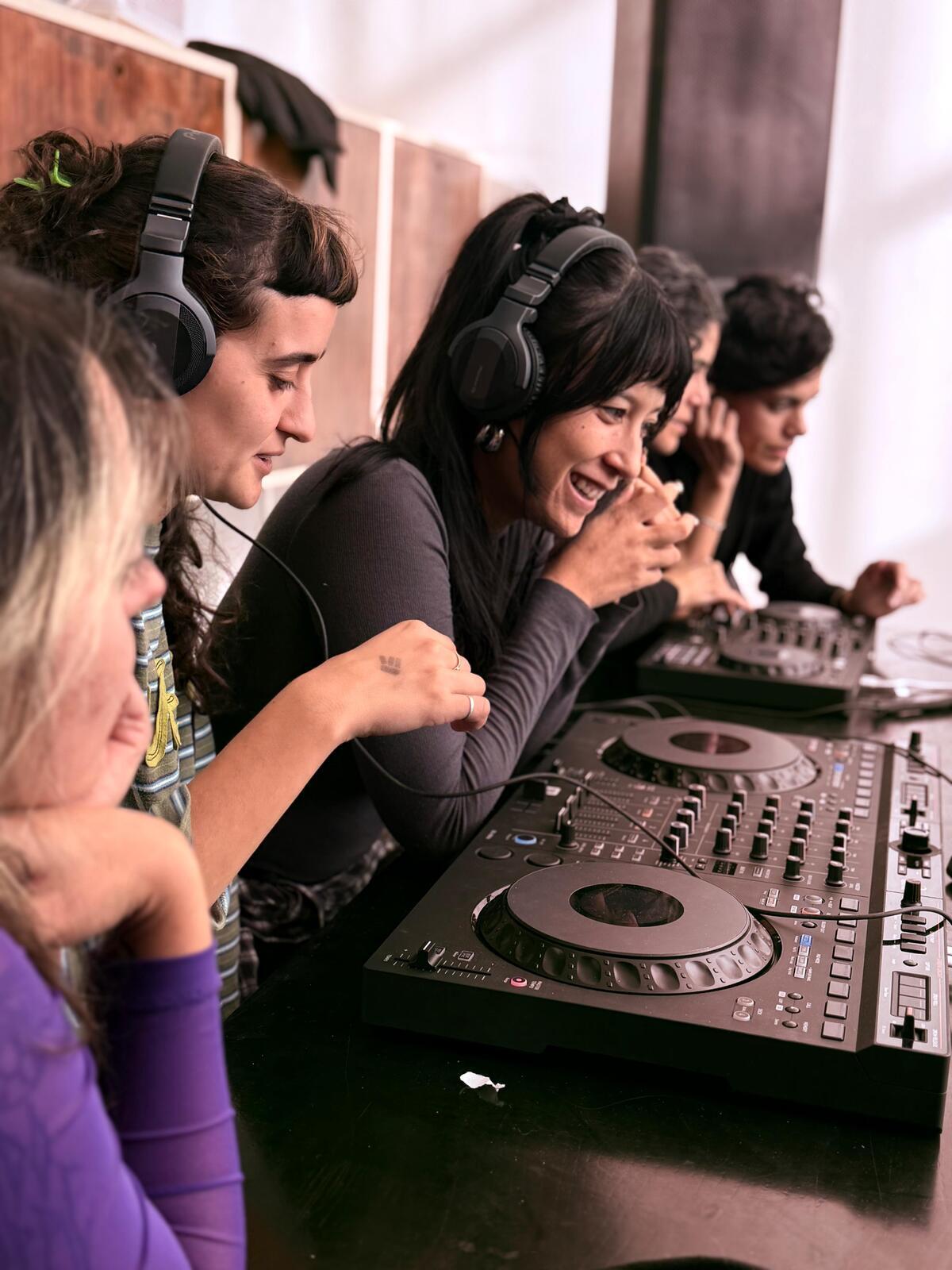
Bringing the Start From Scratch workshops to ADE was incredibly rewarding. For Boudica, it’s all about creating safe and empowering spaces where women, trans+, non-binary and LGBTQIA+ individuals can explore electronic music without barriers. 

ADE is such an institution, being able to provide a platform for underrepresented voices in that context felt like a big step towards a more inclusive music world.

ADE is known as a global hub for innovation and connection in electronic music. What makes it a meaningful space for initiatives like Start From Scratch and collectives like Boudica?

ADE is such an exciting time of the year because it brings together the global electronic music community in one city. For Boudica, this makes it an ideal platform to showcase what we stand for and the work we have done as an independent platform. 

Initiatives like Start From Scratch thrive in spaces where creativity, experimentation and collaboration are celebrated, but it's essential to have key players like ADE to amplify that. It allows us to not only inspire new artists and music lovers, but also other organisations, collectives and established initiatives who share our vision for a more diverse and equitable scene.

Why is it important that ADE and AlphaTheta are creating these kinds of accessible, community-led educational spaces within such a major industry event?

Electronic music should be accessible to everyone, regardless of gender, identity or background. These initiatives ensure that no one is left behind and that everyone has the opportunity to learn, explore, and contribute to the scene. 

Initiatives like Start From Scratch show that inclusion isn’t just a buzzword; it’s a practice, and by providing these spaces at such a major industry event, we’re sending a message that all voices matter.

Electronic music should be accessible to everyone, regardless of gender, identity or background.

You founded Boudica in 2019 as a platform giving visibility to women, trans+, and non-binary people in music. What initially inspired you to start it?

Boudica was about turning frustration into action. I've seen so many talented women, trans+ and non-binary artists, struggle simply because society undervalues them or doubts their abilities. Especially those from a lower socio-economic background. 

Starting Boudica was a way to give them a platform and create a community where these people are put on the front cover. It’s incredibly rewarding to see the impact it has, knowing that we’re helping people reclaim space in a world that often tries to tell them they don’t belong.

Boudica has grown into a multifaceted project, with a record label, international events, and the annual Boudica Music Conference. How do these different elements connect under one vision?

All the different parts of Boudica, from the record label to the events and the annual conference, are connected by the same vision: creating spaces where women, trans+ and non-binary people can fully express themselves, learn and thrive. 

We believe you can party and have fun while also learning and building community. It’s the perfect combination of joy and purpose. Boudica allows people to step outside societal expectations, to experiment and to see that there’s room for both celebration and growth.

How does Boudica’s approach – combining visibility, education, and performance opportunities – help to dismantle those barriers?

We tackle barriers from multiple angles. Visibility shows the world that women, trans+ and non-binary people belong at every level of the industry. Education gives them the skills and confidence to take up space and innovate. Performance opportunities provide the stage to be heard and recognised. 

Together, these elements create a 360 loop of empowerment when people see themselves represented, gain the tools to grow and are given platforms to shine, systemic barriers start to break down.

The spaces you’ve hosted workshops in – from Tate Modern and ICA to clubs like FOLD – span both cultural institutions and underground venues. Why is it important to bridge those worlds?

For me, it’s about giving people access to experiences they might not otherwise have. Seeing someone who’s never been inside a place like the Tate or ICA get hands-on with music production or DJing is incredibly powerful. 

At the same time, bringing the same energy to clubs like FOLD reminds us that the underground is where experimentation and freedom thrive. Connecting these worlds shows that we are bigger than any one venue or scene and that no one should feel excluded from either side.

I’d seen so many talented women, trans+ and non-binary artists struggle because society undervalues them.

Boudica has collaborated with Start From Scratch since 2022. What first drew you to this partnership?

It was their clear commitment to inclusion and community. Their values align closely with Boudica’s, giving space, tools and support to underrepresented artists in electronic music. What we really admire is that a company like AlphaTheta doesn’t just talk about supporting diversity; they put their resources and energy into it, and they just do it. That kind of commitment and energy makes meaningful partnerships possible and helps create real, lasting change in music.

These workshops don’t require any prior experience. How does that inclusive, open-door approach shape the atmosphere and outcomes of each session?

Every session fills us with joy and inspiration. You can feel the excitement in the room as people discover something new, share their favourite DJs, tracks, or dancefloor memories and connect. 

Those moments are truly special. It's not just about learning a skill, but also about celebrating music, building connections and feeling included. Seeing everyone engage with such openness and happiness reminds me why we do this work.

What kind of impact have you seen from the programme, both personally and through the participants’ growth or feedback?

We run workshops in so many cities, some of which are less inclusive or have fewer spaces where women, trans+ and non-binary people feel safe and supported. In those places, participants are especially appreciative just to have a space to be together, explore music and connect. It's the biggest joy for us to have people coming to us at the end of the workshop, talking about how empowered they felt during the session and seeing their smiles. 

At the last workshop we ran, at the end of the workshop, they created a WhatsApp group to stay in touch, make plans to go clubbing together and talk music. That was so amazing. I’ve also seen so much curiosity and excitement towards DJing, many people get so into it that they run to the nearest store, buy a controller and send us a picture right away. It’s amazing to see that enthusiasm and how quickly people dive in, and it’s truly incredible to witness their growth and joy firsthand.

If you could give one piece of advice to a young LGBTQIA+ person thinking, “I’d love to DJ, but I don’t belong in that world,” what would you tell them?

There's a place for you at the table. Take a seat and have fun.

What’s next for Boudica, and how do you envision its role in shaping the future of electronic music and culture?

2026 is packed for us with festivals, club nights and a big focus on growing our record label. But most importantly, we’ll keep fighting to empower the unheard. We want to make sure that when people look at the conversation, the line-ups or the stages, they feel like, ‘That could be me too.’

Homecoming: Empowering POC

Founded in 2017, Homecoming is a cultural platform connecting Africa with the world through music, fashion, art, and community. Its mission is to celebrate African creativity while building long-term cultural infrastructure that supports talent, fosters collaboration, and inspires future generations. Homecoming’s founder, Grace Ladoja, explains how the organisation is amplifying Black and POC voices in the DJ space.

Homecoming took the lead on the Start From Scratch workshops for Black and POC creatives at ADE this year. How did it feel to bring your community and vision to such a huge international platform?

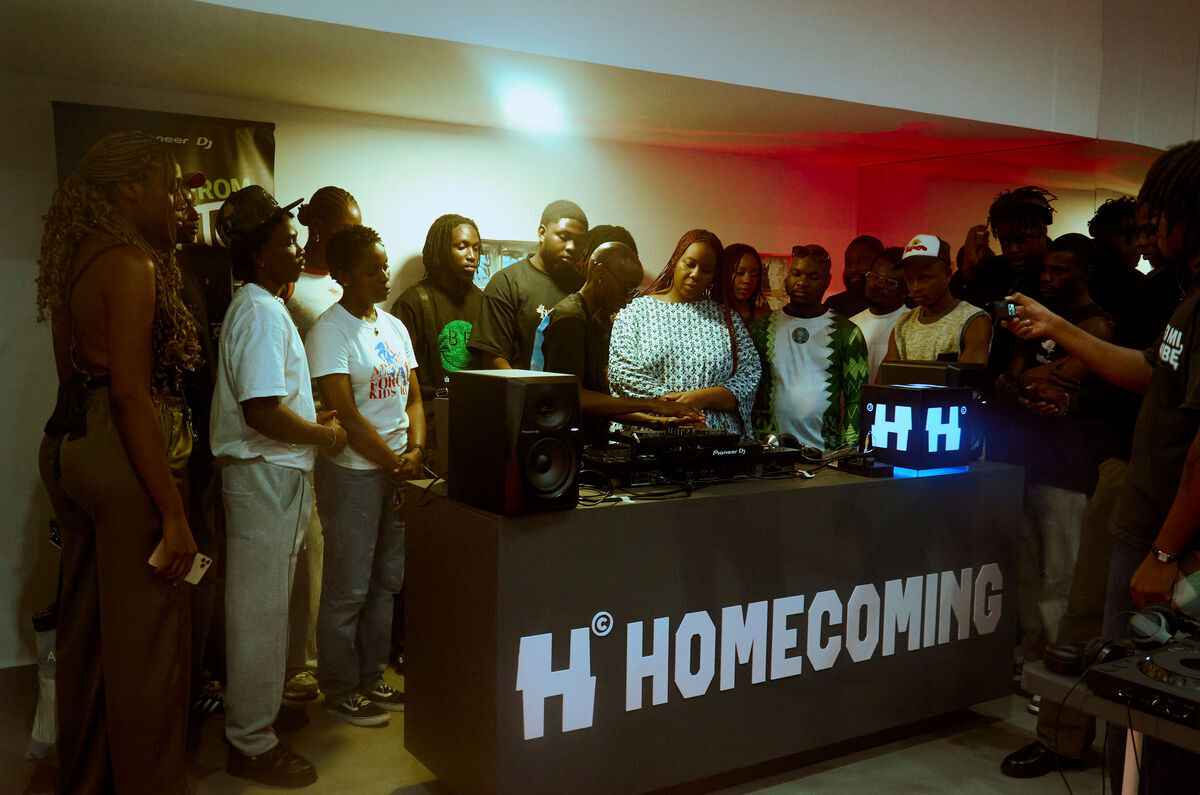
It felt powerful to bring our community to a space like ADE. ADE brings together some of the most important people in electronic music, and having our community represented there was a reminder that change is coming. Seeing young people from across backgrounds behind the decks learning with confidence, that’s the real measure of progress.

ADE is often described as the most influential gathering in electronic music. Why do you think it’s important that programmes like Start From Scratch are part of that ecosystem?

Representation and access need to go hand in hand. ADE is a space that shapes the future of electronic music, so if Black and POC voices aren’t in that room, decisions about culture are being made without the people who created and inspired it.

What makes this partnership between Homecoming and AlphaTheta such a natural fit?

We both care about community and the future of music. AlphaTheta creates the tools; we create the spaces for people to use them. Together, we’re helping young DJs access opportunities that can change the paths of their lives. It’s a shared belief in giving people the means to create.

You founded Homecoming in 2017 to connect Africa with the world through music, fashion, art, and community. What inspired you to create it?

I’m British-Nigerian and grew up in London, and didn’t go to Nigeria until I was in my 20s, when my mum passed away. When I made that journey, it was this incredible feeling of coming home, and so I wanted to create a festival and a platform that created easy access for other people from the diaspora to find their way home too, through culture as a starting point, while also creating a route for African artists and creatives to amplify their voices on the global stage.

Gatekeeping has defined electronic music for too long. Access shouldn’t be about who you know or how much equipment you can afford.

How would you describe what Homecoming stands for today?

One of the things I’m proudest of is the number of firsts we’ve achieved. We broke the Nigerian jersey through culture, creating a global shift. We discovered artists like Slawn, Soldierboyfriend and more. 

We’ve platformed artists and creatives early in their careers, like Rema’s first live performance at our festival in 2019, we’ve brought artists to the continent for the first time, like Central Cee in 2022, and we’ve brought global brands to activate in Nigeria for the first time, which has led to huge investment in the creative community.

You’ve built a bridge between the continent and its diaspora, creating space for exchange, collaboration, and celebration. Why do you think that connection between Africa and the wider world is so vital right now?

Africa has the youngest youth population in the world, and by 2030, 42% of the world's youth will be African, and they will have a lot of power. The world knows that there’s so much creative innovation and talent coming out of Africa, but the next hurdle is making sure, through ownership and archiving, that Africa and Africans are benefiting from the creative economy.

How has Homecoming evolved from its early days into this global platform that now includes education, workshops, and mentorship alongside events and performances?

Homecoming has included talks and workshops from day one, and it’s been really organic for us to continue growing this over time, with the amazing established talent from our community contributing to engage with the next generation of creatives.

if Black and POC voices aren’t in that room, decisions about culture are being made without the people who created it.

Start From Scratch was created to give free access to DJ education for underrepresented communities. Why is that kind of access and visibility especially important for POC talent in electronic music?

Gatekeeping has defined electronic music for too long. Access shouldn’t be about who you know or how much equipment you can afford. For so many Black creatives, the talent is there; what’s missing is infrastructure. Start From Scratch creates that entry point, offering tools, mentorship, and space to grow. When you change who has access, you change what the future sounds like.

What impact have you seen from the programme so far, both on individuals and on the wider perception of African and diasporic creativity in electronic music?

Confidence. You can see it in the way people approach the decks after a few sessions, how they hold themselves, how they talk about what they want to do next. It’s small moments like that that show you something is working.

This year, Start From Scratch partnered with three collectives: Future Female Sounds, Boudica, and Homecoming; each representing a different community. How do you see the power in this kind of community-led collaboration?

It’s everything. Change only happens when communities come together and share knowledge. Each collective brings its own perspective and lived experience, and when you combine that, you create something much bigger than any one of us. Collaboration builds sustainability. It means the work can continue beyond one event or one organisation.

For the young people attending your workshops – many from underrepresented backgrounds – what does it mean for them to see themselves reflected both behind the decks and in leadership roles like yours?

Representation is powerful, but reflection is even more powerful. When they see someone who looks like them not only playing but leading, teaching, and creating, I think it rewires what they think is possible. That visibility plants something lasting.

Future Female Sounds: Empowering Women

Founded in 2017, female-founded Future Female Sounds is a non-profit organisation, community, and booking agency on a mission to make DJ culture accessible to girls, women, and gender minorities globally. Tia Korpe, founder and managing director of Future Female Sounds, explains how she’s making space for female and gender minority DJs in the music industry.

This year, Future Female Sounds hosted Start From Scratch workshops for women at ADE. How did this collaboration with AlphaTheta and ADE come about?

We partnered with AlphaTheta in early 2025 to join forces in amplifying our impact on training women and gender expansive aspiring talent DJing in a safer space. Future Female Sounds has been using AlphaTheta products since the very beginning of our DJ Workshops and in our DJ academies, so it was a very natural fit to collaborate with AlphaTheta as we align on the Start From Scratch programme mission, and we were able to get a wider reach to communities in other countries.

ADE is known as one of the most influential gatherings for electronic music globally. How does being part of ADE amplify the mission of Future Female Sounds?

Being part of ADE creates new circles of networks, and having a set place this year at the AlphaTheta container at ADE was perfect, as it gave us visibility to new communities and people in the electronic music industry.

The Start From Scratch programme focuses on providing access to DJ education for underrepresented communities. Why do you think this kind of access is so crucial right now?

Access to education and resources, especially hands-on decks, has always been crucial for anyone looking to learn the art of DJing, but I think it's especially important in these times, where financial roadblocks to unleashing creativity and talent are very real for a lot of young people, especially those coming from underprivileged backgrounds.

You founded Future Female Sounds back in 2017. Was there a moment in your own career when you realised how powerful it can be to see yourself represented behind the decks?

In the summer of 2017, when I was working at Northern Europe’s biggest music festival, I observed and documented as an equality consultant, the stats of gender diversity on the music festival’s line-up, and beyond observing how few women and non-binary main acts, musicians or singers there were, it was striking how few women DJs were booked. 

Not only by the festival itself, but by the acts themselves, including many women performers, who were all backed by male DJs. It made me realise, that lack of visibility in itself, holds such power over the influence of what we perceive as ‘normal’ or the standard in which we engage with pop culture and fandom, and especially how young girls, women and gender diverse individuals, lack public role-models to help shape their understanding and belief that “I can be a successful DJ too”.

It was striking how few women DJs were booked. That lack of visibility holds such power over what we perceive as ‘normal’.

How would you describe the core mission and work of Future Female Sounds?

We're on a mission to make DJing and DJ culture accessible to women and gender expansive individuals globally, currently uniting over 14.000 women and gender diverse DJs. As community facilitators, we work to provide more opportunities for both emerging and established female talent in the electronic music scene. 

We work to create opportunities for local communities and DJs by partnering and collaborating with brands and organisations that share our values and vision. We empower women and gender diverse DJs by providing professionalisation and support, and we work to change the narrative of the DJ and the music industry gender imbalance.

We amplify and highlight the talent of women & gender diverse DJs through DJ workshops, performances, bookings, talks, commissions, curations, and live streams!

Since its founding, how have you seen the landscape for women and gender minorities in DJing change, and where do you think we still need to push for progress?

Much has happened, especially since post-COVID, with a lot more non-male DJs emerging – but not by chance, it has come about by pressure, strategy, advocacy and hard work, to create sustainable long-term change. Future Female Sounds are not alone in this work, and many initiatives have sprung since 2017 that create both safer spaces and educational opportunities for women and gender diverse aspiring talent. 

But when it comes to supporting initiatives that prove the fruit of their labour, we are still lacking ongoing funding and prioritisation when it comes to both institutional support and support from the music industry at large.

Future Female Sounds has a truly global presence, from Europe to the Middle East and beyond. What are some differences you’ve observed between local scenes when it comes to representation and access?

There are a lot of different types of barriers, depending on the country and context. In general, the women we have trained are no different in Copenhagen than they are in Tunisia; they all have questions and fears about entering the industry, and they all need support navigating it, but the biggest difference is access to equipment and spaces. 

In less privileged places, equipment is very difficult to access and is usually completely beyond the means to purchase. That's why it's so great to partner with AlphaTheta, because this barrier is immediately erased.

As we see more and more women and non-binary DJs, it inspires a lot of young people to see that DJing is possible.

The Start From Scratch workshops at ADE are all about accessibility, and no prior experience is required. Why is that so important?

Getting started is usually the hardest part. Once you have mentally overcome the doubts, the real work of skill-building starts, but for many, not having any prior experience means they often worry if they will be "good enough" to attend the workshop. 

That's why we stress the no prior experience needed, to make participants feel welcome, no matter their point of departure. Further, our curriculum really does 'Start From Scratch', so everyone can learn the basics properly.

You brought DJ N1NJA on board to lead the sessions this year. What made her the right artist for this?

N1NJA is not only a talented DJ and producer, but as a curator, podcast host and transmitter of music and DJ culture, she embodies the things we look for mostly in our DJ instructors, which is the desire to transmit knowledge. 

Our DJ instructors don't necessarily need to be famous DJs; they do, however, have to possess a certain understanding of music theory, be willing and excellent at transmitting knowledge to a very diverse group, and they have to have empathy.N1NJA embodies all those things.

There’s a long waiting list for the workshops. What does that demand tell you about the current hunger for inclusion in electronic music?

Since our first workshop in 2017, we have had a constant and growing demand – and as we see more and more women and non-binary DJs, I think it inspires a lot of young people to see that DJing is, in fact, possible for them too. 

On a larger level, I feel like the music industry is recovering quite well post-COVID, with an increasing economy, but also an increasing demand as more young people discover electronic music and crave experiences.

Having a set place this year at the AlphaTheta container at ADE gave us visibility to new communities.

Since becoming an implementing partner for Start From Scratch, Future Female Sounds has reached even more undiscovered talent. Do any success stories stand out to you?

Absolutely, we have so many success stories, and have received so many great testimonials from workshop participants, and rather than speaking on behalf of them I would love to share a quote from one of our participants: “What I really appreciated about the workshop was being in a small, carefully chosen group and feeling the genuine mix of diversity, kindness, and supportive teaching. It helped me gain real confidence in myself and my skills, and it shifted my perspective: DJing isn’t a competition, but an opportunity to focus on the intention and energy I want to share with the audience through music. Since the workshop, I’ve been fortunate to play at events like I-Boat Club, Garorock 2025 for RED BULL stage, Camp Climat 20205 by Alternatiba x ANVCOP21 and various gigs. My next big event will be the Festival International du Film Indépendant de Bordeaux (FIFIB).

What role do you think community-led, grassroots organisations like Future Female Sounds play in transforming the broader music industry?

The music industry is focused on the business side of things, and sure, it's also driven by creative work, sometimes artist-led and so forth, but the industry itself does not have room to or the capacity to focus on high impact on talent development and community building, as well as attention on inclusion and DEIB. 

This is where organisations and communities that work within the music industry can help to push the industry forward, to think outside the box, and create impactful programmes and partnerships that fuel the future of music.

What’s next for Future Female Sounds, and how do you hope to keep building on this momentum after ADE?

We're hoping to offer workshops to even more cities and countries, but also to repeat and double down on workshops in some of the key Start From Scratch cities, as we still have waiting lists and a growing interest to join! Further, FFS is currently researching best practices for DJs' rights to unionisation and fair working conditions, building on more advocacy in 2026.