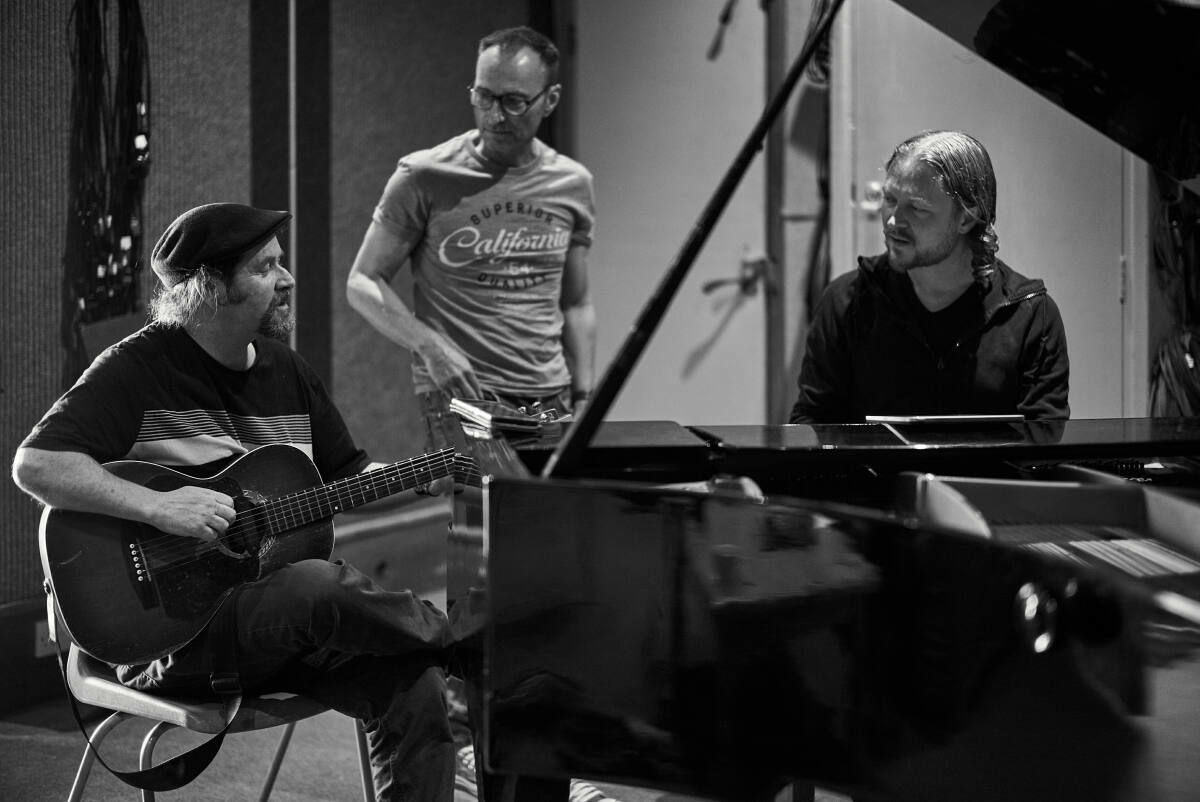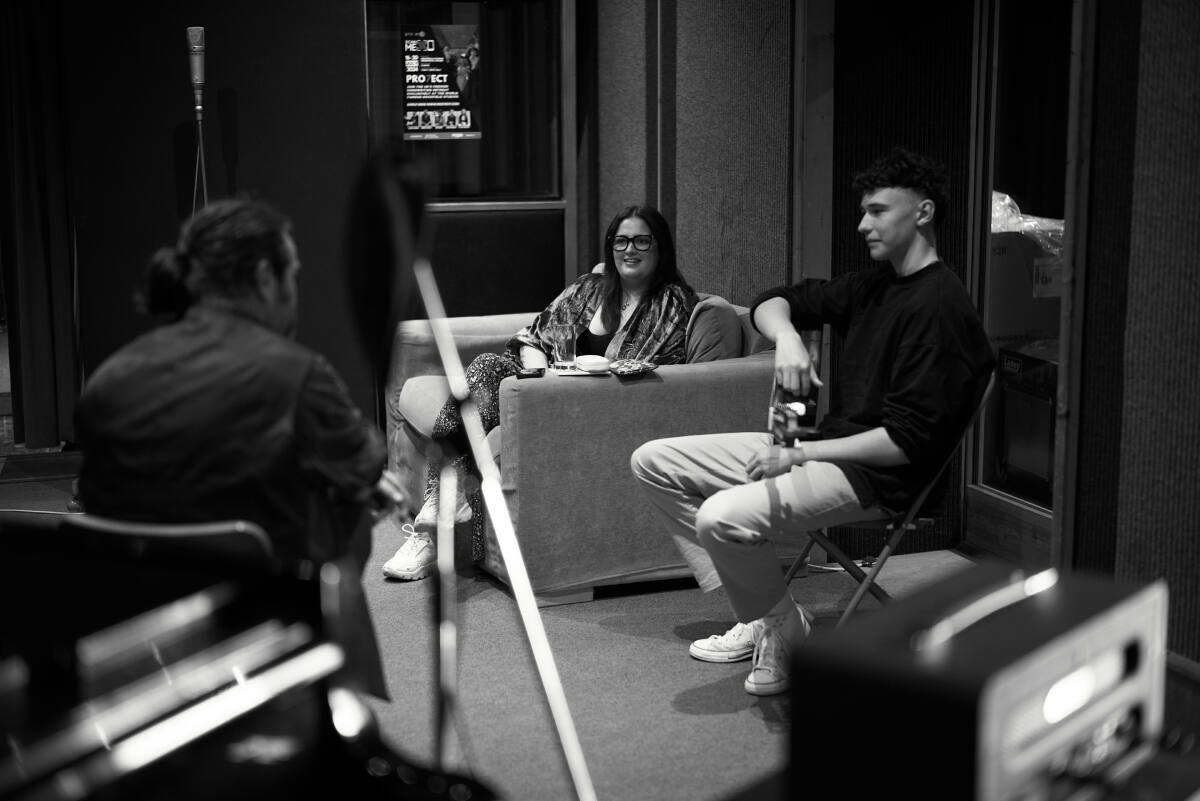



Songwriting is deeply personal, but when you're thrown into a room with other writers, artists, and producers you’ve never met before, suddenly, it’s not just about your ideas. It’s about bouncing off others, finding common ground, and, ideally, creating something magical. No pressure, right? In this month’s Session Notes blog, Pro7ect creative director Lisa Fitz shares some essential survival strategies to help navigate the wild and wonderful world of collaborative songwriting.
For many songwriters, co-lab songwriting sessions can be nerve-wracking. You’re expected to deliver, but the truth is, collaboration isn’t just about talent, it’s about knowing how to navigate the process. After years of writing solo and in teams, I’ve learned that preparation is key, and having a few solid strategies under your belt can turn even the most daunting session into a productive and enjoyable experience.
So, if you ever find yourself in a co-writing session wondering where to start, here are seven essential strategies to help you make the most of it.
1. Do your homework
If you know who you’re writing with, or who you’re writing for, do some research. Listen to their music, understand their style, and get a feel for their artistic identity. If you’re writing for a Featured Artist, check out their vocal range, lyrical themes, and sonic world. Having some context going in can help you suggest ideas that are aligned with their sound.
2. Back yourself & be yourself
Some of the best and longest-lasting songwriting teams are built on real connections. You don’t have to be the loudest or most dominant person in the room, just be you. If you have an idea, don’t be afraid to share it. If you’re naturally more reserved, let your contributions speak for themselves. Being authentic in the room will not only make the experience more enjoyable but also benefit the songs you create.
3. Clarify the splits before you start
Money talk might feel awkward but trust me, sorting out songwriting splits at the start is a game-changer. At Pro7ect Songwriting Retreats we keep it simple: everyone in the room gets an equal cut, and split sheets are signed daily. This removes any potential tension so that you can focus on making music rather than worrying about who gets what at the end of the session. If splits aren’t discussed upfront, don’t be afraid to bring it up, it’s standard practice and saves a lot of headaches later.